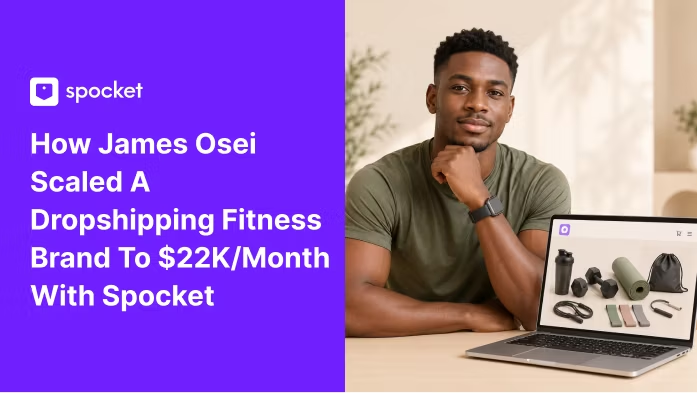
How James Osei Scaled a Dropshipping Fitness Brand to $22K/Month with Spocket
James Osei almost shut down his fitness store after a resistance band snapped on a customer. Spocket fixed his supplier problem. Now he does $22k/month. Learn how.
$22.7K Peak monthly revenue | 120+ Active products | 9 Countries served
27% Repeat customer rate | 4.5 days Avg US shipping time | 0 Product liability complaints post-Spocket
"My followers trust me to recommend things that actually work. Selling cheap gear that breaks isn't just a bad business decision — it feels like a betrayal. I needed suppliers I could personally vouch for."
— James Osei, Founder, IronForm
James Osei was making decent money as a personal trainer in Atlanta. Not great money. Decent. He had about 11,000 followers on Instagram, mostly local clients and people who liked his workout tips. The ceiling was obvious. There are only so many hours in a day, and he was already booked solid.
So he started selling fitness gear online. Resistance bands, yoga mats, workout accessories. Sourced everything from overseas. Cheap prices, fat margins on paper. He figured his audience already trusted him, so selling products would be the easy part.
Then a customer posted a video of one of his resistance bands snapping mid-workout. 38 days to ship. Broke on first use. The review went semi-viral in his comments. His stomach dropped. This was a guy who tells people how to train safely for a living, and here he was selling gear that could hurt someone. He almost shut the whole store down that week.
A fitness expert who couldn't trust his own products
The band thing wasn't just embarrassing, but it was a trust problem. James's whole brand was built on his reputation as someone who actually knows fitness. His followers came to him for advice on form, on recovery, on which exercises to do and which to skip. They took his word seriously.
Selling them junk that breaks? That's not a refund issue, but it is the kind of thing that makes people unfollow and never come back.
He needed premium dropshipping suppliers who shipped fast, from the US ideally, with products he could actually put his hands on before listing them. He wanted stuff he'd use himself. Stuff he could film himself using and not worry about it falling apart on camera.
The overseas sourcing model couldn't give him any of that. No accountability. No way to verify quality batch to batch. He'd order a sample, it'd be fine. Then the next 50 units would be slightly different. Cheaper plastic. Thinner bands. No certifications, no consistency.
If you've ever compared Spocket vs AliExpress, this is the exact gap. One gives you access to vetted brands with real addresses. The other is a dice roll every time you reorder.
James was ready to walk away from the whole dropshipping thing. The angry review had shaken him. He told a friend he was done selling products online, that it wasn't worth the risk to his coaching brand.
How he found Spocket, and what he did first
A couple weeks later, James heard Marc Chapon mentioned on a podcast about scaling ecommerce without warehouses. He wasn't even looking for a new supplier at that point. But something about filtering specifically for US-based fitness suppliers caught his attention.
He signed up for Spocket that night. Free trial. No commitment.
The first thing he did was filter for US and EU fitness and wellness suppliers. What came up was night and day from what he was used to. Real product photos. Actual brand pages behind each listing. Suppliers based in the US selling resistance training accessories, a Canadian company doing workout recovery gear, and a German manufacturer making yoga equipment.
He ordered samples from all three. This became his rule going forward: nothing goes on IronForm's store until he's personally held it, tested it, and filmed it. All three sample orders showed up within a week.
He filmed himself doing a full workout with the resistance bands. Posted it on his Stories. That video became the first piece in what turned into a recurring series. "I test everything I sell" wasn't just a marketing copy. He actually did it. Every product. And because Spocket has no MOQs, he could order single samples without committing to bulk inventory he wasn't sure about yet.
The sample ordering was cheap enough that it made sense to test 10 or 15 products before settling on a catalog. He used branded invoicing so every package that went out had IronForm's name on it, not some random supplier label. Small detail. Big difference when you're building a fitness brand people recognize.
Key Spocket features that helped him out here: the US supplier filter, affordable sample ordering, branded invoices, Print-on-demand service, and automated fulfillment that let James keep training clients during the day while orders shipped in the background.
From Instagram trainer to ecommerce brand, in about 8 months

Here's how to scale a dropshipping store when you already have an audience: don't buy ads. Not yet. Use what you've got.
James spent months one through four with zero ad spend. Pure organic. He had 11K Instagram followers who already trusted his fitness advice. So he gave them fitness content that happened to feature his products. Workout demos with the resistance bands. Unboxing-style Stories showing new arrivals. Product testing videos where he'd put gear through a real session and give honest feedback.
This is what dropshipping with Instagram audience looks like when it's done right. You don't hard-sell. You just show people stuff that's actually good while doing the thing they already follow you for.
His smartest move was product bundling. He put together a "Home Gym Starter Pack" with bands, a mat, and a few accessories. Single product orders averaged about $31. The bundles averaged $74. More than double. And customers loved the convenience of getting a curated kit from someone who actually trains.
You can use Spocket's profit margin calculator to figure out pricing on bundles like this. James played with his margins a lot in the early months until he found a sweet spot that worked for both one-off buyers and bundle customers.
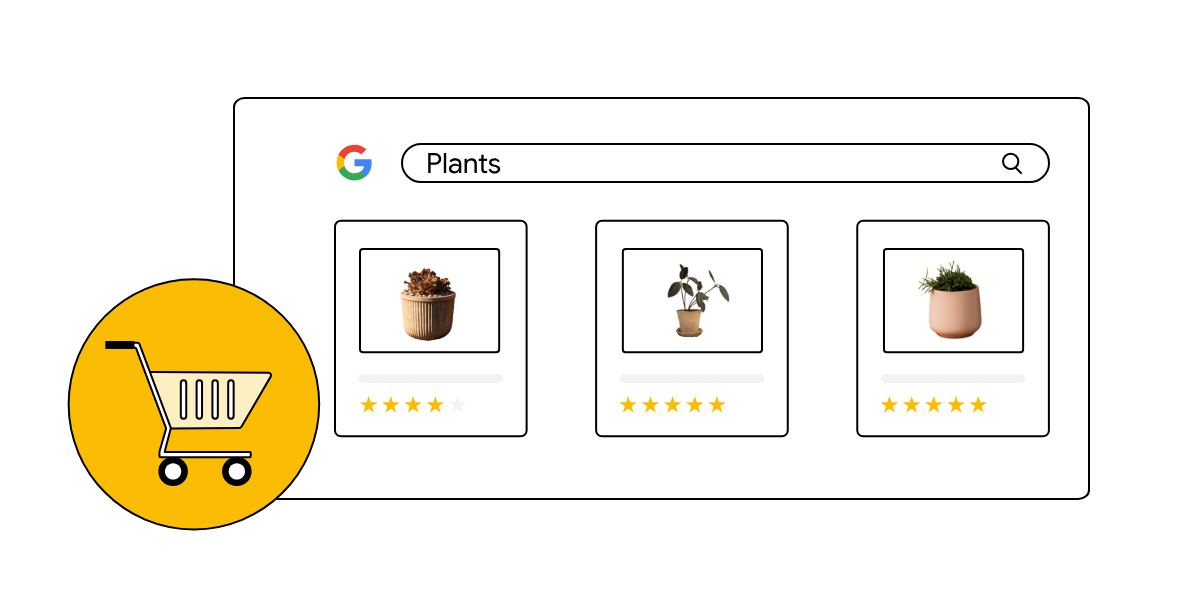
Phase two started around month four. He turned on Google Shopping ads pointing at specific collections. Didn't go broad. Targeted people searching for home gym equipment and fitness accessories. The return on ad spend was solid because his product pages already had real photos, real videos of him using the gear, and fast US shipping times baked in.
Month seven he crossed $12K in monthly revenue. Month eleven, during the New Year resolution rush, he hit $22.7K. January is a different animal for fitness dropshipping. Everyone's buying gear, setting up home gyms, making promises to themselves. James was ready for it because Spocket's real-time inventory sync meant he could run ads without manually checking stock levels. Stuff sold, it shipped, he didn't have to babysit anything. That's what dropshipping without inventory management actually looks like in practice.
If you're wondering how to scale a dropshipping store from $0 to nearly $40K/month, the answer isn't one magic tactic. It's layering things. Audience first, then organic content, then paid ads on top of a foundation that already converts. And having a supply chain that doesn't fall apart when volume spikes.
Spocket integrates with Wix, WooCommerce, eBay, and BigCommerce, but James ran his store on Shopify. One-click product imports. Everything synced automatically.
Running a $22K/month business while still training clients
Here's the part that surprises people. James still trains clients. In person. Most days.
His ecommerce team is him and one part-time customer service contractor. That's it. He kept things lean on purpose. The Spocket dashboard is basically his operations hub. Full order visibility, fulfillment tracking, supplier communication, all in one place. No separate 3PL. No logistics software. He checks it in the evening after his last training session, and by then, every order from that day has already been processed, fulfilled, and the customer's been notified.
Email automation handles the rest. Welcome flow for new customers, post-purchase follow-up, and a 30-day re-engagement sequence. All running in Klaviyo. James writes the emails himself, same voice as his Instagram. Casual, direct, like a trainer checking in on you.
Something he didn't expect: small gym owners started buying in bulk. They'd order 15 or 20 sets of bands at a time for their facilities. James set up a wholesale page and it's turned into a real B2B channel. Nothing huge yet, but it's growing. With Spocket's pricing structure, the margins still work even at bulk rates because there are no transaction fees on orders.
The whole operation is proof that you can build a six figure dropshipping business without quitting your day job. At least not right away. James might go full-time on IronForm eventually, but for now, training clients in the morning and running ecommerce at night works. Spocket's automation is the reason that's even possible.
People always ask how to scale a dropshipping store without hiring a big team. James is the answer. Keep your product catalog tight, pick suppliers you actually trust, automate everything you can, and spend your time on the stuff that only you can do. For James, that's content and customer relationships.
Anyone looking at fitness dropshipping as a niche should know: it's competitive, but the demand is real and it's not going anywhere. The fitness market is enormous, and people are still buying home gym equipment at a pace that would've seemed crazy five years ago. James figured out how to scale a dropshipping store by leaning into what he already had, an audience that trusted him, and pairing it with suppliers who didn't let him down.
Want to be like James or do even better? You can be the next success story. Stop worrying about supplier quality. Spocket connects you with pre-vetted US and EU brands so you can focus on growing. Start your free trial today.