Best Leather Alternatives to Dropship in 2026
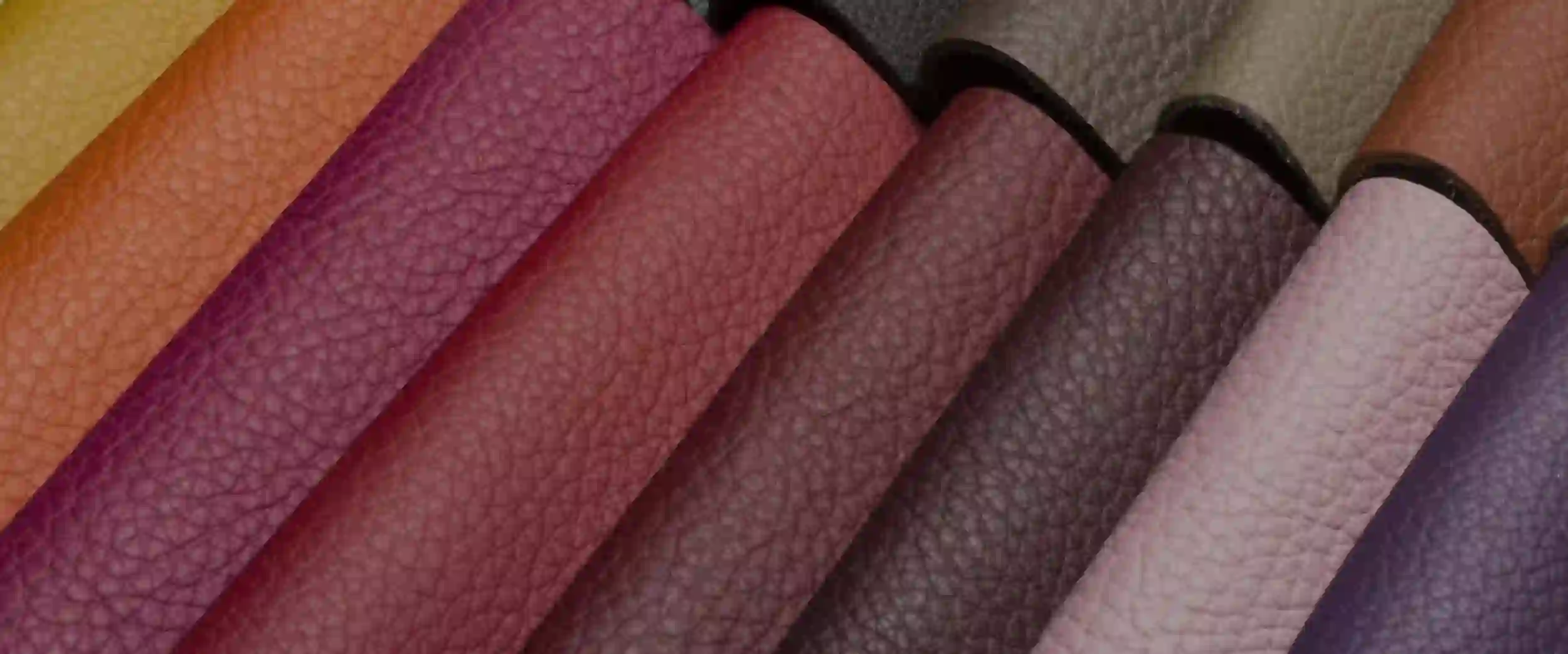
Thinking of doing your part of making the world a greener and friendlier place? Check out these leather alternatives to dropship and join the sustainability movement!

You're leaving money on the table if you're dropshipping animal leather right now. Here's what you need to know. Eco-conscious shoppers are hunting for sustainable bags, wallets, and accessories, and they're searching specifically for leather alternatives.
Plant-based materials have gotten so good that even luxury brands are switching over. You can offer products that look premium, feel great, and come with a story customers actually want to pay for.
Start sourcing leather alternatives for your store today before your competitors figure it out. We’ll tell you how and what to look for below.
How are Brands Turning to Leather Alternatives for Dropshipping?
Brands are moving away from animal leather because customers don't want the environmental baggage anymore. The old way of sourcing hides is expensive, messy, and honestly bad for marketing. You can find suppliers now who specialize entirely in plant-based materials.
Pineapple Waste Becomes Fashion
Companies take pineapple leaves that farmers would burn and turn them into a material called Piñatex. It's lightweight, breathable, and looks like suede. You'll find it in handbags, shoes, and even car seats. The production uses zero extra land or water since the leaves are already there. If you need a product that feels unique and tells a story, pineapple-based leather alternatives work great.
Mushroom Roots Replace Hides
Mycelium grows fast on agricultural waste like sawdust, and within weeks you have a dense, leather-like sheet. Luxury brands like Hermès and Stella McCartney have experimented with this stuff. The material is soft, supple, and can be molded into almost any shape. For dropshipping wallets and phone cases, mushroom leather alternatives offer something genuinely new that customers get excited about.
Fruit Waste Gets Upcycled
Italian wineries throw away tons of grape skins, seeds, and stems every year. Vegea turns that waste into GrapeSkin, a material that looks and feels like real leather. Apple waste gets the same treatment, with companies making AppleSkin from juice industry leftovers. These leather alternatives turn trash into treasure, and customers love knowing their purchase helped reduce food waste.
Benefits of Leather Alternatives for Dropshipping
Selling leather alternatives gives you a competitive edge and higher margins. Here's why smart dropshippers are making the switch.
- You can charge premium prices because customers pay extra for sustainable goods. People want to feel good about what they buy, and plant-based materials give them that warm fuzzy feeling. Your profit margins can hit 60% or more on vegan leather handbags.
- Shipping costs go down since many leather alternatives weigh less than animal hides. Lighter products mean cheaper fulfillment fees and faster delivery times. Your customers get their orders sooner, which means better reviews and fewer complaints.
- You avoid the ethical baggage that comes with animal leather production. No one asks where your materials came from in a negative way. Instead, customers share your products on social media because they're proud of buying sustainable.
- The market for bio-based leather alternatives is growing at nearly 14% annually and hit $179.8 million in 2026. You're getting in early on a trend that's only going up. Competitors still selling traditional leather will eventually have to catch up to you.
- Product returns drop because plant-based materials often feel softer and more comfortable against the skin. Shoes and bags made from leather alternatives don't have the stiff break-in period of cowhide. Customers keep what they like, and they like comfort.
- You can market the origin story of each material, like pineapple waste from the Philippines or grape skins from Italian vineyards. Every product becomes a conversation starter. Your brand looks thoughtful and intentional instead of just another generic store.
- Many leather alternatives are partially or fully biodegradable at end of life. You can make genuine sustainability claims that resonate with Gen Z and millennial shoppers. Those claims help you stand out in crowded marketplaces.
8 Best Leather Alternatives to Dropship in 2026
We're covering eight of the best leather alternatives you can start sourcing right now. Each one works for different products and price points. Pick the ones that fit your store's vibe.
1. Piñatex (Pineapple Leather)
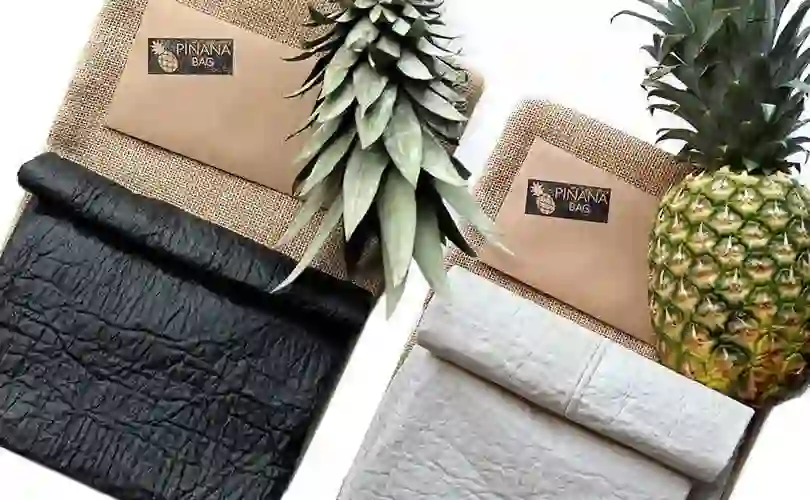
If you want a material with serious street cred, start here. Piñatex comes from pineapple leaf fibers that farmers in the Philippines would otherwise burn or compost. Dr. Carmen Hijosa developed this stuff after seeing the environmental damage from traditional leather production, and now brands like Hugo Boss and H&M use it in their collections. The material has a natural grain that looks like suede or textured leather, but it's breathable and flexible in ways cowhide isn't.
You can dye it in almost any color, making it perfect for handbags, shoes, and even upholstery if you're feeling ambitious. Some versions use PLA backing while others use recycled polyester, so check with your supplier about what you're actually getting.
Key Features
- Tensile strength runs between 8 to 12 MPa, which means it holds up well for everyday bags and wallets. You won't get returns from customers complaining about rips or tears. That durability keeps your profit margins healthy.
- The material passes OEKO-TEX certification for safety, so you can market it as non-toxic and skin-friendly. Customers with sensitive skin or allergies will appreciate knowing this. It's a small detail that builds trust.
- Production uses zero additional water or pesticides since the pineapple leaves are agricultural waste anyway. Your carbon footprint claims have real data behind them, not just marketing fluff. Serious eco-shoppers will fact-check you, so be accurate.
- Piñatex can handle about 15,000 flex cycles before showing wear, which beats many synthetic options. That means wallets and bags last longer, and longer-lasting products mean happier customers. Happy customers leave five-star reviews.
- The material comes in different grades depending on the coating used, from original with 72% pineapple fiber to softer versions for accessories. You can pick the right grade for each product in your catalog. One supplier might work for bags while another works for shoes.
2. Desserto (Cactus Leather)
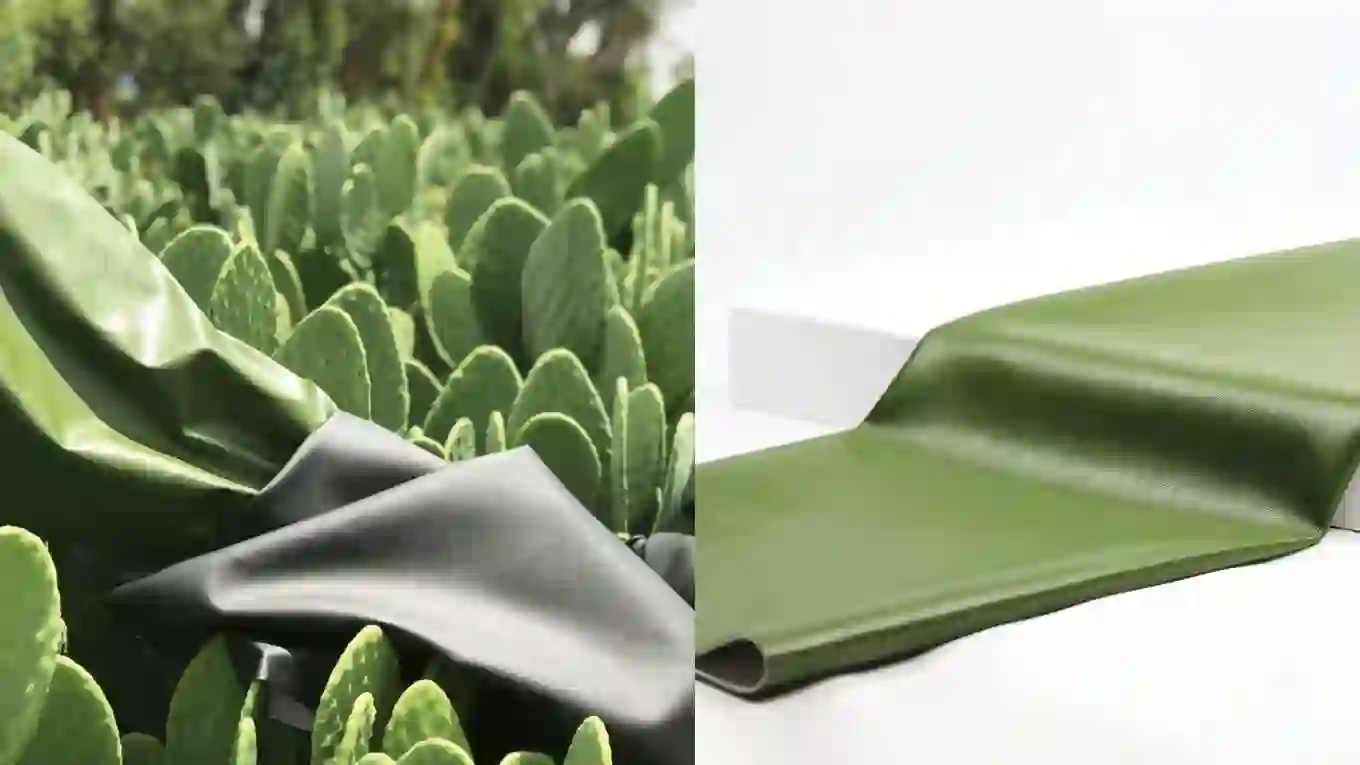
Mexican entrepreneurs Adrián López Velarde and Marte Cázarez figured out how to turn nopal cactus leaves into a material that feels buttery and looks expensive. The cool part is they only harvest mature leaves, and the cactus regenerates without any damage to the plant. Desserto made headlines when OtterBox used it for a CES 2026 award-winning phone case collection, proving this stuff works for tech accessories too. The material has natural UV resistance, so it won't fade or crack if left in the sun like some cheaper vegan leathers.
You can use it for bags, jackets, watch straps, and even car interiors if you're working with bigger clients. The cultivation process actually sequesters carbon and improves soil health, which is a marketing gift you should absolutely use.
Key Features
- Cactus plants need barely any water to grow, just whatever rain falls naturally in arid regions. You're not draining aquifers or irrigating deserts to make your products. That's a genuine environmental win you can shout from the rooftops.
- Desserto uses a bio-based PU coating derived from non-GMO corn instead of fossil fuels. The plastic content is lower than standard vegan leathers, which matters to customers who've done their research. You can explain this difference honestly in your product descriptions.
- The material stays flexible in both hot and humid climates without getting sticky or degrading. Phone cases and watch bands won't turn into a mess when customers sweat or travel somewhere tropical. Real-world performance beats lab specs every time.
- Up to 55% of Desserto is biodegradable under industrial composting conditions. You're not selling something that will sit in a landfill for 500 years. That end-of-life story matters more to customers than you might think.
- Big names like Balenciaga, Givenchy, and Hublot have all worked with Desserto on products. You can name-drop these brands in your marketing (carefully) to build trust. If it's good enough for luxury houses, it's good enough for your customers.
3. Mylo (Mushroom Mycelium)

Here's where things get sci-fi in the best way. Mylo comes from mycelium, the underground root network that fungi use to communicate and absorb nutrients. Bolt Threads grew this stuff on sawdust and agricultural waste in vertical farms, and within weeks you have a leather-like sheet. Now, real talk, Bolt Threads paused Mylo production in 2024 because they couldn't secure enough investment to scale up. But other mycelium materials like Reishi from MycoWorks are still going strong and getting adopted by luxury brands.
For dropshipping, you want to look for suppliers offering mycelium-based leather alternatives from companies still in active production. The material mimics real hide grain and softness better than almost anything else on the market.
Key Features
- Mycelium grows in just a few weeks compared to the years it takes to raise cattle. Your supply chain moves faster and responds to demand more flexibly. If a product takes off, you can theoretically restock sooner.
- The material is grown on agricultural waste like sawdust and hemp, so it's not competing with food crops for land. No one is clearing rainforests to grow mushrooms for your wallets. That's a clean conscience for you and your customers.
- Mycelium leather alternatives can be tanned with eco-friendly agents instead of toxic chromium. The production process skips most of the nasty chemicals associated with traditional leather. Your factory workers and the downstream environment both win.
- The material feels soft and supple right away with no break-in period. Customers who buy mycelium phone cases or wallets won't complain about stiffness or discomfort. First impressions matter, and mycelium makes a great one.
- Reishi and similar mycelium products are designed to decompose naturally at end of life. No microplastics, no landfill forever, just material returning to the earth. That circular economy story sells itself to the right audience.
4. Vegea GrapeSkin (Grape Leather)
Italy throws away millions of tons of grape skins, seeds, and stems every year after wine production. Vegea figured out how to take that waste and turn it into a material that mimics real leather in look, feel, and durability.
The company just expanded its production capacity in 2026 because demand is exploding for leather alternatives made from upcycled food waste. GrapeSkin is about 55% grape waste mixed with vegetable oils, natural fibers, and a water-based PU coating on recycled polyester or cotton backing. You can use it for handbags, shoes, belts, phone cases, even car interiors. Italian wine country aesthetics sell themselves if you photograph your products right.
Key Features
- Vegea uses by-products from the wine industry that would otherwise get thrown away or composted. You're literally turning someone else's trash into your product inventory. That story gets shares on Instagram and TikTok every single time.
- The material can be produced at larger scale now after Vegea's 2026 production expansion. You're not dealing with limited-edition scarcity or unreliable supply chains. Order what you need when you need it.
- GrapeSkin maintains the same quality and bio-based composition whether you order a small batch or a massive roll. Consistency matters when you're building a brand people trust. No surprises from batch to batch means no unhappy customers.
- Italian biomaterials have built-in cachet with fashion-conscious shoppers. You can lean into the "made with Italian innovation" angle without stretching the truth. Geography sells, so use it.
- The material works for fashion accessories, shoes, interiors, and automotive applications. You can build an entire product line around one supplier instead of chasing multiple sources. Simpler operations mean fewer headaches for you.
5. Apple Leather (AppleSkin)
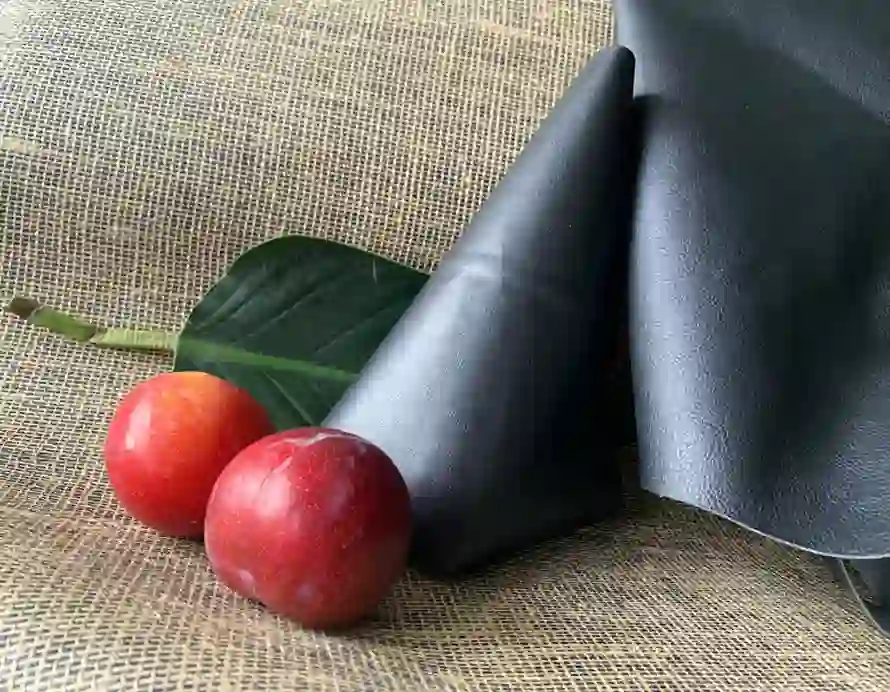
Apple leather starts as apple pomace, the leftover pulp, peels, and cores from juice and compote production. Instead of letting that stuff rot in a landfill, companies dry it, grind it into powder, and combine it with a polymer base to create a flexible sheet. The Danish SME behind one popular version makes a material that's about 91% bio-based and vegan-certified, delivered on big rolls for efficient cutting.
Apple leather feels soft and luxurious, which is why brands use it for handbags, shoes, jackets, and cosmetic bags. The catch is that most apple leather is only 20% to 50% apple fiber, with the rest being plastic binders. You should be honest about this in your product descriptions so customers know what they're getting.
Key Features
- Apple leather uses waste from the fruit juice industry that would otherwise go to landfills or low-value composting. You're participating in a circular economy whether you mention it or not. Mention it, obviously.
- The material comes on consistent 1.5 meter rolls with standard thickness around 1.1 millimeters. Your manufacturing cuts will be predictable and efficient, which keeps your costs down. No weird hide shapes to work around means less waste.
- Apple leather feels soft to the touch right away, no break-in period needed. Customers opening your packaging will immediately notice the premium texture. First impressions drive repeat purchases.
- Some apple leather variants are now being expanded into LemonSkin from citrus waste and BarleySkin from brewer's grains. You can expand your product line into new fruit-based materials as they become available. More options mean more products to sell.
- Apple leather holds dye beautifully and comes in dozens of colors and finishes. You're not limited to basic browns and blacks like with some plant-based materials. Build a colorful catalog that stands out on any marketplace.
6. Cork Leather
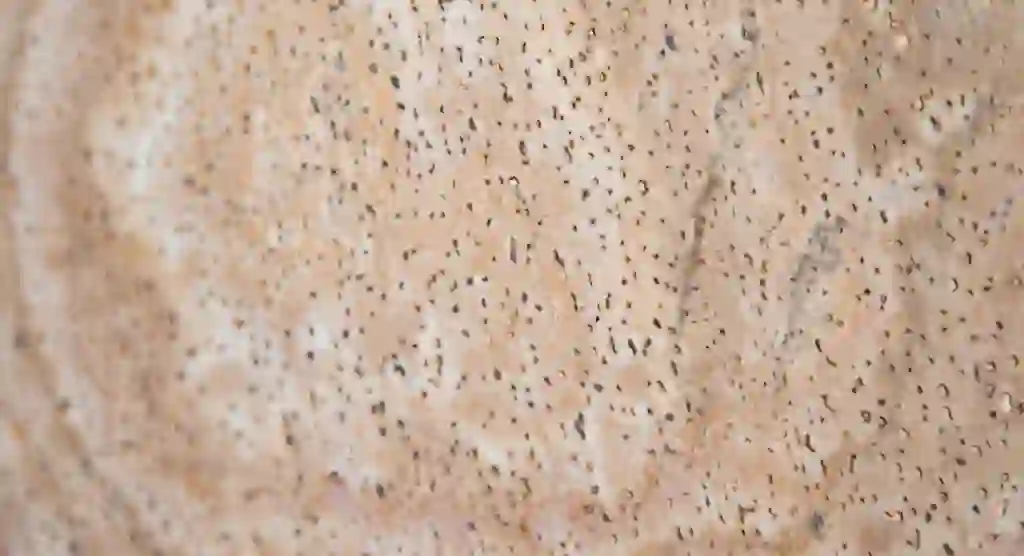
Cork comes from the bark of cork oak trees, mostly in Portugal and Spain, and here's the magic part: harvesting the bark doesn't hurt the tree at all. The bark regenerates completely every nine years, and the tree actually absorbs more carbon dioxide while it regrows. Cork has natural antibacterial and antimicrobial properties, which makes it perfect for wallets, phone cases, and anything that touches human hands all day.
The material is lightweight, water-resistant, and surprisingly durable for something that comes from tree bark. Manufacturers bond thin cork veneers to organic cotton or recycled PET backings to create sturdy sheets. You can emboss, print, or laser-etch cork easily, so customization options are wide open.
Key Features
- Cork oak forests in the Mediterranean support one of the most biodiverse ecosystems in Europe. Your supply chain is literally helping preserve habitats for endangered species. That's a conservation story customers will remember.
- The bark regenerates on a nine-year cycle, so harvesting is truly renewable and sustainable long-term. You're not depleting anything or waiting decades for new growth. The supply keeps flowing as long as the forests stand.
- Cork is naturally antimicrobial and resistant to mold, mildew, and moisture. Phone cases and wallets won't get funky even after months of sweaty pocket use. Customers notice this kind of practical benefit.
- The material weighs less than animal leather and most synthetic alternatives. Lighter products mean cheaper international shipping and happier customers. Lower shipping costs can be the difference between a sale and an abandoned cart.
- Cork takes engraving, embossing, and printing better than many leather alternatives. You can offer personalized products with names or initials without expensive tooling. Personalization is a high-margin upsell you should absolutely add.
7. Kombucha Leather
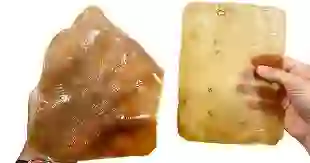
Kombucha leather is weird in the best possible way. SCOBY is the gelatinous mat that forms on top of fermenting kombucha tea, and those cellulose fibers can be dried and treated into a leather-like material. It's not commercially available at massive scale yet, but small producers and DIY makers have been experimenting with it for years. The material is fully biodegradable and can be grown in a matter of weeks using just tea, sugar, water, and a starter culture. For dropshipping, you'll want to find niche suppliers who have figured out the production process, because the quality varies a lot right now. The texture is unique and the sustainability claims are legitimately strong.
Key Features
- Kombucha leather can be grown at room temperature with minimal equipment and energy inputs. The carbon footprint is tiny compared to traditional leather or even other plant-based options. You can make genuinely low-impact claims without exaggerating.
- The material is fully biodegradable and compostable at end of life, no plastic backing or synthetic coatings to worry about. Customers who want zero-waste products will seek you out specifically. That's a targeted audience you can market to directly.
- Each batch has slight variations in color, texture, and thickness, which gives products an artisanal handmade feel. Mass-produced uniformity isn't always better. Some customers will pay extra for that one-of-a-kind look.
- SCOBY grows quickly, often reaching usable thickness in two to three weeks. Your supply chain can respond fast to demand spikes. If a product goes viral, you can theoretically ramp up production faster than competitors.
- The material can be dyed with natural plant-based dyes for full eco-credibility. No toxic chemicals anywhere in the production chain. That's about as clean as a material gets in 2026.
8. Alt. Leather (Agricultural Waste Blend)

Australian startup Alt. Leather figured out how to make a 100% bio-based, plastic-free material from agricultural waste and natural fibers. No petroleum, no polyurethane, no PVC, just plants and science working together. The material mimics traditional leather's look and feel so well that early customers couldn't tell the difference in blind tests.
You can get it in various textures and an expanding range of colors as the company scales up production. The best part is the production uses zero water and zero animal products, and the whole thing is plastic-free. For dropshippers targeting hardcore eco-conscious consumers, this is your holy grail material.
Key Features
- Alt. Leather uses zero water in production and zero petroleum-based plastics anywhere in the material. No hidden environmental costs to apologize for later. Your sustainability claims are ironclad with this one.
- The material meets or exceeds traditional leather on durability tests while weighing less. You're not sacrificing quality for sustainability, which is the sweet spot every dropshipper wants. Better product, better story, better margins.
- Australian innovation has marketing cachet with certain customer demographics. You can lean into the "developed in Melbourne" angle for brand storytelling. Geography matters less than the story you tell around it.
- The company continues expanding its color range and texture options throughout 2026. Your catalog can grow without finding new suppliers. One reliable source for multiple products simplifies your entire operation.
- Plastic-free leather alternatives are still rare in 2026, so you'll stand out immediately in search results. Customers actively searching for plastic-free options will find you first. Being first to market in a niche is a massive advantage. They’re also a part of sustainable dropshipping fashion.
Conclusion
Leather is going to be a mainstay for many brands, but if you’re new and start to feel the pressure, you might want to switch to leather alternatives to dropship. It’s not only good for the planet but good for consumers’ wallets. Which means there are plenty of opportunities to sell as long as you are open-minded and willing to switch paces. It’s the next new fashion trend, literally!
If you’re thinking of dropshipping products that use these leather alternatives above, check out Spocket.
Start your dropshipping business today
Leather Alternatives to Dropship FAQs
What are the most sustainable leather alternatives for dropshipping in 2026?
The most sustainable options include Piñatex from pineapple leaf waste, Desserto cactus leather, and mycelium-based materials like Reishi. Each one uses agricultural by-products or rapidly renewable resources instead of animal hides. Check each supplier's specific environmental claims, because some leather alternatives still use plastic backings that affect biodegradability.
Are leather alternatives durable enough for everyday products like bags and wallets?
Yes, most plant-based leather alternatives match or exceed the durability of traditional leather for everyday use. Piñatex handles about 15,000 flex cycles before showing wear. Cactus leather resists UV damage and stays flexible in different climates. You should still test samples yourself before committing to large orders.
Can I find reliable dropshipping suppliers for plant-based leather products?
Yes, suppliers on marketplaces like Alibaba and dedicated platforms offer vegan leather handbags, wallets, phone cases, and accessories. Look for suppliers with verified certifications and request product samples first. The demand for leather alternatives has grown so much that finding suppliers is easier than ever in 2026.
How much profit margin can I expect selling leather alternative products?
Gross margins on vegan leather accessories typically range from 58% to 67% based on current market data. A crossbody bag costing $25 to $35 wholesale often retails for $80 to $120. Your actual margins depend on shipping costs, marketing spend, and return rates. Leather alternatives command premium prices because customers value the sustainability story.


Launch your dropshipping business now!
Start free trial.avif)


Related blogs
Dropshipping Supplier Directory: Where to Find Vetted Suppliers
Browse our directory of vetted dropshipping suppliers across the US and EU, complete with niches, shipping speed, and pricing. Start your free trial today.


How to Negotiate With Dropshipping Suppliers: 9 Tactics That Actually Work
Learn how to negotiate with dropshipping suppliers on price, MOQs, and payment terms. Proven tactics and email scripts to boost your margins. Try Spocket free.

Best Clothing Dropshipping Suppliers: The 2026 Guide
Compare the best clothing dropshipping suppliers for 2026 — US/EU shipping speeds, pricing, and product quality — and find the right fit to launch your store.