


Biodegradable Packaging Sourcing Guide
Check out our guide to biodegradable packaging sourcing. We cover biodegradable packaging suppliers, sourcing tips, and so much more!

Listen up if you care about where your trash ends up. Most packaging sticks around for centuries, but you don't need me to tell you that's a problem. Here's the deal: biodegradable packaging exists, it works, and sourcing it isn't as hard as you think. You can protect your products and the planet without breaking the bank or pulling your hair out. Keep reading and you will walk away knowing exactly what to buy, who to buy from, and how to spot the good stuff from the greenwashing garbage.
What is Biodegradable Packaging?
Biodegradable packaging breaks down naturally with help from bacteria, fungi, or other living organisms. You will find materials like paper, cardboard, hemp, bio-plastics, natural fabric, molded pulp, microbial sources, and renewable agricultural feedstocks all falling under this umbrella. The key difference from standard plastic? It doesn't hang around for hundreds of years messing up ecosystems.
The timeline matters though. Some materials break down in weeks inside a compost facility, while others might take years in a landfill with no oxygen or light. You cannot just toss anything labeled "biodegradable" into your backyard pile and expect magic. Look for terms like compostable biodegradable products and check certifications before you buy. Natural biodegradable packaging materials like starch-based bioplastics, sugarcane fibers, and bamboo fibers are your safest bets for actual decomposition.
What is the Manufacturing Process for Biodegradable Packaging
The process starts with raw renewable materials instead of fossil fuels. Manufacturers turn plants into packaging. And when you're ready to sell products that use these materials, Spocket can help you connect with suppliers offering eco-friendly options.
Raw Material Sourcing and Preparation
Companies pull from renewable agricultural feedstocks like corn, sugarcane, bamboo, or even seaweed to replace plastic. They grind these materials into powders or fibers. Some use agricultural waste like wheat straw or rice husks, which solves two problems at once. You get packaging that disappears and less farm waste burning in open fields.
Extrusion, Molding, and Thermoforming
The prepared material gets heated and pushed through machines. Blown film extrusion makes thin sheets for bags and wrappers. Injection molding creates rigid containers, cutlery, and trays. Thermoforming heats sheets and vacuums them into specific shapes like clamshells or cup lids. European research projects in 2026 are still optimizing these techniques for better performance.
Coating and Finishing
Some biodegradable packaging needs coatings to block moisture or grease. Without coatings, your takeout box becomes a sad, soggy mess. Manufacturers apply water-based or bio-based barrier layers. Michelman and others have developed BPI-certified compostable coatings that keep food fresh without ruining the planet. The coated material then gets cut, folded, and shipped to you.
Types of Biodegradable Packaging Technologies
You got options. Here is what is actually available in 2026. And if you're looking to sell these packaging solutions or products that use them, check out trending dropshipping products to see what's popular right now.
- Starch-based bioplastics (PLA): Made from corn, potato, or tapioca starch. PLA looks and feels like regular plastic but breaks down in industrial compost facilities. You will find it in cups, containers, and clear bags. It is not great for hot liquids unless blended with other materials.
- Sugarcane fiber (bagasse): This is the leftover pulp after crushing sugarcane stalks. It makes sturdy plates, bowls, and clamshells that handle hot and greasy foods. Sugarcane fibers are microwave-safe and break down in about 60 days in compost. Plus you are using waste that would otherwise get burned.
- Molded pulp and paper: Think egg cartons and takeout trays. Made from recycled paper, cardboard, or papyrus. This tech has been around forever but keeps getting better. New coatings in 2026 make molded pulp actually leak-proof for soups and saucy foods.
- Seaweed-based materials: Companies use seaweed to replace plastic liners in cardboard and create edible bubbles for drinks. Seaweed grows fast, needs no freshwater or fertilizer, and pulls carbon from the ocean. The EU gave Notpla €4 million in 2026 to scale seaweed coffee cups.
- Polyhydroxyalkanoates (PHA): Made by bacteria feeding on plant oils or sugars. PHA breaks down in soil and marine environments, not just industrial compost. It is more expensive than PLA but works for flexible films and straws. You will see more PHA products hitting shelves in 2026.
- Mushroom mycelium: Grown by feeding agricultural waste to mushroom roots. The mycelium binds the waste into custom shapes like protective corners or blocks. It is completely home-compostable and uses minimal energy to produce. Great for shipping fragile items.
- Protein-based films: Made from milk casein, gelatin, or plant proteins. These create edible and biodegradable packaging for things like individual cheese portions or instant noodle seasoning packets. Still emerging but promising for reducing single-use waste.
Why Go for Biodegradable Packaging Materials?
Here is why smart business owners are making the switch in 2026. And if you're running an online store, embracing sustainable packaging solutions can align perfectly with eco-friendly dropshipping practices that attract the right customers.
- Customers actually want this stuff. Surveys show most shoppers prefer brands using sustainable packaging solutions. You will attract more buyers and charge higher prices. People feel good buying from you instead of guilty about the trash they create.
- Regulations are coming for your plastic. California, New York, and the EU keep banning single-use plastics. More bans hit in 2026 and 2027. If you wait until the last minute, you will pay premium prices for whatever packaging is left. Get ahead of the curve now.
- It protects your brand reputation. One viral video of plastic waste with your logo on it will destroy years of hard work. Using biodegradable food packaging shows you actually care. You avoid the greenwashing accusations that sink other businesses.
- You reduce your carbon footprint. Most biodegradable materials come from plants that absorbed CO2 while growing. Traditional plastics come from oil drilled out of the ground. Plant-based packaging typically has a much smaller carbon footprint from production to disposal.
- It supports circular agriculture. Compostable and biodegradable products manufacturers use waste from food production. Your packaging becomes fertilizer for the next round of crops. You close the loop instead of sending stuff to landfills or oceans.
- Employee morale gets a boost. Your team will feel proud working for a company that does not trash the planet. Good people want to work for good companies. This approach also makes your business more attractive if you're looking into dropshipping as a model, where you can source and ship sustainable items directly to customers.
- Insurance against future plastic taxes. Several countries are testing plastic packaging taxes based on weight or environmental impact. Biodegradable packaging could be exempt or taxed at lower rates. Why pay more when you do not have to?
How to Vet Biodegradable Packaging Suppliers?
Not everyone selling "green" packaging is telling the truth. Here is how you separate the real deal from the frauds. And keep in mind that product packaging trends for 2026 emphasize transparency and third-party verification, so you're on the right track.
- Check for third-party certifications first and only. Look for BPI, TÜV OK compost, DIN CERTCO, or Seedling logos. ASTM D6400 or EN 13432 standards mean the product actually breaks down. If a supplier cannot show these, walk away. Certifications are not optional.
- Ask to see test results from independent labs. Good suppliers pay for third-party testing. They will show you reports proving their stuff breaks down within specific timeframes. If they give you vague answers or marketing brochures instead of lab data, find someone else.
- Visit their facility or request a virtual tour. Real manufacturers will show you around. You will see their raw materials, production lines, and quality control. Middlemen reselling imported goods will make excuses. You want to buy direct from biodegradable packaging manufacturers in USA or other reputable regions.
- Order samples and test them yourself. Do not commit to thousands of dollars before touching the product. Put hot soup in their bowls. Freeze their containers. Ship their mailers across the country. See if the packaging actually survives real-world use in your specific business.
- Verify their raw material sources. Ask where their corn, sugarcane, or bamboo comes from. Is it grown on deforested land or existing farmland? Are farmers paid fair wages? Good suppliers know their supply chain. Bad ones will say "proprietary information" and hope you stop asking.
- Check their certification is still active for 2026. Certificates expire. A supplier might show you a document from 2022 that no longer applies. Visit BPI's website or DIN CERTCO's database to verify current status. Biodegradable packaging certifications need renewal, and you want active, not expired.
- Read customer reviews outside their website. Search Reddit, Trustpilot, and industry forums. Find other business owners who used their packaging. Ask about quality consistency, delivery times, and customer service. One bad batch of packaging can ruin your product launch.
Benefits of Sourcing Biodegradable Packaging
Making the switch gives you more than just warm fuzzy feelings. Here is what you actually gain. Plus, if you're sourcing these materials for products you sell, you can find eco-friendly products for dropshipping that complement your green packaging perfectly.
- Lower shipping costs from lighter materials. Biodegradable mailers and biodegradable packing weigh less than rigid plastic or glass. You will fit more in each box and pay less per shipment. Lightweight paper and cardboard cut your dimensional weight fees significantly.
- Better unboxing experiences for your customers. People love opening packages that look and feel intentional. Acid-free tissue paper, compostable mailers, and plant-based cushioning create memorable moments. Your customers will post videos of your packaging instead of throwing it straight in the trash.
- Less storage space needed for inventory. Many biodegradable packaging materials ship flat and fold easily. You will store three times more packaging in the same warehouse space compared to rigid containers. That means lower rent costs or room for actual products.
- No plastic film recycling headaches. Regular plastic mailers require separate recycling trips to specific drop-off locations. Most people just throw them away. Compostable and biodegradable products go in the regular trash or compost bin. You remove friction from your customer's disposal process.
- Tax incentives in some jurisdictions. Several US states and European countries offer tax credits for using certified biodegradable packaging. You will need to check local laws and keep your certification documents. Free money exists if you do the paperwork.
- Protection from greenwashing lawsuits. The FTC sues companies making false environmental claims. Using real certified materials with documented test results keeps you safe. Your competitors using vague "eco-friendly" labels are the ones who will get fined.
- Better supplier relationships for the long term. Top biodegradable packaging manufacturers want repeat customers. They will prioritize your orders, offer better pricing, and notify you about new products. Show loyalty and they will take care of you when supply gets tight.
Where to Source Biodegradable Packaging: 8 Best Biodegradable Packaging Manufacturers in 2026
Here are the best biodegradable packaging manufacturers in 2026. Be sure to check them out because they are also the top biodegradable packaging manufacturers worldwide currently:
1. Notpla

Remember the seaweed coffee cups you heard about? Notpla actually makes them, and they are scaling fast in 2026. This UK-based company won the Earthshot Prize and just received €4 million from the European Union to develop home-compostable coffee cups. They replace plastic liners in cardboard with a proprietary seaweed-based coating. The coating is plastic-free, PFAS-free, and breaks down naturally without leaving microplastics behind. You can use Notpla's seaweed to replace plastic in takeout containers, shipping boxes, and even edible liquid bubbles for condiments. Fast food chain Kwalitaria started using Notpla trays in 2026, eliminating 6.9 tonnes of plastic waste annually. The company is also rolling out packaging across Imperial College London's campus, proving their solutions work for high-volume food service.
Key Features
- Plastic-free and PFAS-free coating approved for hot food contact
- Home-compostable in your backyard, not just industrial facilities
- Seaweed grows without freshwater or fertilizer
- Full transparency on sourcing and manufacturing locations
- No microplastic pollution during decomposition
- Notpla products look and feel like traditional packaging
- Works for both food service and shipping applications
2. Better Packaging Co.
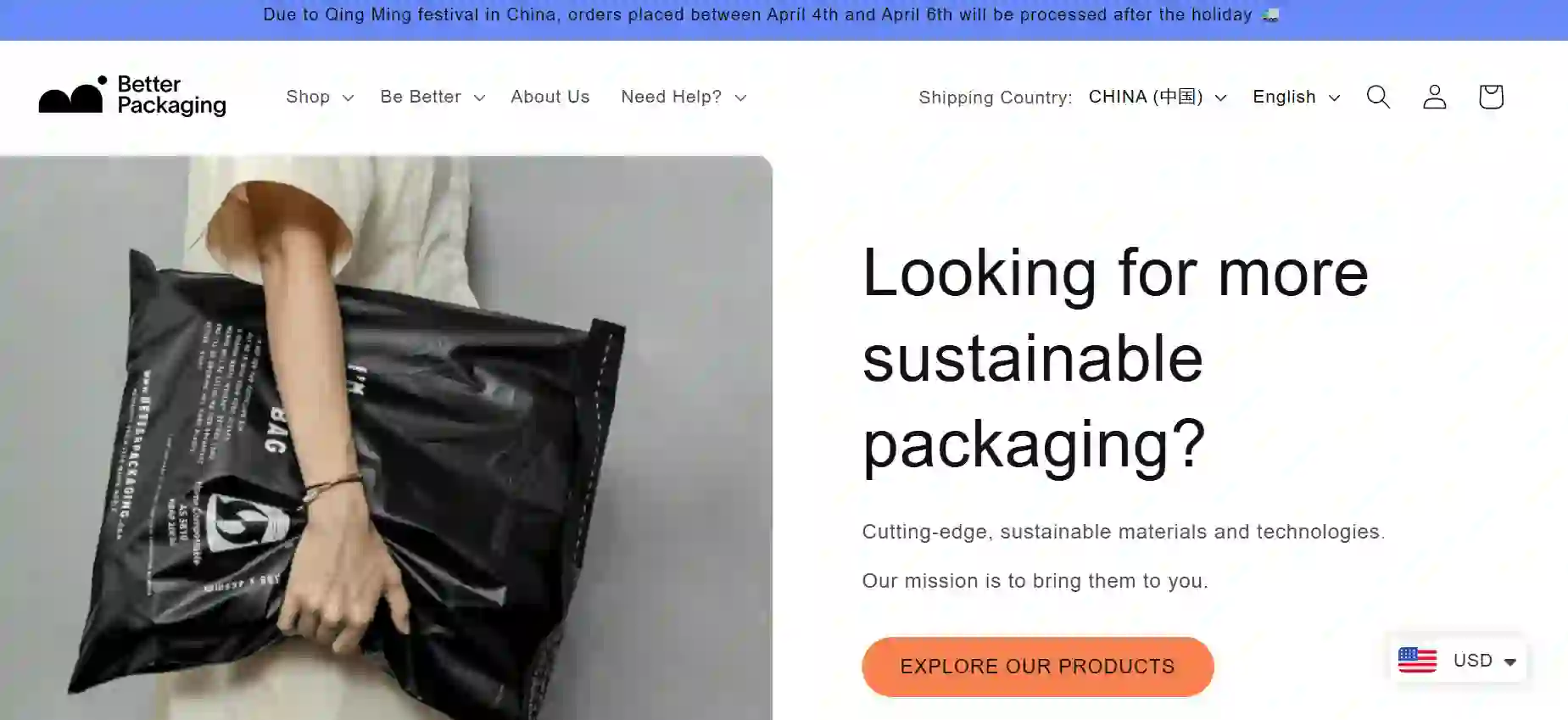
Better Packaging Co. started as a mission-driven B Corp and turned into a global leader for e-commerce packaging. They have sold over 60 million plant-based, compostable bags since launching in 2018. The company's comPOST Packs break down in less than 180 days into completely non-toxic elements. You will find them serving apparel brands, retailers, and logistics companies across Australia, New Zealand, and expanding into global markets. Their compostable biodegradable products include poly mailers, padded mailers, garment bags, labels, and even pallet wrap. Better Packaging Co. is a carbon-neutral B Corp and founding signatory to the Ellen MacArthur New Plastics Pact. They offer a "Direct to Manufacturer" service that lets you put your products directly into sustainable packaging at the factory.
Key Features
- Compostable mailers break down in home compost bins
- Carbon-neutral B Corp with full third-party verification
- Direct manufacturer program reduces double packaging
- POLLAST! material transforms ocean-bound plastic pollution
- Free shipping on bulk orders within Australia and New Zealand
- Better Packaging Co. offers custom printing and sizing
- Members of Australasian Bioplastics Association and ANZPAC
3. TIPA Compostable Packaging
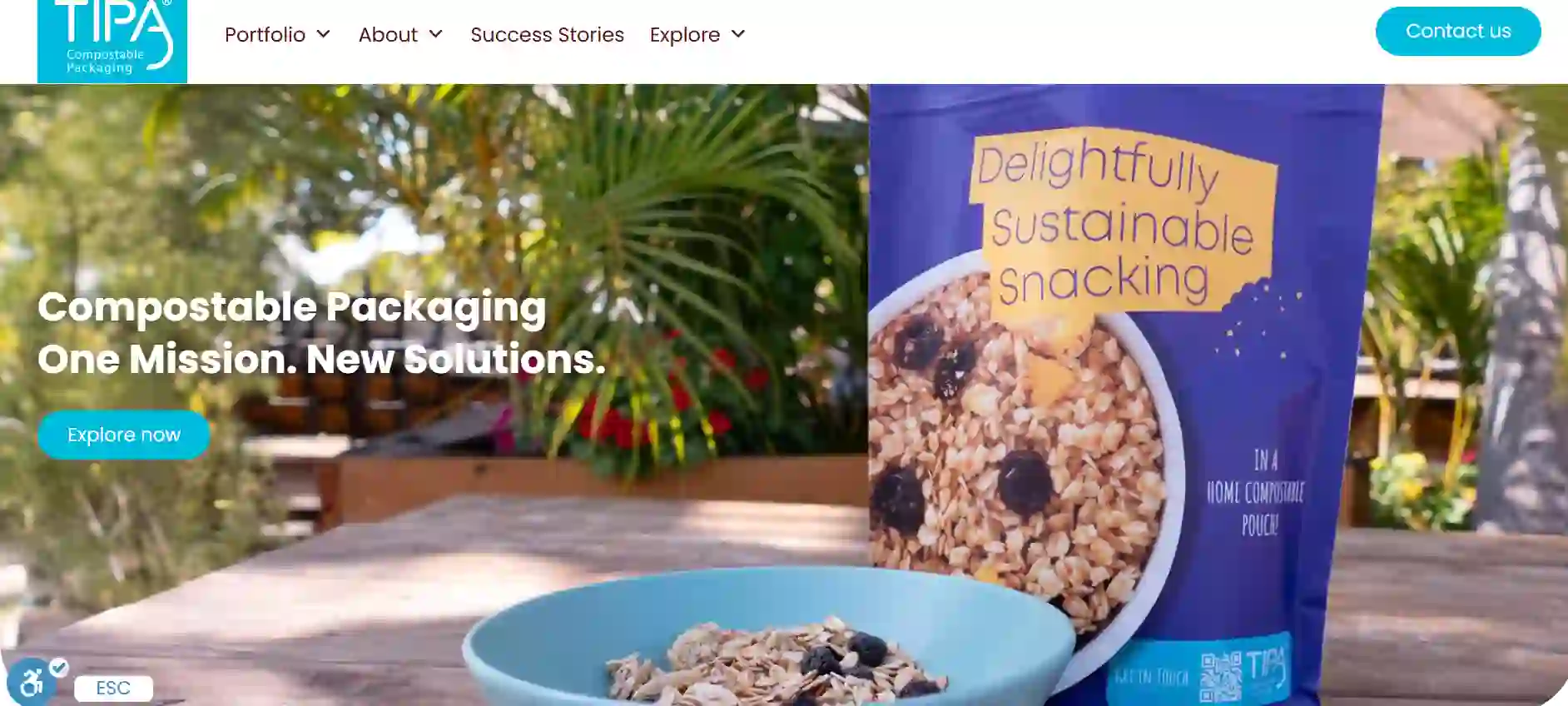
TIPA Compostable Packaging solves the flexible plastic problem that nobody else figured out. Their packaging behaves exactly like conventional plastic film during use but breaks down like an orange peel in compost. You get the same durability, barrier properties, and shelf life as regular plastic without the centuries of pollution. In 2026, TIPA launched home-compostable labels for fresh produce that resist moisture while staying flexible. They also released T.LAM 608, a home-compostable transparent film for food packaging that actually works. TIPA produces high-barrier films and laminates for coffee, snacks, supplements, and fresh produce. The company partners with major converters worldwide and exhibits at Pack Expo 2026 in Chicago. Their products carry DIN CERTCO and BPI certifications, so you know the claims are real.
Key Features
- Flexible packaging that matches plastic performance
- Home-compostable options for produce labels and films
- Full decomposition within 6 months in industrial compost
- Transparent laminates let customers see your product
- Certified compostable across Europe, North America, and Asia
- TIPA serves food, fashion, and supplement industries
- Partnership with Coveris for home-compostable produce labels
4. Greendot Biopak
Greendot Biopak manufactures 100% bio-compostable packaging from a state-of-the-art facility in Ahmedabad, India. The company was established in 2019 with parent company roots going back to 1925, so they know manufacturing. You can source everything from home compost garbage bags and shopping bags to bread bags, mulch films, nursery bags, drinking straws, food containers, and ziplock bags.
Greendot Biopak is rapidly expanding across India, the UK, and Europe in 2026, especially serving the hospitality and food service sectors. Their bioplastics come from renewable plant-based materials and agricultural waste, designed to biodegrade naturally with minimal ecological impact. The company holds DIN CERTCO certification (Registration No. 9K0081) valid through July 2026. They specialize in replacing PE coatings, PFAS coatings, and traditional plastic packaging for restaurants and QSR chains.
Key Features
- DIN CERTCO certified compostable materials
- Wide product range from bags to containers to cutlery
- No PE or PFAS coatings used in their packaging
- State-of-the-art manufacturing facility in India
- Greendot Biopak serves global markets including UK and Europe
- Bio-compostable bottle preforms for beverages
- Materials from sustainable and renewable agricultural sources
5. OMNI Systems
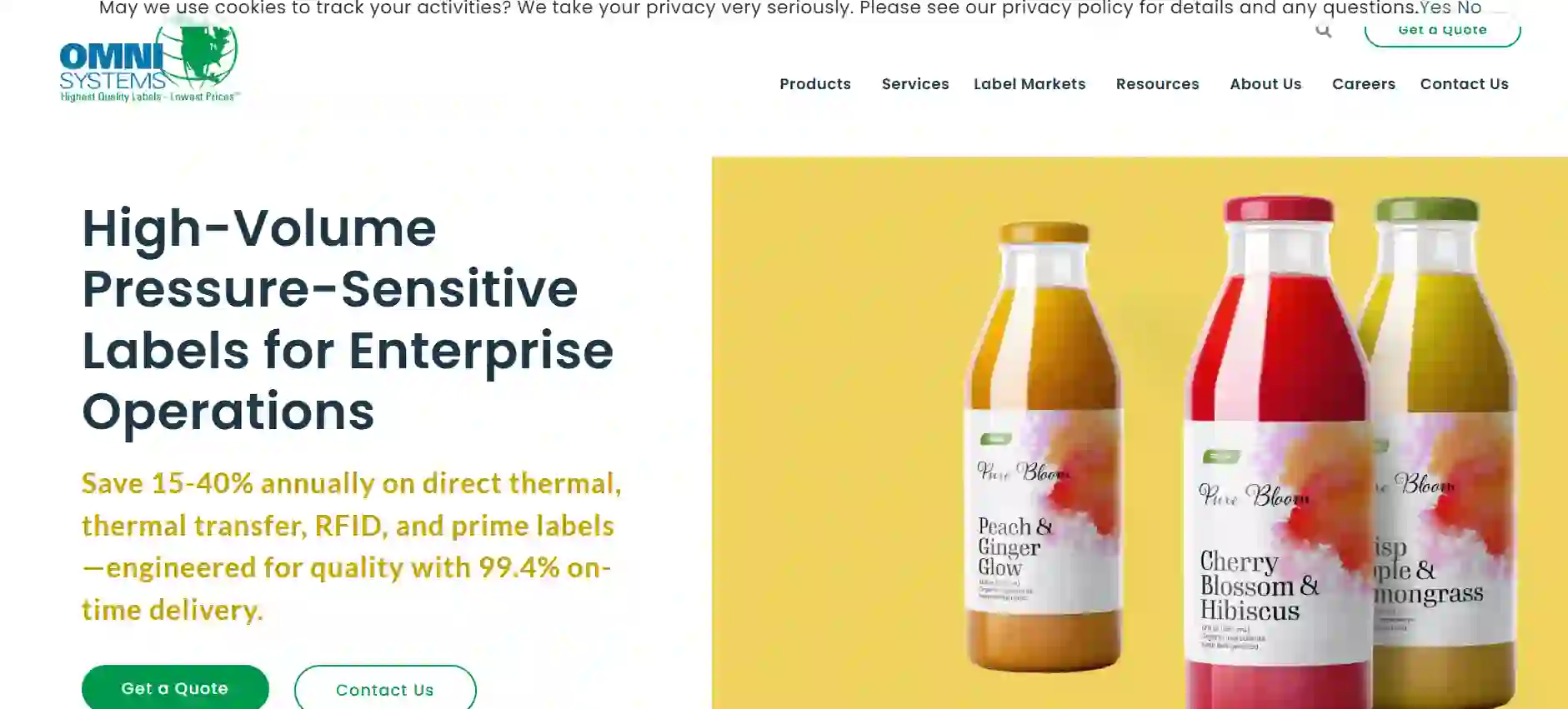
OMNI Systems is the largest privately owned label manufacturer in the United States, and they are going all-in on sustainable labeling in 2026. The company earned Inc.'s Best in Business award for innovation, specifically for their waste management and sustainable labeling programs. You will find their compostable adhesives and bio-based films gaining traction across food and beverage, beauty, personal care, and hospitality sectors. OMNI Systems leverages low-energy printing like LED UV curing to cut carbon footprints compared to traditional methods.
Their recycling-ready adhesives and linerless options reduce material waste significantly. QR codes on eco-friendly label stock can replace bulky packaging inserts, trimming material use across your entire supply chain. OMNI Systems sources from responsibly managed forests with full certification documentation available to buyers.
Key Features
- Largest US label manufacturer with sustainable focus
- Compostable adhesives and bio-based film options
- Inc. Best in Innovation award for waste reduction
- LED UV printing reduces energy consumption
- Linerless labels eliminate release liner waste
- OMNI Systems provides full chain-of-custody documentation
- Serves food, beverage, beauty, and hospitality industries
6. Michelman
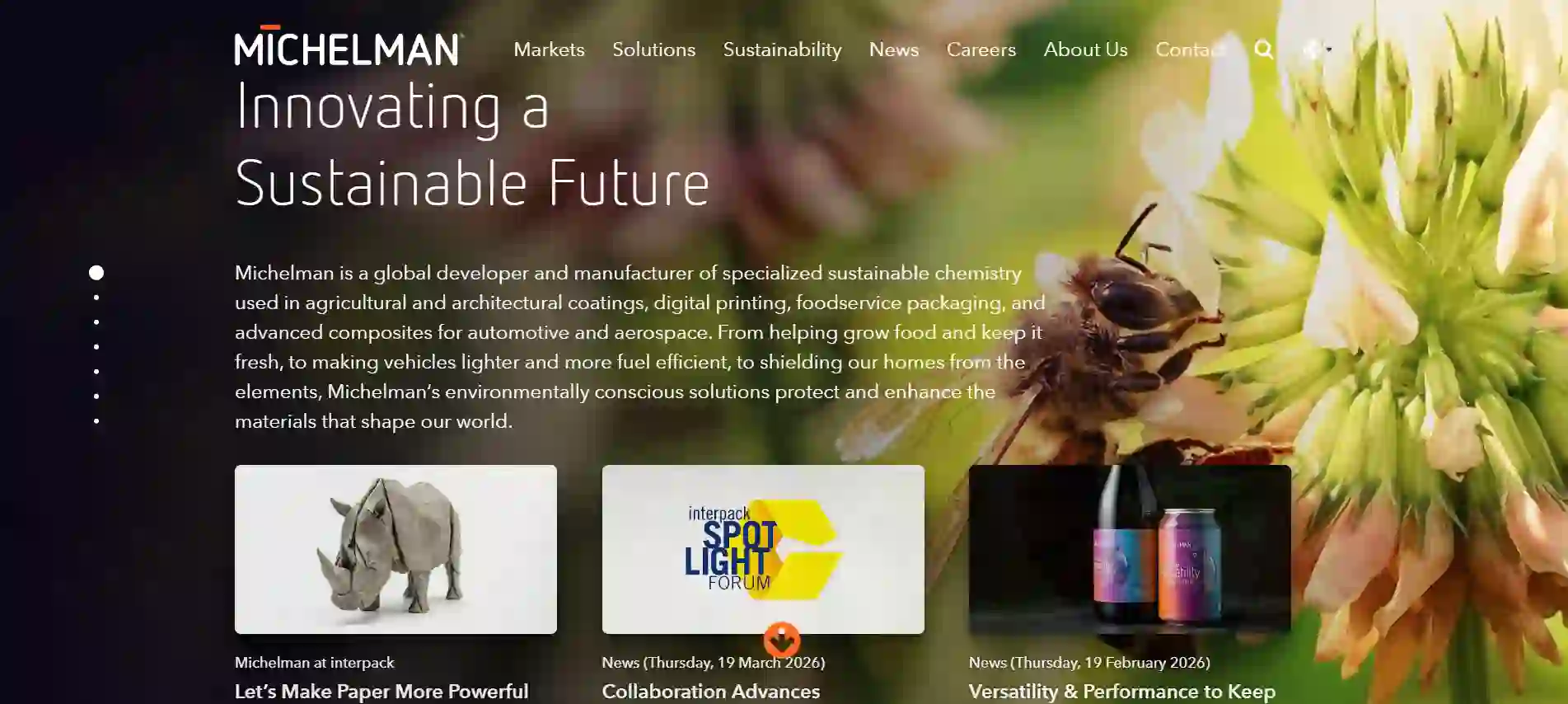
Michelman does not make finished packaging—they make the coatings that make biodegradable packaging actually work. Headquartered in Cincinnati, Michelman develops water-based functional coatings that enable paper-based packaging to be repulpable, recyclable, and compostable. In March 2026, they announced a growing portfolio of BPI-certified compostable coatings, giving brand owners more sustainable options to achieve the performance they need.
Their Michem Coat 9250 is a water-based coating designed to improve the recyclability of paper cups used for hot beverages. Michelman is presenting at interpack 2026 in Germany, showcasing how their coatings enable next-generation sustainable packaging. If you manufacture your own packaging or work with converters, Michelman's coatings can transform your regular paper into biodegradable food packaging without sacrificing grease or moisture resistance.
Key Features
- BPI-certified compostable coating portfolio
- Water-based formulations with no harmful solvents
- Enables hot beverage cup recyclability
- Repulpable and recyclable end products
- Michelman serves global packaging converters
- High barrier performance matching multi-material films
- Presenting at interpack 2026 SPOTLIGHT Forum
7. DCGpac (India)
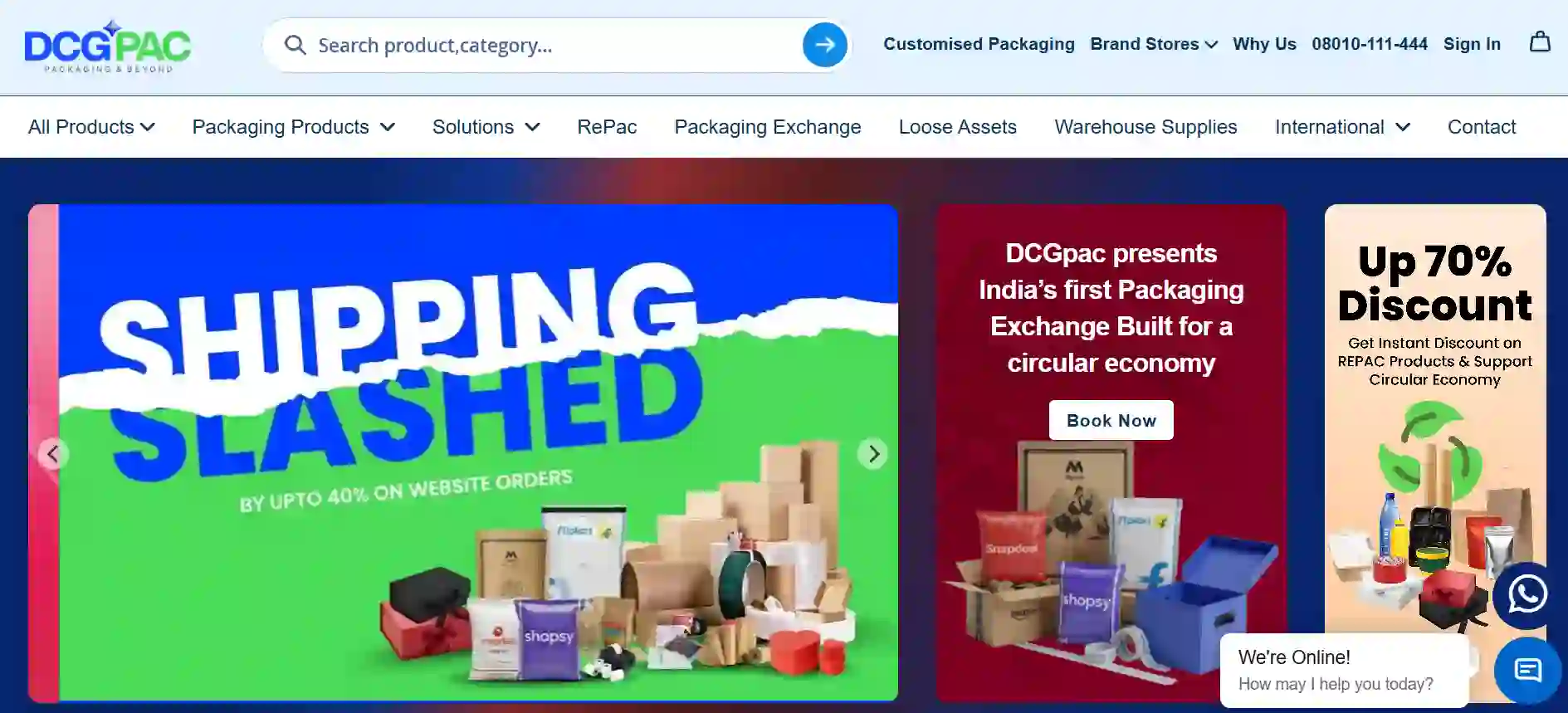
DCGpac opened their first smart manufacturing plant in Noida, India in January 2026, spreading across 20,000+ square feet. The facility manufactures 100% biodegradable and compostable packaging for e-commerce, logistics, retail, and direct-to-consumer brands. All materials processed at this location are fully biodegradable and compostable, serving customers in India, the UK, Germany, Australia, and West Asia. DCGpac partnered with UKHI to build this technology-led, globally integrated packaging ecosystem.
You can source sustainable mailers, shipping bags, and protective packaging designed specifically for quick commerce and D2C brands. The plant uses automated quality control systems to ensure consistency across every batch. DCGpac is positioned to become a major supplier for biodegradable packaging manufacturers India as the country's e-commerce market continues explosive growth in 2026. And if you're looking for a platform that supports no MOQs for your own product sourcing, Spocket has no MOQs, making it easier to start small with eco-friendly items.
Key Features
- New 20,000+ sq ft smart plant opened January 2026
- Serves e-commerce, logistics, retail, and D2C sectors
- Automated quality control systems
- DCGpac partners with UKHI for technology
- Exports to UK, Germany, Australia, and Middle East
- 100% biodegradable and compostable materials
- Built for quick commerce fulfillment needs
8. EcoFibre (USA)
EcoFibre manufactures plant-based packaging from sugarcane pulp that is biodegradable, PFAS-free, and waste-reducing. This US-based startup produces biodegradable packaging and tableware made from renewable plant-based pulp, primarily sugarcane bagasse. You will find their products working well for food service applications like takeout containers, plates, bowls, and trays. Sugarcane pulp is naturally grease-resistant, so you do not need chemical coatings that might contaminate the composting process.
EcoFibre's packaging maintains structural integrity even with hot, wet, or oily foods—problems that plague cheap paper alternatives. The company focuses on serving restaurants, cafes, and food delivery businesses that need biodegradable packaging for food that actually works. As more US cities ban foam and plastic takeout containers, EcoFibre offers a ready replacement at competitive price points. And if you're interested in creating custom-branded eco-friendly products, Print-on-demand services can help you pair sustainable packaging with custom merchandise.
Key Features
- Made from sugarcane bagasse (agricultural waste)
- PFAS-free with no chemical coatings needed
- Microwave-safe and freezer-safe for versatility
- EcoFibre products serve restaurants and delivery
- Naturally grease-resistant from sugarcane fibers
- Composts in 60-90 days in commercial facilities
- US-based manufacturing with shorter lead times
Conclusion
Finding biodegradable packaging does not have to be a headache. You have got legit options in 2026 from manufacturers who actually care about the planet and their products. Start with certifications—look for BPI, TÜV, or DIN CERTCO before you look at anything else. Order samples, test them in your real-world operations, and build relationships with suppliers who answer your questions honestly. The market keeps growing, prices keep dropping, and regulations keep pushing plastic out.
Make the switch now while you have choices and negotiating power. Your customers will thank you, your conscience will feel lighter, and the planet might just survive another generation. Get your samples ordered and see what works for your business today.
Start your dropshipping business today
Biodegradable Packaging Sourcing FAQs
What exactly qualifies as biodegradable packaging in 2026?
Biodegradable packaging breaks down through natural biological processes into carbon dioxide, water, and biomass. Real biodegradable packaging carries third-party certifications like ASTM D6400 or EN 13432. These standards verify the material degrades at least 90% within a specific timeframe. Without certification, any company can slap a "biodegradable" label on regular plastic. You should only buy certified products from reputable suppliers.
How long does biodegradable packaging take to break down?
It depends on the material and disposal environment. Compostable products break down within 90 to 180 days in industrial composting facilities. Home compostable items take three to six months in your backyard pile. Biodegradable plastics might need years in a landfill with no oxygen or light. You should check the specific certification for your chosen packaging. Industrial compostable items will not break down properly in home compost setups.
Is biodegradable packaging more expensive than regular plastic?
Yes, but the gap keeps shrinking every year. Biodegradable packaging typically costs 20% to 50% more than conventional plastic as of 2026. You can offset the difference through tax incentives, higher customer willingness to pay, and avoiding future plastic taxes. Volume discounts from suppliers like those listed above bring costs down significantly. Many businesses find the brand benefits outweigh the additional expense.
Where can I find biodegradable packaging suppliers near me?
You can start with the eight manufacturers listed in this guide. For local sourcing, search for biodegradable packaging manufacturers USA or your specific region. Check the BPI directory for certified products and manufacturers. Attend industry trade shows like Pack Expo or interpack to meet suppliers in person. Ask other business owners in your industry for recommendations. You will get better service and faster shipping from closer suppliers.


Launch your dropshipping business now!
Start free trial.avif)


Related blogs
Dropshipping Supplier Directory: Where to Find Vetted Suppliers
Browse our directory of vetted dropshipping suppliers across the US and EU, complete with niches, shipping speed, and pricing. Start your free trial today.


How to Negotiate With Dropshipping Suppliers: 9 Tactics That Actually Work
Learn how to negotiate with dropshipping suppliers on price, MOQs, and payment terms. Proven tactics and email scripts to boost your margins. Try Spocket free.

Best Clothing Dropshipping Suppliers: The 2026 Guide
Compare the best clothing dropshipping suppliers for 2026 — US/EU shipping speeds, pricing, and product quality — and find the right fit to launch your store.
