Dropshipping Business License in the US — State-by-State Guide
Learn what licenses, permits, tax registrations, and state rules US dropshipping sellers should check before launching or scaling an online store.
.avif)

Starting a dropshipping business in the US can feel simple at first. You choose products, build an online store, connect suppliers, and start marketing. Since you do not hold inventory or ship every order yourself, it may seem like there are fewer legal steps involved compared to a traditional retail business.
However, dropshipping is still a real business. You are selling products to customers, collecting payments, handling customer data, managing refunds, and earning revenue. That means you may need to register your business, apply for tax identification, collect sales tax where required, and follow state or local licensing rules.
This guide explains what dropshipping licenses may be needed in the US, how requirements differ by state, and what ecommerce sellers should check before launching. It is written for educational purposes only and should not be treated as legal or tax advice. Since rules can change and requirements vary by location, always verify details with official state, city, county, or tax authorities.

Do You Need a Business License for Dropshipping in the US?
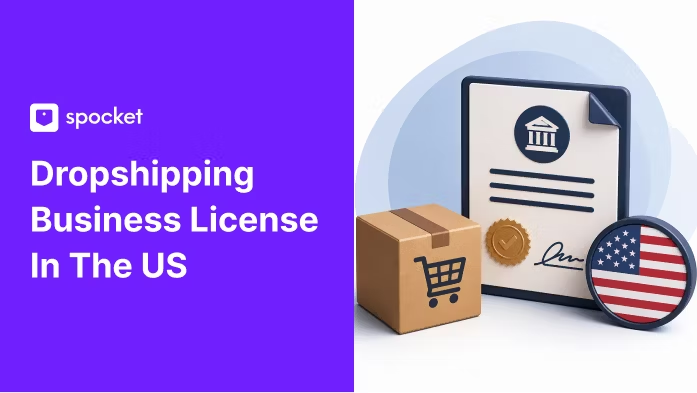
A dropshipping business may need a business license, tax registration, seller’s permit, or local permit depending on where it operates and what it sells. There is no single national “dropshipping license” that applies to every seller in the same way. Instead, most requirements come from a mix of federal, state, and local rules.
The US Small Business Administration explains that most small businesses need some combination of licenses and permits from federal and state agencies, and the exact requirements depend on business activity, location, and government rules.
That is why two dropshipping businesses can have different licensing needs. A seller running a general home decor store from Florida may have different obligations than a seller based in California selling beauty products nationwide.
In most cases, dropshippers should check whether they need:
- A business entity registration, such as an LLC or corporation
- A federal tax ID, also known as an EIN
- A sales tax permit or seller’s permit
- A resale certificate
- A local city or county business license
- A home-based business permit, if operating from home
- Product-specific permits for regulated goods
The important thing to understand is that dropshipping is legal in the US, but it is not license-free by default. Even if your supplier stores and ships products, your store is still the seller in the customer’s eyes.
What Is a Dropshipping Business License?
A dropshipping business license is not usually one single document. In everyday language, people use the term to describe the legal approvals, registrations, and permits needed to run an online store properly.
For example, your “business license” setup may include state business registration, an EIN, a sales tax permit, and a local business license. Each serves a different purpose, and each may come from a different government office.
Business Registration
Business registration is the process of formally creating or recording your business with the state. If you form an LLC, corporation, or partnership, you usually register with the state agency responsible for business filings.
A sole proprietor may not always need the same level of state registration, but they may still need a local license, a fictitious business name, or tax registration depending on the state and city.
For dropshippers, business registration helps with:
- Separating business activity from personal activity
- Opening a business bank account
- Working with suppliers
- Building customer confidence
- Applying for payment processors
- Keeping accounting cleaner
General Business License
A general business license is usually issued by a city, county, or local government. It gives you permission to operate a business in that area.
Even if your store is fully online, your business is still located somewhere. That location may be your home office, coworking space, or registered business address. Some local governments require online businesses to register just like physical businesses.
Seller’s Permit or Sales Tax Permit
A seller’s permit, sometimes called a sales tax permit, allows a business to collect sales tax from customers. It is usually issued by a state tax agency.
Dropshipping sellers often need to pay close attention to sales tax because ecommerce transactions can involve multiple states. You may have obligations in your home state and, as your store grows, potentially in other states where you meet economic nexus rules.
Resale Certificate
A resale certificate lets you buy products for resale without paying sales tax at the time of purchase, where allowed. The idea is that sales tax is collected later from the final customer instead of being paid by the reseller upfront.
Not every dropshipping supplier will ask for a resale certificate, but many legitimate suppliers may request one before approving you for wholesale or reseller pricing.
Product-Specific Permits
Some products are more regulated than others. If you sell supplements, food products, cosmetics, children’s products, medical items, electronics, or anything with safety rules, you may need extra compliance steps.
For beginners, it is often safer to start with lower-risk product categories before entering regulated niches.
Why Licensing Matters for Dropshipping Sellers
Licensing may not be the most exciting part of building a dropshipping business, but it protects the foundation of your store. A well-structured business can reduce confusion when dealing with taxes, suppliers, banks, and customers.
Many sellers focus only on product research, ads, and store design. Those are important, but legal setup supports everything behind the scenes.
A proper business setup can help you:
- Avoid fines from missing permits
- Collect and remit sales tax correctly
- Open a business bank account
- Separate personal and business finances
- Apply for business credit or funding later
- Build trust with suppliers and customers
- Keep cleaner financial records
- Reduce personal risk when using an LLC or corporation
Federal Requirements for US Dropshipping Businesses
Federal requirements are usually less about a general ecommerce license and more about tax identification, product regulations, and industry-specific rules. Most standard dropshipping stores do not need a federal license unless they sell products regulated by a federal agency.
EIN for Dropshipping
An EIN, or Employer Identification Number, is a federal tax identification number issued by the IRS. The IRS describes it as a federal tax ID number used by businesses and other entities.
You may need an EIN if you:
- Form an LLC or corporation
- Hire employees
- Open a business bank account
- Apply for certain licenses
- File business tax returns
- Work with some payment processors or suppliers
The IRS says businesses can get an EIN directly from the IRS for free, and online applications can issue one immediately when approved.
Even if you are a solo dropshipper, getting an EIN can still be useful. It helps avoid using your personal Social Security number in certain business situations and makes your store look more established.
Federal Product Rules
Some product categories may be subject to federal rules. This is where many new sellers make mistakes. They assume that if a supplier offers a product, it must be safe and legal to sell. That is not always true.
Before selling regulated or sensitive products, check requirements for:
- Health and wellness products
- Supplements
- Cosmetics and skincare
- Baby and children’s products
- Electronics
- Batteries
- Food and beverages
- Medical-related products
- Branded or trademarked items
State-by-State Dropshipping Business License Guide
The following state-by-state guide gives dropshipping sellers a practical starting point. It does not replace official state guidance, but it helps you understand what to check before launching or scaling your store.
Alabama
Dropshippers in Alabama should check business registration rules, local licensing, and sales tax requirements. If you form an LLC, you will usually register with the state. Sellers should also review whether they need local business permissions in the city or county where they operate.
Alaska
Alaska does not have a statewide sales tax, but some local jurisdictions may have sales tax or business licensing rules. Dropshippers should not assume “no state sales tax” means no registration at all. Always check city and borough requirements.
Arizona
Arizona uses a transaction privilege tax system instead of a traditional sales tax structure. Dropshipping sellers should review state tax licensing rules and local requirements before selling taxable products.
Arkansas
Dropshippers in Arkansas should check state business registration, sales tax permit requirements, and local business licenses. If you operate under a brand name different from your legal name, also review name registration rules.
California
California sellers should pay close attention to business registration, seller’s permit requirements, local business licenses, and state tax obligations. California can be more complex than many states, especially for ecommerce sellers operating from home or selling into multiple jurisdictions.
Colorado
Colorado has state and local sales tax rules that can be more detailed than expected. Dropshipping sellers should check state tax registration, local jurisdiction requirements, and whether home-based business rules apply.
Connecticut
Connecticut dropshippers should review business registration, sales and use tax permits, and local licensing rules. If you operate as an LLC or corporation, state registration is usually part of the setup process.
Delaware
Delaware does not have a state sales tax, but businesses may still need state registration and a business license. Many companies register in Delaware, but dropshippers should consider whether registering there makes sense if they actually operate elsewhere.
Florida
Florida sellers should check business entity registration, sales tax registration, and local business tax receipt requirements. Some counties and cities may have separate rules for businesses operating from a home address.
Georgia
Georgia dropshippers should review LLC registration, sales tax permit requirements, and city or county business license rules. Sellers should also check whether a local occupational tax certificate is required.
Hawaii
Hawaii uses a general excise tax system instead of a standard sales tax. Dropshipping sellers should review business registration and tax licensing requirements before accepting orders.
Idaho
Dropshippers in Idaho should check business entity registration, seller’s permit rules, and local licensing requirements. If you operate under a trade name, review state name filing rules as well.
Illinois
Illinois sellers should check business registration, retailer registration, sales tax requirements, and local licensing. Ecommerce sellers should also review whether marketplace or remote seller rules affect their tax responsibilities.
Indiana
Indiana dropshippers should review business registration and retail merchant certificate requirements. If you sell taxable goods, you may need state tax registration before collecting sales tax.
Iowa
Iowa sellers should check whether they need business registration, a sales tax permit, and local business permissions. Home-based ecommerce businesses should also review local zoning rules.
Kansas
Kansas dropshippers should look into business registration, sales tax registration, and local licensing. If you sell products into Kansas from another state, review whether remote seller rules apply.
Kentucky
Kentucky sellers should check business registration, sales and use tax permits, and local occupational license requirements. Some local areas may have additional registration rules.
Louisiana
Louisiana can involve state and parish-level tax considerations. Dropshipping sellers should review state sales tax registration and local parish tax obligations before selling taxable goods.
Maine
Maine dropshippers should check state business registration, sales tax registration, and local business rules. Sellers operating under a trade name should also confirm name registration requirements.
Maryland
Maryland sellers should review business registration, sales and use tax licensing, and local requirements. If you form an LLC, annual filings may also apply.
Massachusetts
Massachusetts dropshippers should check business registration, sales and use tax registration, and local permits. Sellers should also pay attention to consumer protection and privacy practices when collecting customer data.
Michigan
Michigan sellers should review business entity registration, sales tax license rules, and local business requirements. If you are operating from home, check whether the city or township has business restrictions.
Minnesota
Minnesota dropshippers should check business registration and sales tax permit requirements. Sellers should also review whether certain products need special handling or additional compliance.
Mississippi
Mississippi sellers should review state business registration, sales tax permits, and local business rules. If you sell through multiple channels, keep records organized for tax reporting.
Missouri
Missouri dropshippers should check business registration, sales tax licensing, and local business license requirements. City or county rules may apply even if your store is fully online.
Montana
Montana has no statewide sales tax, but dropshippers should still check business registration and local licensing requirements. Product-specific rules may still apply depending on what you sell.
Nebraska
Nebraska sellers should review business registration, sales tax permit rules, and local licensing. If you form an LLC, confirm annual reporting and maintenance requirements.
Nevada
Nevada dropshippers should check state business license rules, entity registration, and sales tax permit requirements. Sellers should also review local licensing in the city or county where they operate.
New Hampshire
New Hampshire has no statewide sales tax, but sellers should check business registration and local business requirements. Do not assume no sales tax means no compliance obligations.
New Jersey
New Jersey dropshippers should review business registration, sales tax permit rules, and local requirements. Sellers should also keep business and personal finances separate for cleaner reporting.
New Mexico
New Mexico uses a gross receipts tax system. Dropshipping sellers should check business registration and tax registration requirements before selling to customers.
New York
New York sellers should check business registration, sales tax certificate requirements, and local rules. New York can be detailed for ecommerce businesses, especially if you sell taxable goods regularly.
North Carolina
North Carolina dropshippers should review business registration, sales and use tax registration, and local business license rules. Sellers should also check whether their product category has special requirements.
North Dakota
North Dakota sellers should check business registration and sales tax permit rules. If operating remotely, review whether economic nexus affects registration requirements.
Ohio
Ohio dropshippers should review business registration, vendor’s license requirements, and local business rules. Sellers should also confirm whether their business name needs separate filing.
Oklahoma
Oklahoma sellers should check business registration, sales tax permit requirements, and local licensing. If operating from home, local rules may still apply.
Oregon
Oregon has no statewide sales tax, but dropshippers should check business registration, local licensing, and product-specific rules. Sellers should still keep clear records for income tax and business reporting.
Pennsylvania
Pennsylvania dropshippers should review business registration, sales tax licensing, and local requirements. Some cities or municipalities may have additional business rules.
Rhode Island
Rhode Island sellers should check business registration, sales tax permit rules, and local licensing. If you form an LLC, review annual filing requirements.
South Carolina
South Carolina dropshippers should review business registration, retail license requirements, and local business rules. Sellers should also verify requirements if selling regulated goods.
South Dakota
South Dakota sellers should check business registration and sales tax licensing. Remote sellers should also review economic nexus rules because online sales activity can create tax obligations.
Tennessee
Tennessee dropshippers should review business registration, sales tax registration, and local business tax licensing. Some local jurisdictions may require additional steps.
Texas
Texas sellers should check business entity registration, sales tax permit requirements, and local rules. If your dropshipping store is based in Texas, review whether you need a state sales tax permit before collecting tax.
Utah
Utah dropshippers should check business registration, sales tax licensing, and local business rules. Sellers operating under a brand name should confirm name registration requirements.
Vermont
Vermont sellers should review business registration and sales tax licensing. Dropshippers should also check whether product-specific rules apply to their niche.
Virginia
Virginia dropshippers should check business registration, sales tax permit requirements, and local business licenses. Many localities have business license or tax rules that apply even to small online businesses.
Washington
Washington sellers should review business license application requirements, reseller permit rules, and sales tax registration. Washington also has business and occupation tax considerations that sellers should understand.
West Virginia
West Virginia dropshippers should check business registration certificate requirements, sales tax rules, and local licensing. If you run the store from home, confirm city or county requirements.
Wisconsin
Wisconsin sellers should review business registration, seller’s permit rules, and local licensing requirements. Sellers should also keep accurate records of taxable and exempt sales.
Wyoming
Wyoming dropshippers should check LLC registration, sales tax licensing, and local business rules. Wyoming is often discussed for LLC formation, but sellers should still consider where they actually operate before registering there.
How to Get a Dropshipping Business License in the US
The process can feel confusing at first, but it becomes easier when broken into steps. You do not need to solve every state issue on day one. Start with your business location, then expand your compliance review as your sales grow.
Choose Your Business Structure
Start by deciding whether you will operate as a sole proprietor, LLC, corporation, or partnership. Many new dropshippers begin simply, while others form an LLC before launching.
Think about liability, taxes, costs, paperwork, and long-term goals. A structure that works for a hobby-style store may not be ideal for a serious ecommerce brand.
Pick and Register Your Business Name
Choose a business name that is clear, memorable, and legally available. Check whether the name is available in your state. Also check domain availability and social media handles before committing.
If your store name is different from your legal business name, you may need a DBA or fictitious business name filing.
Apply for an EIN
Apply for an EIN through the IRS if your business structure requires it or if you want one for banking and business purposes. The IRS provides EINs directly and says approved online applications can receive an EIN immediately.
Register With Your State
If you form an LLC or corporation, register with your state business filing office. This usually involves filing formation documents and paying a state fee.
You may also need to appoint a registered agent and file annual reports depending on the state.
Apply for Sales Tax Registration
Check whether you need a sales tax permit in your home state. If your store grows, review other states where your sales may create nexus.
Do not wait until tax season to figure this out. Sales tax is easier to manage when systems are set up early.
Check Local Business License Rules
Visit your city or county business licensing office online and check whether online businesses need a license. Some areas require a local license even if you do not have a physical storefront.
If you work from home, also check home occupation rules.
Set Up Business Banking
Once you have your business registration and EIN, open a dedicated business bank account. This helps keep personal and business finances separate.
Clean records make bookkeeping, taxes, refunds, chargebacks, and supplier payments much easier to manage.
Choose Reliable Suppliers
Licensing is only one part of building a strong dropshipping business. Supplier quality matters just as much. With Spocket, sellers can discover products from vetted suppliers, import items into their store, and manage fulfillment more efficiently.
Final Thoughts
A dropshipping business license in the US is not a single universal document. It usually refers to a combination of business registration, tax identification, seller’s permits, resale certificates, local licenses, and product-specific approvals. The exact requirements depend on where your business is based, what products you sell, how your business is structured, and where your customers are located.
For beginners, the best approach is to start with your home state. Choose a business structure, apply for an EIN if needed, check sales tax registration, and confirm local business license requirements. As your Spocket store grows, review new tax obligations, supplier requirements, and product compliance rules before expanding too quickly.
A strong legal foundation will not guarantee success, but it can prevent avoidable setbacks. When your business setup is clean, your records are organized, and your customer experience is transparent, you can focus more confidently on growing your dropshipping store.
Start your dropshipping business today
FAQs about Dropshipping Business License in the US
FAQs about Dropshipping Business License in the US
Do I need a business license to start dropshipping in the US?
Yes, you may need a business license, depending on your state, city, county, business structure, and product category. There is no single federal “dropshipping license,” but most sellers should check business registration, sales tax permits, local business licenses, and resale certificate requirements before launching.
Is dropshipping legal in all US states?
Yes, dropshipping is legal in the US as long as you follow business registration, tax, consumer protection, and product compliance rules. The legal requirements can vary by state, so sellers should always check local licensing, sales tax, and product-specific regulations before selling.
Do I need an LLC for a dropshipping business?
You do not always need an LLC to start dropshipping, but many sellers choose one for liability separation, professionalism, and cleaner business banking. If you are testing a small store, you may start simpler, but if you plan to build a serious brand with Spocket, forming an LLC can be a practical long-term step.
Do dropshippers need a seller’s permit?
Many dropshippers need a seller’s permit or sales tax permit if they sell taxable products in a state where they have nexus. Nexus can be created by your business location, employees, inventory, or sales volume in a state. Since rules differ, sellers should review their home state first and then check other states as their sales grow.
What licenses should a beginner dropshipper check first?
Beginner dropshippers should first check business registration, EIN requirements, sales tax permits, resale certificate rules, and local city or county business licenses. If you sell regulated products like supplements, cosmetics, food, electronics, or children’s items, you may also need additional product-specific compliance checks.


Launch your dropshipping business now!
Start free trial


Related blogs
Dropshipping Supplier Directory: Where to Find Vetted Suppliers
Browse our directory of vetted dropshipping suppliers across the US and EU, complete with niches, shipping speed, and pricing. Start your free trial today.

How to Negotiate With Dropshipping Suppliers: 9 Tactics That Actually Work
Learn how to negotiate with dropshipping suppliers on price, MOQs, and payment terms. Proven tactics and email scripts to boost your margins. Try Spocket free.

Best Clothing Dropshipping Suppliers: The 2026 Guide
Compare the best clothing dropshipping suppliers for 2026 — US/EU shipping speeds, pricing, and product quality — and find the right fit to launch your store.