


Dropshipping Medical Supplies: How to Build a Safe, Trusted, and Profitable Store
Learn how to start dropshipping medical supplies, choose safer products, avoid compliance risks, build customer trust, and grow your ecommerce store.
.avif)

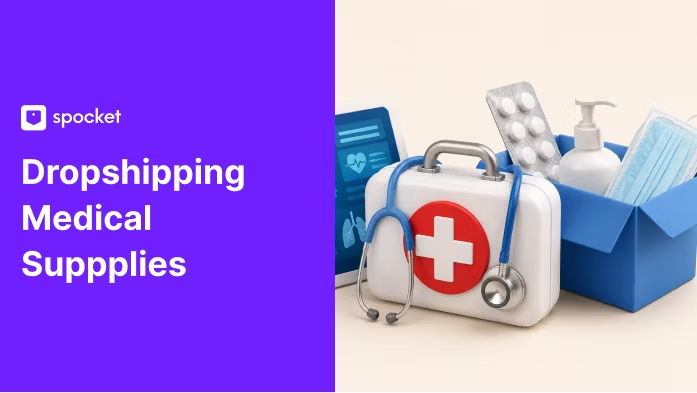
Dropshipping medical supplies can be a strong ecommerce opportunity, but it is not a niche you should enter casually. Unlike fashion, home decor, or phone accessories, medical-related products are connected to health, safety, caregiving, comfort, hygiene, and daily wellbeing. Customers buying these items expect accuracy, quality, clear instructions, and honest product claims.
The demand is easy to understand. People buy medical supplies for home care, travel, emergencies, recovery support, elderly care, workplace safety, hygiene, and family health routines. Products like first-aid kits, pill organizers, gloves, masks, support braces, mobility accessories, and home care tools can serve real everyday needs.
However, this niche also carries higher responsibility. Sellers must avoid misleading health claims, low-quality suppliers, unsafe products, counterfeit items, and products that may require approvals or professional supervision.
The goal should be simple: choose practical, lower-risk medical supplies, work with reliable suppliers, write clear product descriptions, and build a store that feels trustworthy from the first click.
What Is Medical Supplies Dropshipping?
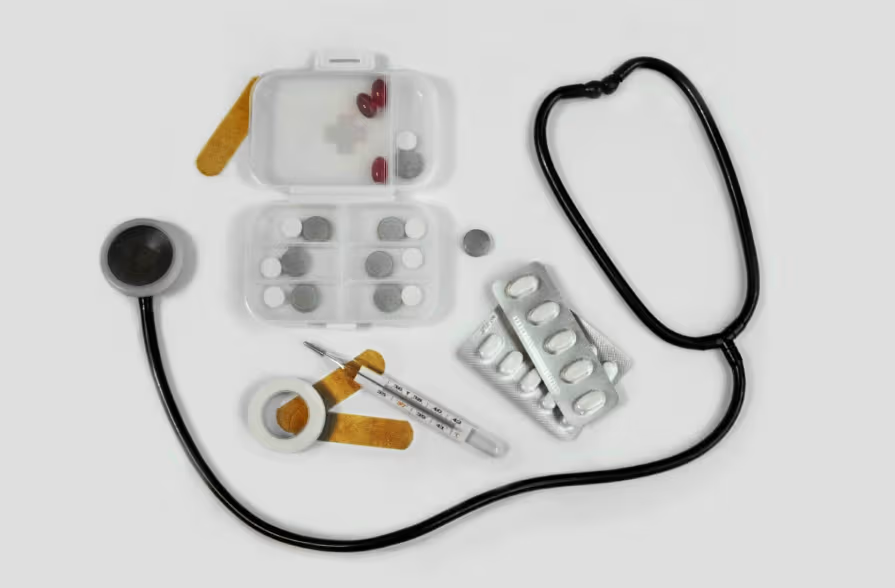
Medical supplies dropshipping is an ecommerce model where you sell healthcare-related, safety-related, hygiene-related, or home care products online without keeping inventory yourself. When a customer places an order, your supplier ships the product directly to them.
This model can work well because many medical supplies are practical, repeat-purchase, or need-based products. Customers are not only shopping for trends. They may be looking for something useful for their home, workplace, travel bag, elderly parent, child, clinic support routine, or personal care setup.
Medical supplies dropshipping can include products such as:
- First-aid kits and storage boxes
- Disposable gloves
- Face masks
- Pill organizers
- Support braces
- Compression socks
- Thermometers
- Mobility accessories
- Bedside caddies
- Shower safety accessories
- Caregiver support products
- Travel health kits
- Hygiene products
- Home care organizers
The key is understanding the difference between general medical-adjacent products and regulated medical devices. A pill organizer is usually much simpler to sell than a diagnostic device. A first-aid pouch is usually lower risk than a product claiming to treat pain, detect disease, or monitor a serious condition.
For beginners, it is smarter to start with products that support comfort, organization, hygiene, safety, and convenience rather than products that make medical performance claims.
Is Dropshipping Medical Supplies Legal?
Dropshipping medical supplies can be legal, but sellers must follow product safety, labeling, advertising, tax, shipping, and regional compliance rules. The issue is not dropshipping itself. The issue is what you sell, how you describe it, and whether the product is allowed to be sold in your target market.
Some medical supplies are simple consumer products. Others may be regulated medical devices. Some may require specific labeling, manufacturer registration, device listing, testing, documentation, or approval before being sold.
Owners or operators of establishments involved in producing or distributing medical devices intended for use in the US may be subject to FDA registration and listing requirements. This matters because sellers should not assume every supplier product is automatically compliant for every market.
Why Compliance Matters in This Niche
Customers buying medical-related products often rely on the information you provide. If your product page exaggerates what an item can do, the customer may use it incorrectly or expect results it cannot deliver.
Compliance also protects your business from:
- Refunds and chargebacks
- Marketplace takedowns
- Payment processor issues
- Advertising account restrictions
- Customer complaints
- Legal risk
- Supplier disputes
- Reputation damage
Health-related advertising claims also need proper support. The FTC states that companies must have appropriate substantiation for health-related product claims. That means sellers should avoid phrases like “cures,” “treats,” “prevents,” “doctor-approved,” or “clinically proven” unless they have reliable evidence and the claim is legally permitted.
A Safe Way to Think About Product Risk
Before adding any product, ask three simple questions:
- Does this product claim to diagnose, treat, cure, prevent, or monitor a medical condition?
- Could incorrect use create harm or serious customer dissatisfaction?
- Does the product require proof, certification, or special permission to sell?
If the answer is yes, slow down. Get documentation, check official requirements, and consider professional guidance before listing it.
Why Medical Supplies Can Be a Strong Dropshipping Niche
Medical supplies can be attractive because the niche is need-driven. Many products solve practical problems instead of relying only on impulse buying. A customer may buy a pill organizer because they need routine support, not because it is trendy. A caregiver may buy a bedside storage caddy because it makes daily care easier.
This creates steady demand across several audiences.
Customers Buy for Practical Reasons
Medical supplies are often purchased for clear, everyday use cases. These include:
- Keeping first-aid items organized
- Supporting elderly family members
- Preparing for travel
- Improving hygiene routines
- Managing medications
- Making home care easier
- Supporting comfort during movement
- Creating safer bathrooms or bedrooms
- Stocking workplaces or small offices
Because the use case is clear, product pages can be direct and helpful. You do not need to overhype the product. You need to explain it well.
The Niche Has Multiple Customer Segments
Medical supply products can serve many audiences, including:
- Parents
- Seniors
- Caregivers
- Travelers
- Office managers
- Fitness users
- Home care buyers
- Outdoor enthusiasts
- Beauty and hygiene professionals
- Small business owners
This gives sellers room to build niche collections instead of creating a generic medical store. A focused store often feels more trustworthy than one selling every random health product.
Many Products Are Lightweight and Easy to Ship
Some medical-adjacent products are compact and lightweight, which can help with shipping and fulfillment. Pill boxes, compression socks, masks, gloves, first-aid pouches, and small organizers may be easier to handle than bulky equipment.
For Spocket sellers, shipping clarity matters. Customers buying health-related products may need them quickly, so product pages should include realistic delivery expectations.
Best Medical Supplies to Dropship
The best medical supplies to dropship are useful, understandable, lower-risk, and easy to describe honestly. Avoid starting with complex devices or products that require professional guidance.
1. First-Aid Kits and Emergency Accessories
First-aid products are practical for homes, cars, offices, classrooms, travel bags, and outdoor activities. They are easy to position around preparedness rather than fear.
Product ideas include:
- Compact first-aid kits
- Empty first-aid storage boxes
- Travel emergency pouches
- Car first-aid organizers
- Outdoor first-aid bags
- Bandage storage cases
- Emergency supply pouches
When describing first-aid products, focus on organization, portability, and convenience. Avoid promising that the kit is suitable for every emergency unless it truly includes the required components and meets relevant standards.
A strong product description might say:
“This compact first-aid storage pouch helps keep basic care items organized at home, in the car, or while traveling. Its lightweight design makes it easy to carry in a backpack, glove compartment, or office drawer.”
2. Disposable Gloves
Disposable gloves are used in caregiving, cleaning, beauty services, food handling, pet care, and general hygiene routines. They can attract repeat buyers because customers may need to restock regularly.
Important product details include:
- Material
- Size options
- Quantity per pack
- Powder-free or powdered design
- Intended use
- Thickness
- Texture
- Latex-free status, if applicable
Be careful with words like “medical-grade” or “exam-grade” unless the supplier provides documentation. If a product is better suited for cleaning or general use, describe it that way.
3. Face Masks
Masks can be sold for hygiene, travel, workplace use, dust protection, and general personal care. However, this category requires careful wording because protection claims can be sensitive and regulated.
When listing masks, include:
- Material layers
- Fit style
- Ear loops or head straps
- Quantity
- Disposable or reusable status
- Intended use
- Care instructions, if reusable
Avoid unsupported claims about disease prevention. Use accurate, plain descriptions that match the product documentation.
4. Pill Organizers and Medication Storage
Pill organizers are one of the more beginner-friendly medical supply products because they are practical, easy to understand, and generally lower risk than diagnostic devices.
Popular options include:
- Weekly pill organizers
- Monthly pill boxes
- Travel pill cases
- Large-print pill organizers
- Lockable medication storage boxes
- Portable medicine pouches
- AM/PM pill containers
These products are useful for seniors, travelers, caregivers, and people organizing vitamins or daily tablets.
A good product page should mention compartment size, labels, locking features, portability, and cleaning instructions. Avoid implying that the product manages medication for the customer. It simply helps organize items.
5. Support Braces and Compression Products
Support braces and compression products can be popular because customers often look for comfort and stability during daily activities. Examples include wrist wraps, knee sleeves, ankle supports, elbow braces, posture straps, and compression socks.
This category needs careful language. Instead of saying a product “treats arthritis” or “heals injuries,” use softer, accurate terms such as:
- Provides support
- Helps with daily comfort
- Designed for stability
- Made for light activity support
- Helps reduce strain during movement
- Suitable for everyday wear
Useful details include:
- Size chart
- Material
- Compression level, if applicable
- Adjustable straps
- Breathability
- Washing instructions
- Intended activity level
Sizing is especially important. Poor sizing can lead to returns and negative reviews.
6. Mobility and Home Care Accessories
Mobility and home care accessories can serve seniors, caregivers, people with temporary mobility limitations, or anyone making a home more accessible. These products can be meaningful, but quality and safety matter.
Lower-risk ideas include:
- Grabber reacher tools
- Bedside storage caddies
- Non-slip grip accessories
- Shower storage aids
- Cane holders
- Walker bags
- Seat cushions
- Easy-grip household tools
Be cautious with products that directly support body weight or affect fall safety. If a product is a grab bar, shower chair, cane, walker, or transfer device, supplier quality and safety documentation are extremely important.
7. Thermometers and Basic Monitoring Tools
Thermometers are common home care products, but they require more attention than simple organizers. Customers expect accuracy, clear instructions, and reliable performance.
Before selling thermometers, check:
- Measurement type
- Accuracy information
- Battery details
- Display type
- Instructions
- Age suitability
- Certifications, if applicable
- Return policy
- Supplier reviews
Avoid making claims beyond the product documentation. Do not position basic monitoring tools as replacements for medical advice.
8. Caregiver Support Products
Caregiver-focused products can create a strong niche because caregivers often need practical tools that make daily routines easier.
Product ideas include:
- Bedside organizers
- Medical document folders
- Pill storage bags
- Washable underpads
- Patient care notebooks
- Reusable care checklists
- Comfort cushions
- Travel care kits
This niche works well when the content is empathetic and useful. Speak to the customer’s real situation without using fear or pressure.
Products to Avoid or Handle Very Carefully
Not every medical product is suitable for dropshipping. Some items may require approvals, specialized storage, professional supervision, prescription access, or strict performance standards.
Beginners should be especially careful with:
- Prescription-only products
- Surgical tools
- Invasive devices
- Oxygen equipment
- Hearing aids
- Blood glucose meters
- Blood pressure monitors
- Fertility or pregnancy diagnostic products
- Products for serious disease management
- Medical apps or connected devices
- Injectable products
- Supplements or ingestibles
- Products making pain relief or treatment claims
- Baby safety medical devices
- Branded products without authorization
This does not mean every product in these categories is impossible to sell. It means they require stronger compliance review, documentation, supplier verification, and legal care.
For most new Spocket sellers, the safer path is to begin with lower-risk supplies like organization, hygiene, comfort, and general home care products.
How to Choose Reliable Medical Supply Suppliers
Supplier quality is important in every dropshipping niche, but it becomes critical with medical supplies. A poor-quality phone case may annoy a customer. A poor-quality medical-related item may create serious trust and safety concerns.
Check Product Information Before Listing
A reliable supplier should provide clear product details. If the listing is vague, incomplete, or full of exaggerated claims, avoid it.
Look for:
- Product dimensions
- Materials
- Intended use
- Safety warnings
- Instructions
- Size charts
- Package contents
- Country restrictions
- Certifications, if applicable
- Shipping timelines
- Return or replacement rules
If the supplier cannot explain the product clearly, you will struggle to explain it to customers.
Review Supplier Track Record
Before choosing a supplier, check signs of reliability. Look at reviews, order history, fulfillment consistency, product photos, response quality, and shipping performance.
For Spocket sellers, this is where supplier selection can become easier. Spocket helps ecommerce sellers source from vetted suppliers and manage product importing and fulfillment more efficiently. Still, sellers should review each product carefully before publishing it, especially in medical-adjacent categories.
Order Samples When Possible
Samples are especially important for medical supplies. They help you check packaging, material quality, instructions, sizing, and overall presentation.
When reviewing a sample, ask:
- Does the item match the listing?
- Is the packaging clean and professional?
- Are instructions included?
- Are there safety warnings?
- Does the product feel durable?
- Is the size accurate?
- Would I feel comfortable sending this to a customer?
If the answer is no, do not sell it.
How to Write Product Descriptions for Medical Supplies
Medical supply product descriptions should be clear, calm, specific, and responsible. This is not the place for aggressive hype. Customers want confidence and accuracy.
Focus on Use, Not Medical Promises
Explain what the product does in everyday terms. Avoid unsupported treatment claims.
Instead of saying: “This brace cures knee pain fast.”
Say: “This adjustable knee support is designed to provide light compression and everyday stability during movement.”
Instead of saying: “This organizer prevents medication mistakes.”
Say: “This weekly pill organizer helps separate tablets, vitamins, or supplements by day, making daily routines easier to manage.”
Include Practical Details
A good product description should answer common questions before the customer asks them. Include:
- What the product is
- Who it is designed for
- How it is used
- What comes in the package
- Size or capacity
- Material
- Care instructions
- Important warnings
- Shipping details
- Return policy
For medical-related products, clarity reduces customer anxiety.
Add Responsible Disclaimers
A disclaimer will not fix a misleading product page, but it can help set proper expectations.
Example: “This product is intended for general support, organization, or personal care use only. It is not intended to diagnose, treat, cure, or prevent any disease. Always consult a qualified healthcare professional for medical advice.”
Use disclaimers where appropriate, especially for products close to health or care use.
How to Build a Trustworthy Medical Supplies Store
Trust is the foundation of this niche. Customers may be buying for themselves, an elderly parent, a child, or a patient. Your store should feel professional, easy to understand, and safe.
Use a Clean Store Structure
Organize products into clear categories so customers can find what they need quickly. Useful categories include:
- First Aid
- Home Care
- Mobility Support
- Hygiene Supplies
- Medication Organization
- Travel Health
- Caregiver Essentials
- Workplace Safety
- Comfort and Support
Avoid making your store feel like a random product dump. A focused store feels more reliable.
Add Clear Policies
Customers buying medical supplies want to understand shipping, returns, refunds, and product limitations. Your store should include:
- Shipping policy
- Return policy
- Refund policy
- Contact page
- Privacy policy
- Product disclaimers
- Terms of service
- FAQ page
If certain products cannot be returned for hygiene reasons, state this clearly before checkout.
Use Realistic Delivery Timelines
Some customers may need medical supplies urgently. If shipping takes 7–14 business days, say so clearly. Do not imply overnight delivery unless you can actually provide it.
For Spocket sellers, choosing suppliers with reliable delivery timelines can help reduce customer frustration and refund requests.
Build Helpful Content Around the Products
Content can help customers choose the right product and trust your store. Blog and guide ideas include:
- What to Keep in a Home First-Aid Kit
- How to Organize Medication Safely at Home
- Travel Health Essentials for Families
- Caregiver Supplies for Daily Home Care
- Workplace Hygiene Supplies Checklist
- How to Choose the Right Support Brace Size
These topics support SEO while helping customers make better decisions.
SEO Strategy for Dropshipping Medical Supplies
Medical supplies can be competitive, so SEO should focus on specific, intent-driven keywords rather than only broad phrases.
Target Long-Tail Keywords
Long-tail keywords are more specific and often easier to rank for. Examples include:
- dropshipping medical supplies
- medical supplies dropshipping
- best medical supplies to dropship
- home care products to sell online
- first aid kit dropshipping
- pill organizer dropshipping
- caregiver products for ecommerce
- hygiene supplies dropshipping
- mobility accessories dropshipping
- healthcare products for online store
These phrases match what sellers and buyers may search for.
Create Category Pages With Helpful Copy
Each category page should include a short introduction explaining what the products are for and what customers should consider. For example, a “Medication Organization” page can mention pill boxes, travel cases, large-print labels, lockable storage, and caregiver-friendly organization.
Optimize Product Pages
Each product page should include:
- Descriptive product title
- Natural keywords
- Clear benefits
- Product specifications
- Usage guidance
- Safety notes
- FAQs
- Alt text for images
- Reviews, if available
- Internal links to related products
Avoid copying supplier descriptions word for word. Rewrite them in a clearer, more trustworthy tone.
Common Mistakes to Avoid
Medical supply dropshipping becomes risky when sellers chase products without checking quality, claims, or compliance.
Avoid these mistakes:
- Selling regulated products without review
- Making cure, treatment, or prevention claims
- Using vague supplier descriptions
- Ignoring product documentation
- Selling counterfeit branded products
- Choosing products only because they are cheap
- Hiding shipping times
- Ignoring hygiene-based return limits
- Using fear-based marketing
- Selling products with unclear safety standards
- Copying claims from supplier pages without verification
- Not adding size charts or instructions
- Ignoring customer complaints
The best stores in this niche are careful, specific, and transparent.
Final Thoughts
Dropshipping medical supplies can be a profitable and meaningful ecommerce niche, but it requires more responsibility than many other categories. Customers buying these products care about safety, clarity, quality, and trust.
The safest path is to start with lower-risk products such as first-aid organizers, pill boxes, hygiene supplies, comfort supports, caregiver accessories, and home care tools. Avoid complex medical devices, prescription products, unsupported health claims, and suppliers that cannot provide clear product information.
For Spocket sellers, success in this niche comes from choosing reliable suppliers, writing honest product descriptions, setting clear expectations, and building a store that feels professional from start to finish. In medical supply dropshipping, trust is not optional. It is the reason customers buy, return, and recommend your store.
Start your dropshipping business today
Dropshipping Medical Supplies FAQs for Ecommerce Sellers
Is dropshipping medical supplies legal?
Yes, dropshipping medical supplies can be legal, but sellers must follow product safety, labeling, advertising, and regional compliance rules. Avoid prescription-only items, invasive devices, unsupported health claims, and products that require professional supervision unless you have proper documentation and approval.
What medical supplies are best for dropshipping?
The best medical supplies to dropship are practical, lower-risk products such as first-aid kits, pill organizers, disposable gloves, masks, compression socks, support braces, caregiver accessories, mobility aids, and home care organizers. These products are easier to explain and usually have clearer everyday use cases.
What medical supplies should dropshippers avoid?
Dropshippers should be careful with prescription products, surgical tools, oxygen equipment, blood glucose meters, hearing aids, diagnostic devices, supplements, baby safety medical devices, and products making cure or treatment claims. These may require stricter compliance, documentation, or legal review.
How can I make a medical supplies dropshipping store trustworthy?
Use clear product descriptions, accurate images, realistic shipping timelines, product disclaimers, size charts, return policies, and customer support details. For Spocket sellers, choosing reliable suppliers and avoiding exaggerated medical claims is essential for building buyer confidence.
Can I dropship medical supplies with Spocket?
Yes, Spocket can help sellers source products from vetted suppliers and streamline fulfillment. However, sellers should still review each medical-related product carefully, check supplier details, avoid unsupported claims, and ensure the product is suitable for their target market.


Launch your dropshipping business now!
Start free trial


Related blogs
How to Set Up Automated Order Fulfillment With Spocket and Shopify
Set up a smoother Shopify dropshipping workflow with Spocket by connecting your store, importing products, processing orders, syncing tracking, and reducing manual fulfillment tasks.


How to Open a Business Bank Account for Your Dropshipping Store
Set up your dropshipping finances the right way with a dedicated business bank account built for payouts, supplier payments, taxes, and long-term store growth.

Spocket vs Dropified: Which Tool Is Better for Multi-Store Scaling?
Compare Spocket and Dropified for multi-store dropshipping, supplier quality, automation, fulfillment, product sourcing, and scaling across ecommerce platforms.
