How to Build a Dropshipping Returns Process Workflow With Your Supplier
Create a dropshipping returns process that works. Learn to build a supplier workflow, handle refunds, and reduce costs with actionable steps.

Running a dropshipping store means you are the bridge between a supplier who holds the inventory and a customer who holds the credit card. When a product misses the mark, that bridge can get shaky. The dropshipping returns process is often the messiest part of this business model because you never physically touch the item. You have to coordinate a customer returns with direct shipment from customer to supplier scenario without losing your sanity or your profit margin. Building a structured workflow with your supplier turns this chaos into a repeatable system. It protects your reputation and ensures that when something goes wrong, you aren't scrambling to figure out who pays for what.
How to Handle Dropshipping Shipping and Returns?
Handling shipping and returns in dropshipping requires a mindset shift. You are not managing inventory; you are managing information and expectations. The moment a customer clicks "buy," they start a timer in their head. If that timer runs out or the product arrives damaged, they come to you, not the warehouse in another country. Your ability to handle the dropshipping returns process hinges on how well you control the narrative before the problem even happens. For a deeper look at managing these situations, you can read more about how to handle dropshipping returns effectively.
If you are sourcing from suppliers overseas, do not promise three-day shipping. Display realistic delivery windows on every product page and mention potential customs delays . When a customer understands that a package might take 10 to 15 days, they are less likely to panic on day eight. This applies to returns as well. Your return policy should be posted prominently in your footer and on the product page. It must state who pays for return shipping if the item is going back to the supplier. By setting these expectations early, you filter out customers who need instant gratification and attract those willing to wait for quality goods.
When a return request does pop up, speed is essential. Acknowledge the request within 24 hours. You do not need to have the solution immediately, but you need to tell the customer you are working on it. This is where your supplier relationship takes center stage. You need to know the return to supplier meaning in a practical sense. Does the supplier provide a warehouse address? Do they require a return merchandise authorization (RMA) number? By having these answers prepped in advance, you can guide the customer on the next steps without a long, awkward pause where they feel ignored .
The Anatomy of a Return: Defining Roles and Responsibilities
Before you can build a workflow, both you and your supplier need a "digital passport" of sorts for how transactions are handled. In enterprise terms, this might involve complex SAP advanced returns management tables, but for a small business, it means defining the business partner role clearly . You need to establish whether your supplier is set up for logistical returns or just financial adjustments. In your own records, think of this as assigning a specific role to that vendor. If they are a "logistical supplier," they are agreeing to receive products back. If they are a "financial supplier," they might just process refunds without expecting a physical item.
This clarity prevents the back-and-forth nightmare where the customer ships a package to an address that the supplier never checks. You must confirm the shipping data for plant required in advanced returns PO equivalents with your supplier. Where is the return address? Is it a central warehouse or a specific department? Getting this wrong means the package gets lost, the customer blames you, and you eat the cost. Define these parameters in writing before you ever list their products. This turns the abstract concept of a return to supplier in SAP or any other system into a real-world, executable plan. This is essentially how you build a return management process from the ground up.
Best Tools for Building a Supplier Workflow for Returns and Refunds
You cannot build a reliable workflow on sticky notes and hope. The right technology stack automates the boring stuff so you can focus on the exceptions. These tools help you move from reactive chaos to proactive management.
AI-Powered Workflow Builders
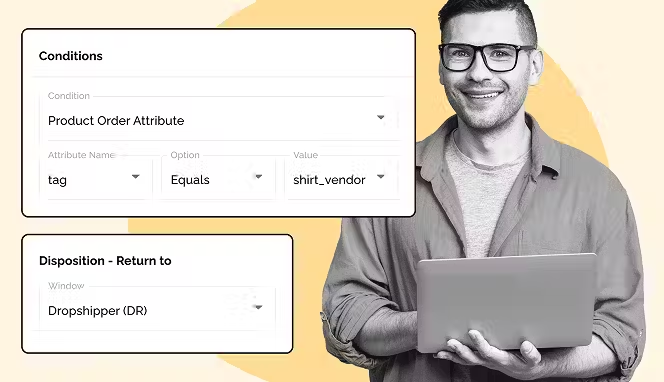
Artificial intelligence is changing how we build processes. Instead of manually coding a 61-step approval chain, you can now describe your desired workflow in plain English and let the software assemble it . Imagine telling a tool, "When a return request is approved, notify the supplier and issue a store credit to the customer." The AI can create those automation rules for you. This is incredibly useful for standardizing how you handle advance return notifications. You set the context once your return policy, your supplier's address, and your refund thresholds and the AI ensures every request follows the same path. This removes the human error of forgetting to cc the supplier on an important email.
Returns Management Platforms
Specialized returns apps are the command centers for your reverse logistics. Tools like EcoReturns or Aftership Returns Center integrate directly with your ecommerce platform. They offer branded return portals where customers can initiate requests without emailing you. These platforms automatically check if the item is within the return window and present the reasons based on your rules. For the Amazon dropshipping returns process, or any marketplace integration, these tools help you maintain compliance.
They automate label generation and, most importantly, they log data. You can see at a glance if a specific supplier has a 20% return rate due to sizing issues, allowing you to address the root cause rather than just treating the symptom. You can check out some of the best returns and exchanges apps to find the right fit for your store.
Supplier Collaboration Tools
Communication is the weakest link in dropshipping. Email gets lost, spreadsheets get outdated. Tools that facilitate direct collaboration, like the ones found in platforms such as Doba or even dedicated Slack channels, create a single source of truth. When a return is approved, the tool can automatically create a task for the supplier to expect the incoming package. This shifts the procurement workflow from "ask and hope" to "tell and confirm."
It also creates an audit trail. If the supplier claims they never received the return, you have a digital record of the notification and tracking information. This protects you in disputes and helps maintain a healthy partnership. Understanding how dropshipping returns management works with these tools is key to scaling your business.
Complete Customer and Vendor Product Return Workflow in 2026
The modern returns process is no longer a straight line. It is a loop that involves verification, authorization, and reconciliation. By 2026, the most efficient dropshippers will treat returns as a data-gathering exercise, not just a financial headache. The workflow below outlines the steps from the moment a customer clicks "return" to the moment the money or credit is issued.
Step 1: Customer Initiation and Verification
The workflow begins on your website. Instead of the customer writing a frantic email, they log into a return portal. They select the order and the item, and choose a reason from a dropdown menu (e.g., "Damaged," "Wrong Size," "Not as Described"). The system immediately checks the purchase date against your policy. If it is within 30 days, the request is auto-approved. If it is outside the window, it gets flagged for your review. At this stage, the system asks for visual proof. The customer uploads a photo of the damage or the incorrect item. This visual evidence is critical for the next step: supplier communication.
Step 2: Supplier Notification and Return Authorization
Once the customer request is verified (either automatically or by you), the system triggers a notification to the supplier. This is where you move from a simple refund to a proper return to supplier event. The notification includes the order number, the customer's name, and the photos provided. You are essentially asking, "Do you accept this return, and where should it go?" The supplier responds with a return shipping address and any internal tracking numbers they require. This step ensures that the customer returns with direct shipment from customer to supplier is expected on the other end. Without this, the package might sit on a loading dock for weeks.
Step 3: Logistics and Customer Communication
After the supplier confirms, the system sends a return shipping label to the customer. Depending on your policy, this label might be prepaid by you (deducted from the refund) or the customer might need to pay for it themselves. The communication must be crystal clear: "Please pack the item securely, attach this label, and drop it off at the carrier location." The workflow then goes silent for a few days. During this time, the system monitors tracking data. Once the tracking shows "Delivered" at the supplier's warehouse, it automatically notifies the supplier that the item is now in their hands and asks for confirmation of inspection. This creates a seamless handoff from request to payment closure.
Step 4: Inspection and Resolution
The supplier inspects the returned item. If it is indeed damaged or defective, they confirm this in the portal. This confirmation triggers the final step in the workflow: the issuance of a refund or a replacement. If you are using advanced systems, this might mirror the logic found in complex ERP systems where a return to supplier in SAP generates a credit memo that then flows down to a customer refund. In your store, this means the customer gets their money back, and you get a credit from the supplier. The workflow logs the final outcome, closing the loop. This data then feeds back into your product insights, helping you decide whether to keep listing that item. Knowing what are returns to suppliers and how they are processed helps you negotiate better terms.
Key Steps to Improving Your Workflow in Dropshipping Returns Management
Improving your workflow is an ongoing process of tightening the screws. You want to reduce the time it takes to close a loop and increase the accuracy of your decisions. A good workflow protects your margins while keeping customers happy. The goal is to create a better returns process than your competitors.
1. Standardize Supplier Onboarding
Do not wait for a return to happen to ask about the policy. Create a supplier agreement template that outlines who pays for return shipping, what the time limits are, and where the goods should be sent. Make signing this a prerequisite for doing business. This turns the vague concept of what are returns to suppliers into a concrete, contractual obligation.
2. Automate the Low-Touch Decisions
Set up rules in your returns app to auto-approve refunds for items under a certain dollar amount without requiring the customer to ship them back. If a $10 item arrives with a scratch, the shipping cost to return it to China is not worth it. Tell the customer to keep it or donate it, and process the refund . This closes the ticket instantly and builds immense goodwill.
3. Create a Supplier Scorecard
Track your dropshipping suppliers religiously. Note how often they cause returns (due to quality issues) and how quickly they process incoming returns. If a supplier is slow to credit you for a return to supplier issue, that eats into your cash flow. Use this data to decide who your preferred partners are.
4. Build a Knowledge Base for Customers
Use the data from return reasons to create FAQs and troubleshooting guides on your site. If people are returning a gadget because they can't figure out how to turn it on, create a video. Put it on the product page. This preemptive strike answers questions before they become returns .
Tips for Making the Best Dropshipping Returns Processes
Your returns process is a customer experience touchpoint. Handled well, it can turn a detractor into a promoter. The goal is to make the process feel fair and effortless, even when the logistics are complicated. A clear dropshipping return policy is the foundation of this effort.
- Offer Instant Store Credit: When a customer requests a return, present store credit as the fastest option. Offer a small bonus, like an extra 10% credit if they choose this route over a cash refund. This keeps the money in your ecosystem and reduces the immediate cash outflow .
- Master the Art of the Partial Refund: For minor issues like a slight delay or a small cosmetic defect, offer a partial refund (20-50% off) and let the customer keep the item. This is often cheaper than processing a full return and reshipping. It aligns with the concept of how dropshipping returns management works in the real world: sometimes the best return is the one you don't physically process .
- Use Visual Verification for Fraud Prevention: Always ask for photos. This single step weeds out people who are trying to scam the system. It also gives you undeniable proof when you go back to the supplier to request your own credit for the defective item. This is a non-negotiable step in any better returns process.
Mistakes to Not Make When Building Your Dropshipping Returns Processes
Building a workflow is about anticipating failure points. There are common traps that store owners fall into that turn a manageable process into a business-killing drain. Avoid these mistakes to keep your operation healthy. Understanding how to handle returns to vendors can save you from these pitfalls.
- Assuming All Suppliers Are the Same: Every supplier has a different policy. Some accept returns easily; some fight every claim. Do not apply a blanket store policy without understanding the nuances of each supplier's rules. If you promise "free returns" but your supplier charges a restocking fee, you will eat that cost every single time. Understand the what is the return to supplier process in SAP or whatever system they use, and mirror it in your own rules.
- Ignoring the Return Shipping Cost: Return shipping from a customer in New York to a supplier in California can cost $15. If you are selling a $20 item, that math does not work. You must have a policy for low-cost items that circumvents this, such as the "keep it" policy mentioned earlier. Failing to account for this logistics cost will wipe out your profit on multiple sales. You need to know how to cut dropshipping returns costs to protect your margins.
- Waiting Too Long to Process Refunds: Cash flow is the lifeblood of dropshipping. If you wait three weeks to process a refund because you are waiting on the supplier, you annoy the customer and risk a chargeback. Your workflow must have a time limit. If the supplier hasn't confirmed receipt within 7 days of delivery, you should have a rule to refund the customer out of your own pocket and then fight the supplier separately. It is better to be out of pocket to a slow supplier than to be out of pocket to an angry customer AND the credit card chargeback fees.
- Having a Complicated Return Process: If a customer has to fill out a three-page PDF and mail it back to you, they will give up and file a chargeback with their bank. A chargeback is a loss of the product, the shipping, and usually an extra fee. Your return process must be easier than the chargeback process. Keep it digital, keep it simple, and keep it fast.
Conclusion
Building a structured returns workflow with your supplier is not just about fixing problems; it is about building trust. Every return is a conversation with your customer, and a smooth, fair process tells them you stand behind your products. By taking the time to define roles, choose the right tools, and map out the steps from the first email to the final refund, you turn a potential disaster into a demonstration of your reliability. The effort you put into creating this system pays off in customer loyalty and a healthier bottom line. Want to streamline your dropshipping returns process? Use Spocket today!
Start your dropshipping business today
Dropshipping Returns Process FAQs
What is the difference between a customer refund and a return to supplier?
A customer refund is the money you give back to the buyer. A return to supplier is the process of sending the physical product back to your vendor to get your own money back. In dropshipping, you typically need the return to supplier to be successful before you can afford to issue the full customer refund, unless you have a policy that allows you to refund first and deal with the supplier later.
How do I handle returns if my supplier is in another country?
International returns are usually cost-prohibitive. In this case, your workflow should rarely involve physical shipping. Instead, use a "keep it" policy where you issue a partial or full refund without requiring the item back. You can then negotiate with the supplier for a credit or replacement on your next bulk order. This avoids the massive shipping and customs costs associated with customer returns with direct shipment from customer to supplier across borders.
Can I automate the entire dropshipping returns process?
Yes, to a large extent. Using platforms like AfterShip or EcoReturns, you can automate the return authorization, customer communication, and label generation . However, the physical inspection by the supplier usually remains a manual step. You can automate the notification of that inspection, but a human still needs to look at the item to confirm it is defective. This blends automation with necessary human oversight.
What does "advance return" mean in supplier management?
An advance return generally refers to a scenario where you issue a refund to the customer before the supplier has physically received and inspected the item back at their warehouse. This is done to improve customer experience and speed. It is a risk-based decision, often used for loyal customers or low-cost items, trusting that the supplier will honor the return to supplier request later.
How do I track supplier performance in my returns workflow?
You should track metrics like "return rate by supplier" and "average time to supplier credit." If you are using a manual system, a simple spreadsheet works. For advanced tracking, look for tools that offer analytics. Understanding this data helps you improve your procurement workflow by weeding out vendors with poor quality or slow refund processes. You are essentially building your own version of SAP advanced returns management insights on a smaller scale.
Is the dropshipping returns process different for Amazon dropshipping?
Yes, strictly. The Amazon dropshipping returns process is governed by Amazon's A-to-Z Guarantee. If you are dropshipping on Amazon, you must adhere to their return policies, which are often very buyer-friendly. You cannot create your own custom workflow that violates Amazon's terms. You must ensure your supplier can meet Amazon's strict return windows and labeling requirements, or you risk having your seller account suspended.


Launch your dropshipping business now!
Start free trial.avif)


Related blogs
Dropshipping Supplier Directory: Where to Find Vetted Suppliers
Browse our directory of vetted dropshipping suppliers across the US and EU, complete with niches, shipping speed, and pricing. Start your free trial today.

How to Negotiate With Dropshipping Suppliers: 9 Tactics That Actually Work
Learn how to negotiate with dropshipping suppliers on price, MOQs, and payment terms. Proven tactics and email scripts to boost your margins. Try Spocket free.

Best Clothing Dropshipping Suppliers: The 2026 Guide
Compare the best clothing dropshipping suppliers for 2026 — US/EU shipping speeds, pricing, and product quality — and find the right fit to launch your store.