How to Build an Email List for a Dropshipping Store From Scratch?
How to build an email list for a dropshipping store from scratch? Use simple pages, daily emails, and audience outreach without paid ads.
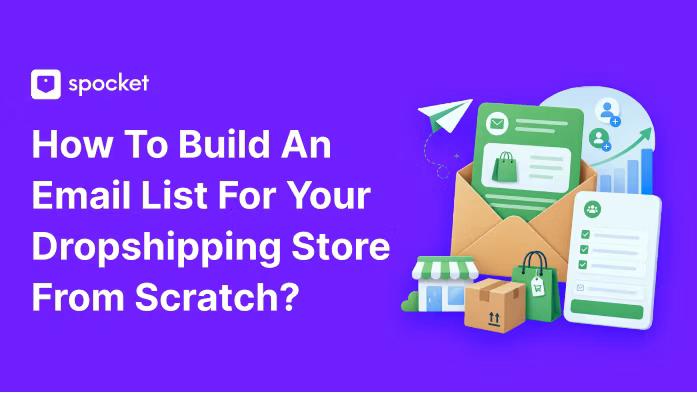

You do not need a complicated business to start collecting subscribers. You need a clear reason for people to give you their email address, a simple page that captures it, and a reason for them to keep reading after they join.
Many store owners make the process feel heavier than it needs to be. They think they need complex funnels, big ad budgets, or a huge team before they can begin. You will get a clearer path here: a simple list system, daily story-based emails, free traffic through other people’s audiences, and a practical way to track who to contact next.
What Is an Email List?
An email list is a group of people who have given you permission to contact them by email. In the raw notes, the basic setup is simple: a page asks for an email address, the person joins the mailing list, and the business sends emails that point back to one main offer.
For a store, that list can support product education, product launches, repeat visits, and stronger customer relationships. If you are learning dropshipping, the list gives you a way to talk to people after they leave your store.
A simple list has three parts:
- Capture page: A single page asks for the email address.
- Main offer: The business knows what it wants to sell after someone joins.
- Daily email habit: The sender talks to the list often instead of sending one campaign and disappearing.
That is the base for how to build an email list without turning the project into a large operation.
Why Does a Simple Business Model Come First?
Simplify the business before chasing subscribers. A list becomes harder to use when the business has too many offers, too many funnels, and no clear next action.
The example used in the transcript is Ben Settle. His model is described as one landing page, one mailing list, one main paid product, and daily emails about that paid product. We can say he has sent emails almost every day for years and uses the same main offer repeatedly.
That matters because many business owners send a few emails about a product and then go quiet. The transcript argues that customers can hear about the same offer many times when the emails are written as stories rather than stiff company updates.
For a store, the lesson is direct. Do not create a complicated funnel before you know what the list is meant to do. If you sell through Spocket, your list still needs one clear job, such as sending people back to products, offers, or educational pages that help them decide what to buy.
The same idea applies to an email list for dropshipping. You do not need a large campaign library on day one. You need a capture page, a clear offer path, and emails people do not mind opening.
Types of Email Lists You Can Create
We can point to a few list paths that fit a simple online business.
1. Main Offer List
A core offer list is centered on one main product, service, newsletter, or store offer. The raw example is a printed newsletter sold each month, with daily emails pointing back to it.
2. Story-Driven List
A story-driven list grows when emails feel more like a personal note than a corporate newsletter. The transcript calls these daily Seinfeld emails because they use simple everyday stories and connect those stories back to the offer.
3. Audience Outreach List
An audience outreach list grows when you appear in front of people who already gather around your topic. Mention podcast interviews, speeches, webinars, seminars, guest presentations, and corporate training.
If you have no paid ad budget, a useful presentation can put you in front of someone else’s audience.
4. Store Education List
A store education list helps subscribers understand what you sell and why it matters. A store might use emails to explain product choices, sourcing details, product categories, or order terms.
For example, a store can connect product research to pages on trending dropshipping products or explain product models such as Print-on-demand when those pages support the buying path.
Best Tools for Building Your Email List
Here are some of the best tools for building your email lists online from scratch:
1. A Landing Page
A landing page asks for the email address. In the raw notes, this page is the front door of the whole system.
The page needs to tell people why they should join, collect the email address, and connect the subscriber to the next part of the business.
2. Daily Story Emails
Daily story emails are the follow-up system. The raw notes describe them through the Seinfeld idea, where the email starts with a simple story and ends by pointing back to the offer.
For store owners, this is where email marketing becomes more than discounts. Treat email as a daily relationship channel, not only a place to send polished announcements.
3. Apple Podcasts
Apple Podcasts is used as a research tool for finding shows by category. The process is simple: open the app, browse categories, choose the relevant market, and list shows where your audience already listens.
4. Trello
Trello is a way to organize the Dream 100 list. The example board uses columns for community groups, fan pages, social accounts, podcasts, video channels, mailing lists, and blogs.
This setup is useful for email lists for dropshippers because product stores often jump between content, suppliers, ads, and social posts.
How to Build an Email List for Your Dropshipping Store From Scratch
Here is how to build an email list for your dropshipping store from scratch:
1. Choose One Main Offer Path
Start by deciding what the list is meant to support. A store can use one product category, one main offer, or one shopping path.
For dropshipping email lists, the offer path might connect to product education, store categories, shipping terms, or supplier-related notes. If order quantity matters to your audience, you can point them to a page explaining that Spocket has no MOQs when it supports the email topic.
2. Create a Capture Page
The capture page should ask for the email address and set the expectation. In the transcript, this is the simple doorway into the business.
Avoid adding too many choices on the page. The page has one job: get the right person onto the mailing list.
If you are figuring out how to build an email list for the first time, do not wait for a perfect page. A clear page with one sign-up action gives every outreach effort a destination.
3. Write Daily Story Emails
The daily story email has a hook, a story, and an offer. The hook gets attention in the inbox. The story holds attention. The offer tells readers what to do next.
A store can use the same pattern. You can write about a customer question, a product choice, a sourcing decision, or a simple lesson from running the store.
4. Publish Your Goal Publicly
Eric Loughlin showed how public posting can create attention. He set a goal to give 550 speeches in a year and posted updates as he made progress.
Early updates were small. He had seven speeches by January 4, 12 by January 6, 18 by January 8, 32 by January 13, and 50 by January 17. By February 28, we can say he had reached 157 speeches, and by March 19 he had 202.
5. Send People Back to Your Page
Every presentation, interview, podcast, webinar, or guest spot should point people back to the capture page. Without that step, attention comes and goes.
This is one of the simplest answers to how to build an email list without paid ads. You borrow attention through appearances, then give listeners a clear place to subscribe.
How to Use Free Traffic and the Dream 100?
We separate paid traffic from free traffic. Paid traffic means buying exposure through platforms such aa Google Ads, Facebook, or Instagram. Free traffic means earning exposure by getting your message in front of other people’s audiences.
1. Find Where Your Audience Already Gathers
The Dream 100 process has two parts. First, decide who your ideal customer is. Second, list where those people already gather.
Cover podcasts, Facebook groups, fan pages, Instagram accounts, YouTube channels, mailing lists, and blogs. A wrestling product points to wrestling groups. A photography offer points to photography groups.
2. Use Presentations to Reach New People
A presentation can be a podcast interview, sales meeting, seminar, webinar, keynote, guest training, or corporate session. We define a speech as anything that affects two or more people.
You do not need a huge stage to begin. You need a useful message and a small audience that matches your future buyers.
3. Contact Podcast Hosts in Your Niche
The podcast example is clear. Open Apple Podcasts, browse by category, choose the niche that fits your market, and list relevant shows.
Then message hosts with a presentation idea. Some people will ignore you, and some will decline. A few yeses can still create your next set of appearances.
4. Start One Level Above You
We warn against chasing only the biggest names first. People one level above your current audience may be easier to reach.
If your list has 1,000 people, a creator with 10,000 people may be more reachable than the largest name in the market. After your own list grows, you can move to the next level.
This is one of the more practical lessons in how to build an email list. Start with people close enough to respond.
Top Mistakes to Avoid When Growing an Email List
Here are top mistakes to avoid when growing your email list:
- Making the business too complex: Too many funnels, offers, and moving pieces make email harder to use. Start with one main offer path.
- Sending stiff company newsletters: We warn against emails full of formal updates, numbers, and corporate language. People open emails that hold attention.
- Talking about the product only once: We have seen the same offer being mentioned repeatedly through different stories. A few emails are rarely enough.
- Chasing only the biggest names: Large audience owners may not reply when you are new. Start one level above your current audience size.
- Leaving traffic without a destination: Guest appearances need a capture page. Without it, listeners may like the message but never join the list.
How to Make the Most Out of Email Lists for Business?
Once people subscribe, the work shifts from traffic to relationship. The transcript suggests one main habit: talk to the list often, and make the email worth reading.
That does not mean every email needs a new product. It means each email can use a new story to point back to the same offer. The story does the work of making the email feel fresh.
If you are using email marketing lists for beginners’ content to understand the basics, bring the lesson back to action. A list is useful when subscribers know why they joined, hear from you often, and get clear next steps.
Here is a simple weekly rhythm:
- Story email: Share a real moment and connect it to a product or offer.
- Audience email: Mention a podcast, webinar, or presentation and invite readers to join the list path.
- Product email: Talk about one product category or buying reason.
- Proof email: Share a public goal update, a lesson learned, or a customer question.
- Offer email: Bring readers back to the same main offer without rewriting the same pitch.
That is how to build an email list with free traffic. Create the page, write the emails, find existing audiences, pitch useful presentations, and send people back to subscribe.
Conclusion
The smartest list starts with a simple promise, a clear page, and emails people want to keep opening. You do not need a complicated setup to begin, but you do need a reason for subscribers to care after they join.
Choose one main offer path, collect the email address, write story-based emails, and reach people through audiences that already exist. When those pieces work together, the list becomes an asset you can use repeatedly.
Start your dropshipping business today
How to Build an Email List for Your Dropshipping Store from Scratch FAQs
What is the first step in how to build an email list?
The first step is to create one clear capture page that asks for an email address. The raw notes keep the setup simple: a page, a mailing list, and one main offer behind it. Once that page exists, every guest appearance, post, podcast, or presentation has a destination where interested people can subscribe.
How often should I email my list?
The transcript favors daily emails when the sender can make them story-based and useful. The point is not to repeat the same sales pitch every day. The email should start with a hook, tell a real story, and connect that story back to the offer or store page the reader should visit next.
What makes daily story emails different from newsletters?
Daily story emails use a real moment, lesson, or observation to hold attention before pointing to an offer. You can contrast this with formal newsletters full of corporate updates and dry information. Story emails can mention the same product many times because each email approaches it through a different situation, lesson, or reader problem.
Can I grow a list without paid ads?
Yes, you can get free traffic through presentations, podcasts, webinars, interviews, videos, and audience owners. The process starts by finding where your ideal customers already gather. Then you pitch a useful topic, appear in front of that audience, and send interested listeners or viewers back to your capture page to subscribe.
What is the Dream 100 in email list building?
The Dream 100 is a list of people, shows, groups, blogs, channels, and mailing lists that already have the audience you want. We suggest grouping them by channel, then pitching presentations or interviews. You can start with people one level above you instead of chasing the largest names first in your market.


Launch your dropshipping business now!
Start free trial.avif)


Related blogs
Dropshipping Supplier Directory: Where to Find Vetted Suppliers
Browse our directory of vetted dropshipping suppliers across the US and EU, complete with niches, shipping speed, and pricing. Start your free trial today.

How to Negotiate With Dropshipping Suppliers: 9 Tactics That Actually Work
Learn how to negotiate with dropshipping suppliers on price, MOQs, and payment terms. Proven tactics and email scripts to boost your margins. Try Spocket free.

Best Clothing Dropshipping Suppliers: The 2026 Guide
Compare the best clothing dropshipping suppliers for 2026 — US/EU shipping speeds, pricing, and product quality — and find the right fit to launch your store.