How to Sell Stock Photos: Tips, Platforms, and Proven Strategies
Learn how to sell stock photos online with proven tips, best platforms, pricing strategies, and licensing insights to earn consistent passive income.

.avif)

Stock photography is all about capturing high-quality images and licensing them to businesses, marketers, bloggers, and brands for commercial use. From website banners and ads to social media posts and product listings, brands buy stock photos because they save time, reduce costs, and offer professional visuals without hiring photographers.
Selling photos online is still profitable because the demand for fresh, authentic, and diverse images continues to grow. Businesses, ecommerce stores, and content creators constantly need visuals that connect with real audiences. Even simple photos can generate passive income over time.
This guide is for beginners exploring photography, professional photographers looking to monetize their work, and creators who want to earn online. You’ll learn how to sell stock photos step by step, choose the right platforms, optimize images, and build consistent earnings by selling photos online.
What Are Stock Photos?
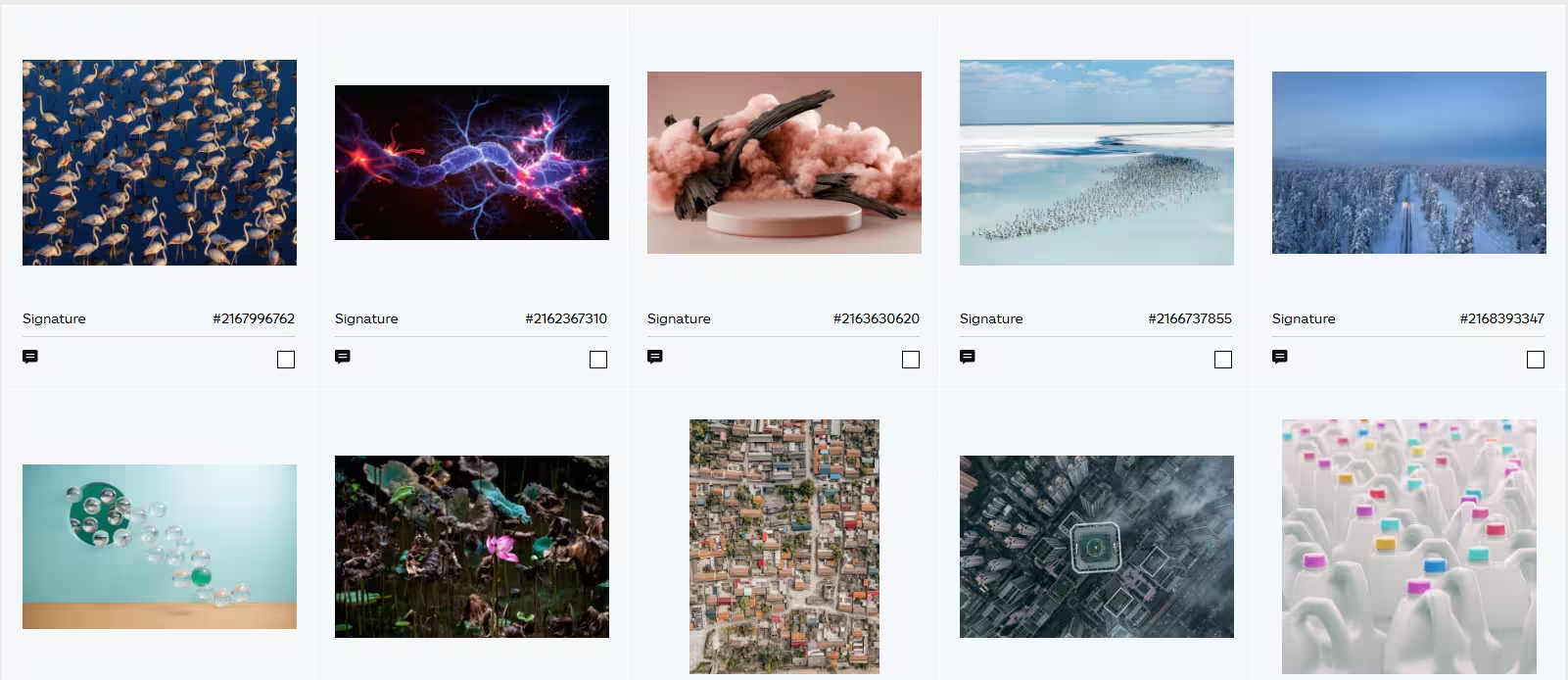
Stock photos are pre-shot, ready-to-use images that individuals and businesses can license for use in websites, ads, blogs, social media, product pages, presentations, and more—without hiring a photographer or creating visuals from scratch.
They’re created by professional photographers and contributors, uploaded to stock libraries (like Shutterstock, Adobe Stock, iStock, etc.), and then offered to users through paid licenses or free download terms.
Understanding How to Stock Photos Selling Works
Selling stock photos online is one of the easiest ways to turn creative work into recurring income to make money online from photography. Before uploading images, it’s important to understand how stock photography actually functions and what buyers are looking for. This clarity helps you create photos that sell consistently rather than randomly uploading images and hoping for results.
At its core, stock photo selling is about licensing images for commercial use. Knowing how platforms operate, how you get paid, and what contribution model suits you best lays a strong foundation for long-term success.
What Stock Photo Marketplaces Do
Stock photo marketplaces connect photographers with businesses that need visuals. These platforms host your images, categorize them, promote them to buyers, manage licenses, and handle payments. This removes the need for you to find clients individually, making selling photos online scalable and accessible for creators at all levels.
Royalty-Based Income
Instead of selling photos outright, you earn royalties every time your image is downloaded. This means a single photo can generate income multiple times over months or even years. While earnings per download may seem small initially, a well-optimized portfolio can grow into a steady passive income stream.
Exclusive vs Non-Exclusive Contributors
Choosing between exclusive and non-exclusive contributions impacts your reach and earnings. Non-exclusive contributors can upload images to multiple platforms, increasing exposure. Exclusive contributors earn higher royalties but are limited to one marketplace. Beginners often benefit from staying non-exclusive while learning which platforms perform best.
Types of Stock Photos That Actually Sell
Not all images perform equally in stock photography. Focusing on categories with proven commercial demand significantly improves your chances of success.
Lifestyle and People Photography
Lifestyle images showing real people in everyday situations perform extremely well. Buyers prefer authentic emotions, natural lighting, and relatable scenes that reflect real life rather than staged poses.
Business, Technology, and Remote Work Visuals
Modern business visuals are in constant demand. Images featuring laptops, remote work setups, team collaboration, AI tools, and digital workflows are widely used in blogs, SaaS websites, and marketing campaigns.
Ecommerce, Product, and Branding Photos
High-quality product and branding photos are essential for online businesses. Clean compositions, neutral backgrounds, and lifestyle product shots help brands showcase products professionally across websites and ads.
Abstracts, Backgrounds, and Concepts
Abstract visuals, textures, and conceptual imagery offer flexibility for designers. These photos are popular for presentations, social media graphics, and website backgrounds because they adapt easily to different creative needs.
What You Need to Start Selling Stock Photos
Before you start uploading images, it’s important to set the right foundation. Selling stock photos online isn’t about owning expensive gear or advanced skills—it’s about meeting marketplace standards and understanding what buyers expect. With the right tools, basic legal knowledge, and attention to quality, anyone can learn how to sell stock photos successfully.
Camera vs Smartphone Photography
You don’t need a professional camera to sell stock photos online. Many stock photo platforms now accept high-quality smartphone images, as long as they are sharp, well-lit, and properly composed. Modern smartphones capture images that meet resolution and clarity requirements for most marketplaces.
That said, DSLR or mirrorless cameras give you more control over depth, lighting, and image quality. They are useful for commercial shoots, product photography, and low-light conditions. Beginners can confidently start with a smartphone and upgrade later as they grow their portfolio and earnings.
Editing Tools and File Quality Requirements
Editing plays a key role in stock photography. Simple adjustments like exposure correction, color balance, cropping, and noise reduction help images look professional. Tools such as Adobe Lightroom, Photoshop, or mobile editing apps are commonly used by contributors.
Stock photo websites require images to be free from blur, noise, watermarks, and excessive filters. Files should be high-resolution, properly framed, and saved in accepted formats like JPEG. Clean, natural edits tend to perform better than heavily stylized images.
Model Releases and Property Releases
If your photos include recognizable people, you’ll need a signed model release. This document gives permission to use the image for commercial purposes. Similarly, property releases are required for private locations, branded interiors, or identifiable buildings.
Having releases ready increases approval rates and expands where your photos can be licensed. Many platforms provide downloadable release templates, making compliance simple even for beginners.
Legal Basics Every Contributor Must Know
Understanding legal guidelines is essential when learning how to sell stock photos. Avoid logos, trademarks, copyrighted artwork, and brand names unless properly cleared. Photos must be original and owned entirely by you.
Following these legal basics protects your account, builds trust with marketplaces, and ensures your images remain available for long-term sales. When done correctly, selling photos online becomes a reliable and sustainable income source.
Best Platforms to Sell Stock Photos Online
Choosing the right platform plays a major role in how successfully you sell stock photos online. Each marketplace has its own approval process, audience, and earning structure. Understanding these differences helps you upload strategically, reach the right buyers, and maximize long-term income from selling photos online.
1. Shutterstock
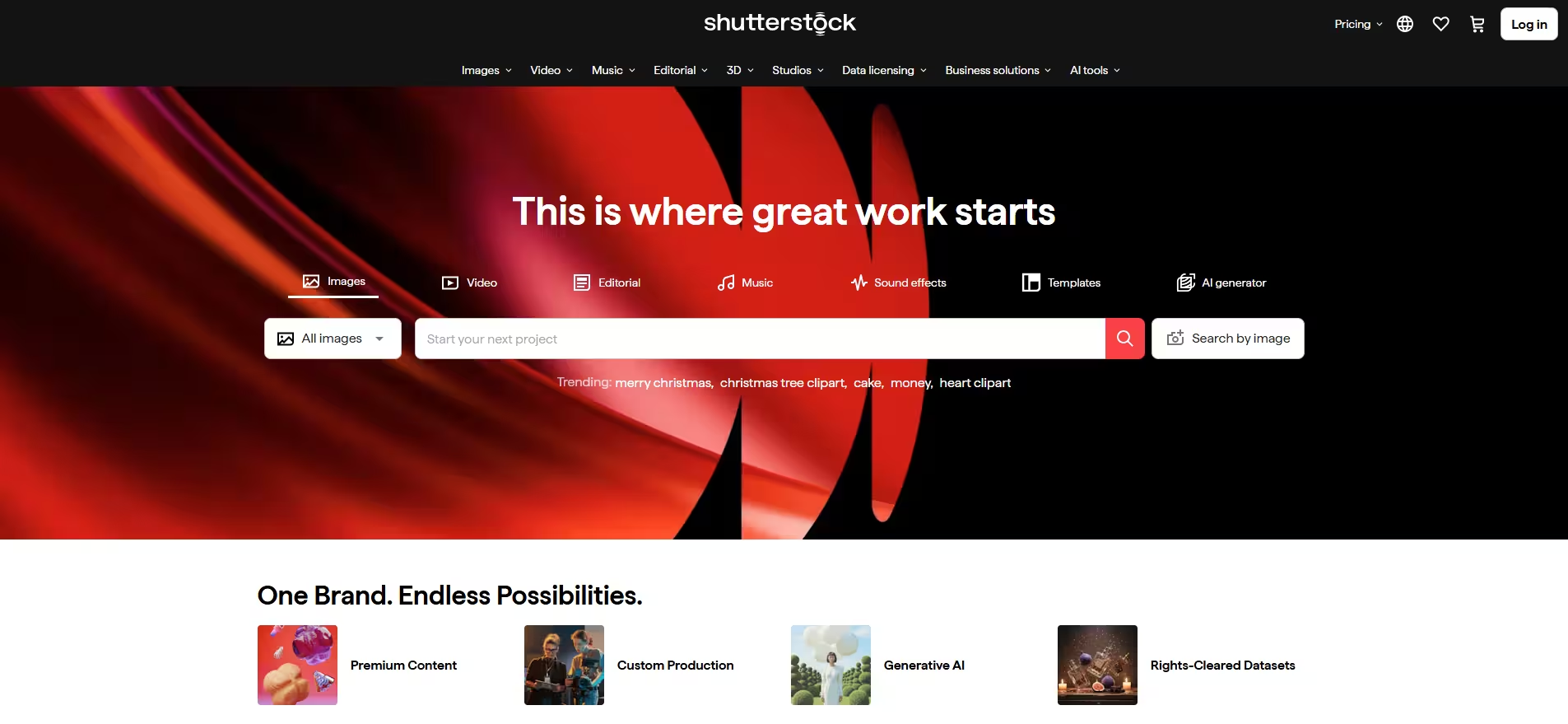
Shutterstock is one of the largest and most established stock photo marketplaces in the world. It serves millions of businesses, agencies, publishers, and marketers, making it a strong starting point for anyone learning how to sell stock photos online. Its massive buyer base gives contributors consistent exposure across industries.
Contributor Process
Getting started on Shutterstock is straightforward. You sign up as a contributor, submit a small set of images for review, and once approved, you can upload content regularly. Shutterstock allows photos, illustrations, vectors, and videos, making it flexible for different creators.
The contributor dashboard is beginner-friendly and provides detailed insights into downloads, earnings, trends, and portfolio performance. This transparency helps contributors understand what types of images sell best and refine their strategy over time.
Approval Criteria
Shutterstock maintains strict quality standards. Images must be sharp, well-exposed, correctly white-balanced, and free from noise, compression artifacts, or excessive editing. Beyond technical quality, Shutterstock places strong emphasis on commercial intent. Photos should clearly communicate a concept that businesses can use for ads, websites, social media, or editorial content.
Consistently uploading relevant, well-keyworded images significantly improves approval rates and visibility.
Earnings Potential
Shutterstock operates on a tiered royalty system based on lifetime downloads. As your total downloads increase, your royalty percentage improves. While early earnings may feel slow, contributors with large, optimized portfolios often build reliable passive income. Images that solve business needs—such as marketing, ecommerce, and branding visuals—tend to perform best long term.
Adobe Stock
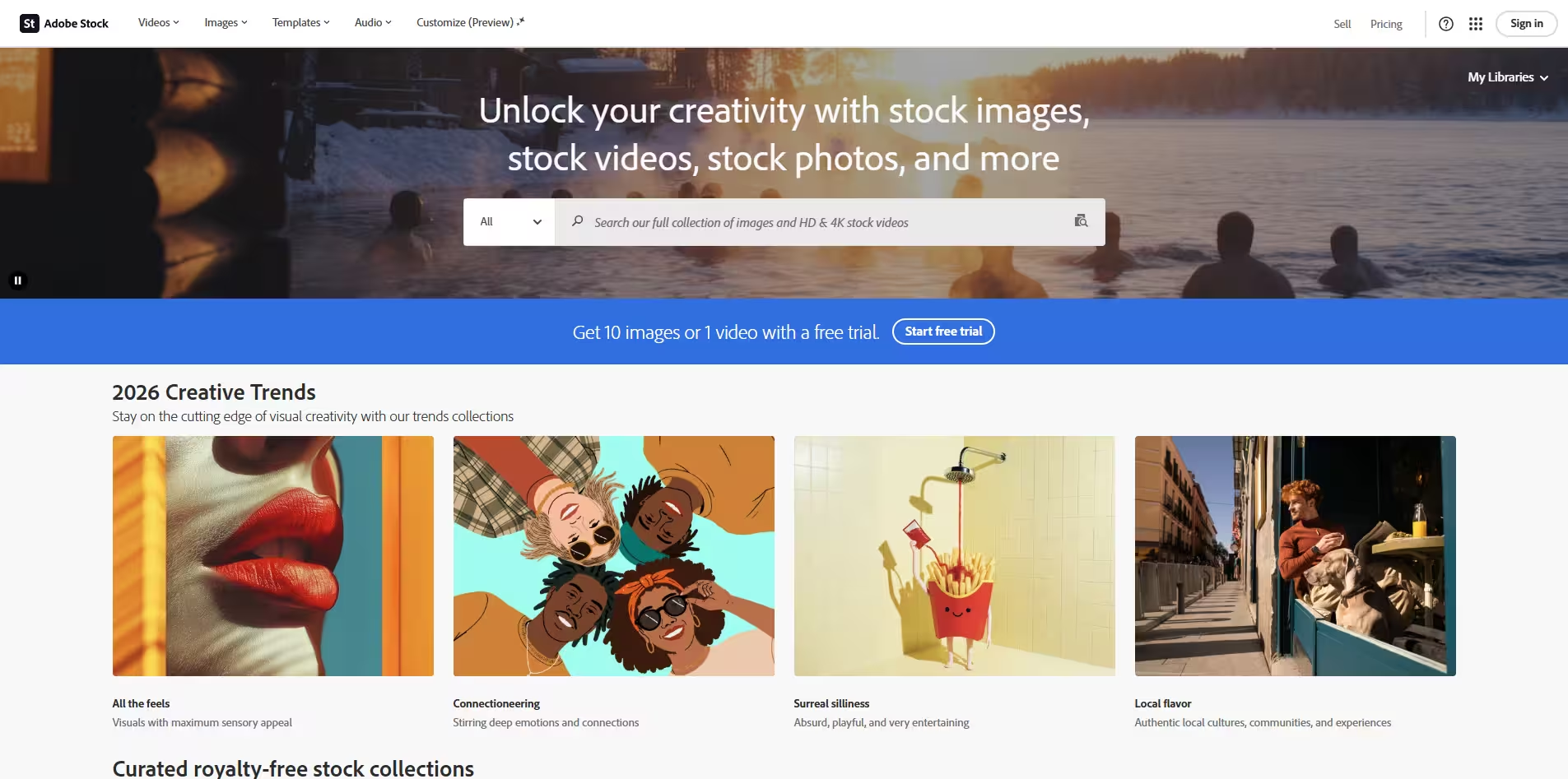
Adobe Stock is a premium stock photo platform trusted by designers, agencies, and creative professionals worldwide. Its direct connection to Adobe’s ecosystem makes it especially powerful for contributors targeting high-quality, design-focused buyers.
Integration with Creative Cloud
Adobe Stock’s seamless integration with tools like Photoshop, Lightroom, and Illustrator is a major advantage. Contributors can upload images directly from their editing workspace without switching platforms. This streamlined workflow saves time and encourages consistent uploading, which is crucial for growing visibility and earnings.
Royalty Structure
Adobe Stock offers one of the more contributor-friendly royalty rates in the stock photography space. Contributors earn a fixed royalty per download, regardless of subscription type. This creates predictable earnings and makes Adobe Stock appealing for photographers focused on long-term portfolio growth rather than volume alone.
Best Content Types
Adobe Stock buyers value clean, modern, and versatile visuals. Business, technology, innovation, lifestyle, wellness, sustainability, and minimalist concepts perform especially well. Authentic images that feel natural rather than staged resonate strongly with Adobe’s design-centric audience and often see higher reuse across projects.
iStock by Getty Images
iStock is backed by Getty Images, one of the most trusted names in visual media. This gives contributors access to high-value commercial buyers who are willing to pay more for quality, credibility, and exclusive visuals. If your goal is to sell stock photos online with higher per-download value, iStock is a strong platform to consider.
Exclusive vs Non-Exclusive Earnings
iStock offers two contribution models. As a non-exclusive contributor, you can upload photos to multiple stock photo websites, which gives flexibility but lower royalty rates. Exclusive contributors, on the other hand, earn significantly higher royalties and gain access to Getty Images’ premium customer base.
Exclusivity works best for photographers with strong portfolios, consistent uploads, and images that meet premium commercial standards. Many creators start non-exclusive, analyze performance, and move to exclusivity once they see stable demand.
Pricing Tiers
iStock uses a tiered pricing system based on image quality, exclusivity, and buyer usage. Premium collections command higher prices, meaning fewer downloads can still result in meaningful income. Images with strong commercial intent—business, healthcare, finance, and lifestyle—tend to perform best within higher tiers.
Wirestock
Wirestock is designed to simplify the entire stock photography process, making it especially appealing for beginners learning how to sell stock photos online. Instead of managing multiple platforms separately, Wirestock centralizes everything into one workflow.

One Upload, Multiple Marketplaces
With Wirestock, you upload your photos once, and the platform distributes them across multiple stock photo marketplaces, including Shutterstock, Adobe Stock, and others. This increases visibility, reach, and earning potential without requiring separate accounts or repeated uploads.
Automation Benefits for Beginners
Wirestock handles keywording, formatting, quality checks, and submissions automatically. This removes technical barriers and reduces rejection risks for new contributors. For creators who want to focus on shooting and editing rather than metadata and platform rules, Wirestock offers a highly efficient entry point into selling photos online.
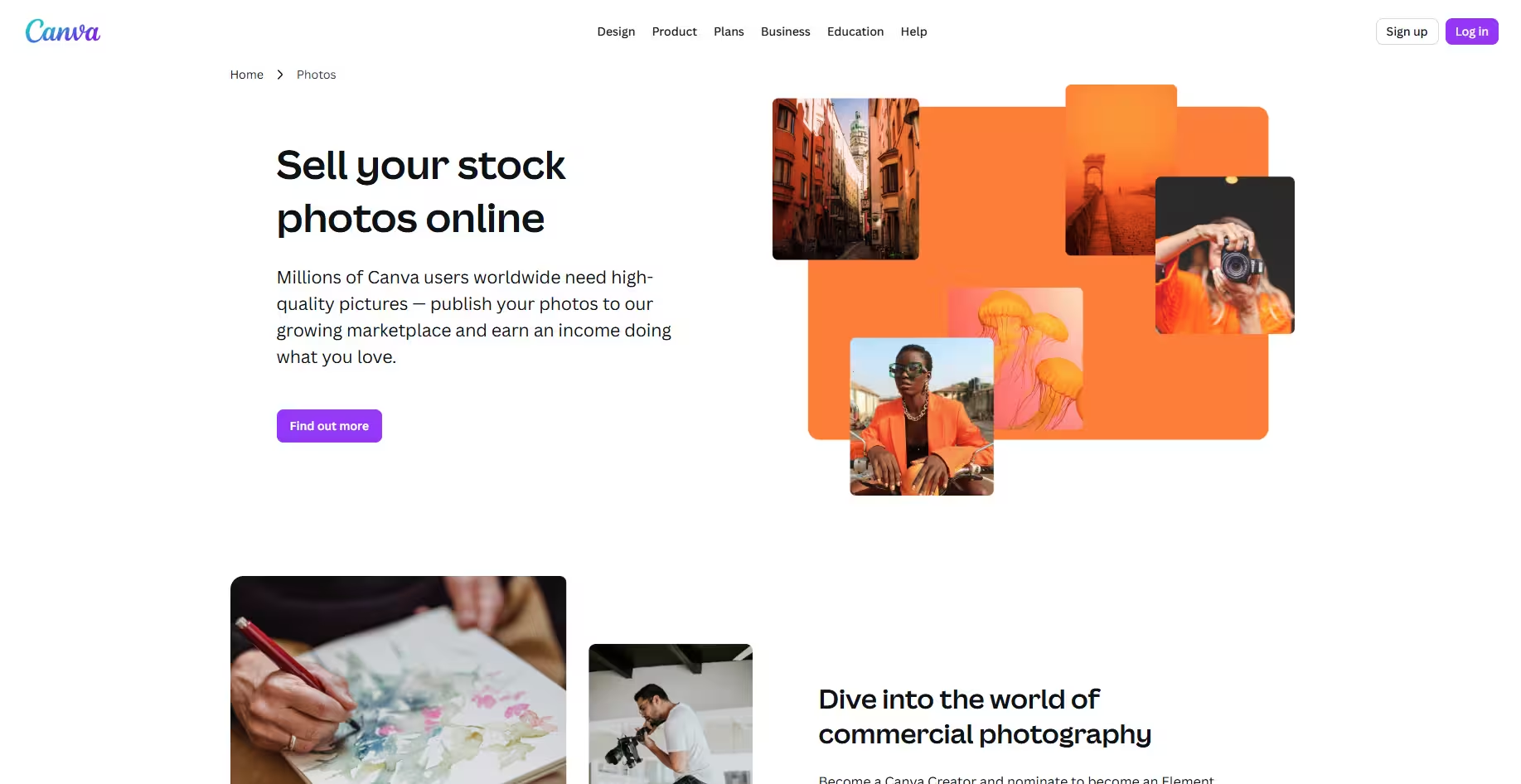
Canva Creators Program
The Canva Creators Program is ideal for photographers and designers who want consistent exposure rather than traditional per-download sales. Canva serves millions of users globally, including marketers, small businesses, and content creators.
Selling Photos, Graphics, and Templates
Contributors can upload stock photos, illustrations, icons, and templates that Canva users incorporate into designs. Earnings are based on how often your content is used, which allows popular visuals to generate recurring income over time.
Best for Designers and Visual Creators
Canva performs best for clean, versatile visuals such as backgrounds, lifestyle photos, flat lays, abstract elements, and brand-friendly imagery. If your work supports social media, presentations, ecommerce graphics, or marketing materials, Canva can become a reliable long-term income stream.
How Much Money Can You Make Selling Stock Photos
When people search for how to sell stock photos, the biggest question is always income. While stock photography won’t make you rich overnight, it can generate steady and realistic earnings over time. Most contributors build income gradually, depending on portfolio size, image quality, and how consistently they upload new photos.
Realistic Income Expectations
In the early stages, many beginners make money between $20 to $100 per month with a small portfolio of 100–300 images. As contributors reach 1,000 well-optimized photos, monthly earnings often grow to $300–$1,000, especially when images target commercial niches like business, ecommerce, and lifestyle. Experienced photographers with several thousand images can earn $2,000 or more per month, depending on demand and platform mix.
Passive Income vs Active Uploading
Selling stock photos online is often described as passive income, but early success requires active effort. Regular uploading improves visibility and earnings. Once a portfolio is established, older images continue generating sales, creating recurring income even during slower upload periods.
Long-Term Portfolio Growth Explained
Each approved image becomes a long-term asset. A portfolio built over 12–24 months often performs far better than one built quickly and abandoned. Small improvements in composition and keywording can significantly increase downloads across your entire library.
Real-World Earnings Examples
Microstock vs Premium Stock Income
Microstock images typically earn $0.25 to $2 per download, but sell frequently. Premium stock images may earn $20 to $100 per license, though sales occur less often. Many successful contributors combine both models.
Why Consistency Beats Viral Uploads
One viral image may earn a short-term spike of $50–$200, but consistent uploads create stable monthly income. Contributors who upload regularly tend to outperform those chasing one-time hits.
Proven Strategies to Sell More Stock Photos
Knowing how to sell stock photos is only half the work. The real difference between low and high earners comes down to strategy. Stock photo marketplaces reward contributors who understand buyer intent, upload consistently, and focus on commercially valuable niches. These proven strategies help increase downloads, improve visibility, and grow long-term income from selling photos online.
Keyword Research for Stock Photos
Keywords determine whether your images are discovered or ignored. Strong keywording connects your photos directly with what buyers are searching for.
How Buyers Search for Images
Buyers rarely search with artistic terms. Instead, they use practical, problem-focused phrases such as “remote work team,” “online shopping concept,” or “healthy lifestyle.” Successful contributors think like marketers, not photographers. Before uploading, research similar top-selling images and note the words used in titles and tags.
Using Titles, Descriptions, and Tags Correctly
Titles should clearly describe the subject and purpose of the image. Descriptions expand on context, emotions, and usage scenarios. Tags should include main subjects, actions, concepts, and emotions. Avoid keyword stuffing—accurate and relevant metadata consistently outperforms excessive tagging.
Uploading Consistently for Algorithm Visibility
Stock photo platforms favor active contributors. Regular uploads signal relevance and quality, increasing the chances of your images appearing in search results.
Why Fresh Content Matters
New images often receive temporary visibility boosts. Consistent uploads keep your portfolio active and improve overall discoverability. Even a few uploads per week can make a noticeable difference in performance.
Portfolio Scaling Strategy
Instead of uploading random images, scale your portfolio strategically. Build variations around successful themes, locations, and concepts. This multiplies earning potential without starting from scratch each time.
Niche Down for Higher Conversions
General photos face heavy competition. Niche-focused portfolios convert better and attract more targeted buyers.
Evergreen Niches vs Trending Topics
Evergreen niches like business, health, family, and ecommerce generate steady downloads year-round. Trending topics bring short-term spikes but fade quickly. A balanced mix ensures stable income with occasional growth surges.
Seasonal and Commercial Demand
Seasonal content such as holidays, sales events, and lifestyle trends performs well when uploaded early. Planning content ahead of demand gives your photos a competitive advantage.
How Pricing and Licensing Work
Understanding pricing and licensing is essential if you want to sell stock photos successfully. Many beginners assume photographers set their own prices, but stock photography works differently. Platforms control pricing models, while contributors focus on creating commercially valuable images that perform well over time. Knowing how this system works helps you make smarter decisions and earn more from selling photos online.
Royalty-Free vs Rights-Managed Explained
Most stock photo platforms sell images under a royalty-free license. This does not mean the image is free. Instead, buyers pay once and can use the image multiple times within the license terms. This model is popular because it’s simple, affordable, and flexible for businesses. For contributors, royalty-free licensing leads to higher download volume and recurring income from the same image.
Rights-managed licenses, on the other hand, are more restrictive. Buyers pay based on how, where, and for how long they use the image. These licenses usually generate higher payouts per sale but occur far less frequently. Premium platforms and exclusive collections often use this model, making it better suited for high-end commercial or editorial photography.
Why Contributors Don’t Set Prices
When selling stock photos online, pricing is handled by the marketplace. Platforms analyze demand, buyer behavior, subscription models, and licensing terms to set image prices. This approach keeps pricing competitive and consistent across millions of images.
For contributors, this removes the complexity of negotiations and sales. Instead of focusing on pricing, photographers maximize earnings by uploading high-quality images, targeting strong commercial niches, and optimizing keywords. The more useful your image is to buyers, the more frequently it gets downloaded—regardless of the fixed price.
How Downloads Impact Long-Term Earnings
Earnings in stock photography are driven by volume and longevity, not one-time sales. A single image might earn only a small amount per download, but if it’s downloaded consistently over months or years, total earnings add up significantly.
Images that solve common business needs—such as marketing visuals, ecommerce product shots, or lifestyle concepts—tend to generate long-term downloads. As your portfolio grows, multiple images work together to create stable monthly income. Even older photos can continue earning if they remain relevant and well-ranked.
Common Mistakes That Stop People From Making Money
Many people start selling stock photos with excitement but quit early due to avoidable mistakes. Understanding these common errors can save time, improve approval rates, and significantly increase your chances of earning consistent income from selling photos online.
Over-Editing or Under-Editing Images
One of the biggest mistakes contributors make is editing images too aggressively or not enough. Over-editing with heavy filters, excessive contrast, or unnatural colors often leads to rejections. On the other hand, under-edited images may look dull, poorly exposed, or unprofessional. Stock photo buyers prefer clean, natural-looking images that feel realistic and versatile. Balanced editing that enhances clarity while maintaining authenticity performs best across stock photo platforms.
Ignoring Commercial Intent
A technically perfect photo won’t sell if it lacks commercial value. Many beginners upload artistic or personal images without considering how businesses might use them. Successful stock photos clearly communicate a concept—such as productivity, wellness, ecommerce, or teamwork. When learning how to sell stock photos, always ask whether a marketer, brand, or website owner would find your image useful.
Uploading Without Keyword Optimization
Even high-quality images won’t sell if buyers can’t find them. Skipping keyword research or using vague tags severely limits visibility. Accurate titles, clear descriptions, and relevant keywords help images appear in search results. Strong keyword optimization directly impacts downloads and long-term earnings when selling photos online.
Expecting Instant Income
Stock photography is not instant money. Many contributors give up after a few weeks because they don’t see immediate results. Earnings grow gradually as your portfolio expands and gains visibility. Patience and consistency are essential for long-term success.
Selling Stock Photos as Part of a Bigger Online Business
Stock photography becomes even more powerful when combined with broader online business opportunities. Instead of treating it as a standalone income stream, many creators use stock photos to support ecommerce, branding, and digital marketing efforts.
Combining Photography With Ecommerce Visuals
Ecommerce businesses constantly need high-quality images for product pages, ads, and social media. Photographers who understand ecommerce trends can create visuals that serve both stock marketplaces and direct business needs. Clean product shots, lifestyle imagery, and branded visuals often perform well across multiple channels.
Creating Product, Lifestyle, and Branding Images
Images that show products in real-life use cases sell better than plain shots. Lifestyle photos help brands tell stories, while branding visuals build trust and identity. These images are widely used by online stores, startups, and marketers, making them highly valuable in stock libraries.
How Photographers Support Online Stores
Many photographers support online stores by creating product-focused visuals for dropshipping and ecommerce brands. Platforms like Spocket connect stores with high-quality products, creating demand for professional images that showcase products clearly and attract buyers. Photographers who align their stock content with ecommerce needs can unlock additional income opportunities beyond traditional stock photo sales.
Is Selling Stock Photos Still Worth It
Many creators wonder if selling stock photos is still worth it in today’s competitive market. With millions of images already available and new technology changing the industry, it’s a valid concern. However, when approached strategically, selling stock photos online remains a profitable and sustainable opportunity for photographers who understand current demand and buyer behavior.
Market Saturation vs Growing Demand
While stock photo libraries are crowded, demand for visuals has grown even faster. Businesses, ecommerce stores, blogs, and social media platforms require fresh images daily. What’s saturated are generic, low-effort photos—not high-quality, commercially relevant visuals. Buyers constantly search for new perspectives, diverse representation, and up-to-date themes. Photographers who focus on specific niches and real-world use cases still see strong demand and consistent downloads.
AI-Generated Images vs Human Creativity
AI-generated images are becoming more common, but they come with limitations. Many businesses hesitate to use AI visuals due to licensing uncertainty, lack of realism, and compliance concerns. Human-created photos offer authenticity, legal clarity, and emotional depth that AI struggles to replicate. Real people, natural environments, and genuine interactions remain more trustworthy for commercial use.
Why Authentic, Real-World Photos Still Win
Brands want images that feel real, relatable, and credible. Authentic photos build trust with audiences and perform better in marketing and ecommerce. Imperfect details—natural lighting, real expressions, and everyday settings—often outperform overly polished or artificial visuals.
Conclusion
Selling stock photos is a practical way to turn creativity into long-term income when approached with the right strategy. By understanding how stock platforms work, creating commercially valuable images, and staying consistent, anyone can build a portfolio that earns over time. Success comes from patience, smart keywording, and focusing on real-world demand rather than quick wins.
If you’re looking to expand your earning potential beyond stock platforms, pairing photography with ecommerce is a powerful move. Platforms like Spocket make it easy for online stores to source quality products—creating ongoing demand for product, lifestyle, and branding visuals. Start building smarter income streams today by aligning your photography with growing ecommerce needs.
Start your dropshipping business today
Selling Stock Photos Online FAQs
Can beginners sell stock photos
Yes, beginners can sell stock photos successfully. You don’t need professional experience—only clear, high-quality images with commercial value. Many platforms accept beginner contributors who understand basic composition, lighting, and keyword optimization.
Do phone photos sell on stock websites
Yes, phone photos do sell on stock websites. Modern smartphones capture high-resolution images that meet platform standards, as long as photos are sharp, well-lit, properly edited, and free from noise or heavy filters.
How long does it take to make money
Most contributors start earning within 1–3 months. Meaningful income usually takes 6–12 months, depending on portfolio size, upload consistency, niche selection, and how well images are optimized for search.
Can stock photography be passive income
Stock photography can become passive income over time. While uploading requires active effort initially, approved images can generate recurring downloads and earnings for months or years without additional work.
How much can you actually make selling stock photos
Earnings vary widely. Beginners may earn $20–$100 monthly, while experienced contributors with large portfolios can earn $1,000–$3,000+ per month, depending on platforms, niches, and upload consistency.
How do I price my stock photos
You don’t set prices for stock photos. Marketplaces handle pricing based on licensing models, subscriptions, and buyer demand. Your earnings depend on royalty rates, image performance, and total downloads.
Who pays the best for stock photos
Premium platforms like Adobe Stock, Getty Images, and iStock generally pay higher royalties per download. Exclusive contributors often earn more, but microstock platforms offer higher download volume.
How much does a 30 minute photo session cost
A 30-minute photo session typically costs between $50 and $150, depending on location, photographer experience, and usage rights. Commercial or branded sessions may cost more due to licensing requirements.


Launch your dropshipping business now!
Start free trial


Related blogs

Make Money With A Website Without Selling Anything
Learn how to make money with a website without selling anything using ads, affiliate marketing, and passive income strategies.


Make Money by Offering Online Presentation Design Services
Learn how to make money online with presentation design services: pricing, niches, packages, getting clients, selling templates, and scaling your income.


How to Make Money on Medium
A complete guide to earning on Medium: Partner Program, Boost, publications, writing frameworks, promotion, and extra income streams that stack.