Luxury Dropshipping in 2026: Products, Suppliers and Margins
Luxury dropshipping in 2026: which premium products you can legally sell, where to find authorized suppliers, real margin math and how to avoid counterfeits.


Luxury dropshipping works in 2026 if you sell premium, unbranded or authorized products, and it fails fast if you sell anything carrying a designer name you aren't licensed to use. You can't get Gucci, Chanel or Louis Vuitton stock from a dropshipping app, and anything claiming otherwise is selling replicas. What you can do is build a high-ticket store around quality materials, good presentation and authorized suppliers, then price it like a luxury shop.
This guide covers the luxury products to dropship that hold up (with example price points), the three supplier routes that are actually legal, the counterfeit and trademark rules that get stores shut down, and the margin math that decides whether a $120 product makes you any money.
What luxury dropshipping means in 2026
When people search "luxury dropshipping", they usually mean one of three different businesses. It helps to know which one you're building before you pick suppliers.
- Premium unbranded goods sold under your own brand. Silk scarves, solid sterling silver jewelry, cashmere-blend knitwear, ceramic decor. No designer logos. This is where most dropshippers live, and it's fully legal.
- Authorized designer stock through a licensed distributor. A small number of B2B suppliers buy genuine designer goods from brands, licensees and official distributors and let retailers resell them. Margins are thinner and access costs money, but the products are real.
- Pre-owned designer goods. Reselling genuine second-hand items is a legitimate business, but it rarely fits dropshipping because every piece needs authentication before you list it.
The demand is real. Bain and Altagamma's annual study put the personal luxury goods market at roughly €358 billion in 2025, about 2% below 2024, and described the market as maturing rather than booming. The useful detail for a small store is the shift underneath that number: buyers are getting pickier about value. That favors "quiet" premium products (good materials, no logo, fair price) over logo-heavy pieces, which is exactly the category a dropshipper can legally sell.
Can you dropship designer brands like Louis Vuitton or Gucci?
Not directly. The big houses control distribution tightly. They sell through their own boutiques and websites and a short list of approved department stores, and they don't run dropshipping programs for independent online stores. If a supplier on AliExpress, a WhatsApp group or a "luxury supplier list" offers new Louis Vuitton bags at 80% off retail, the bags are fake.
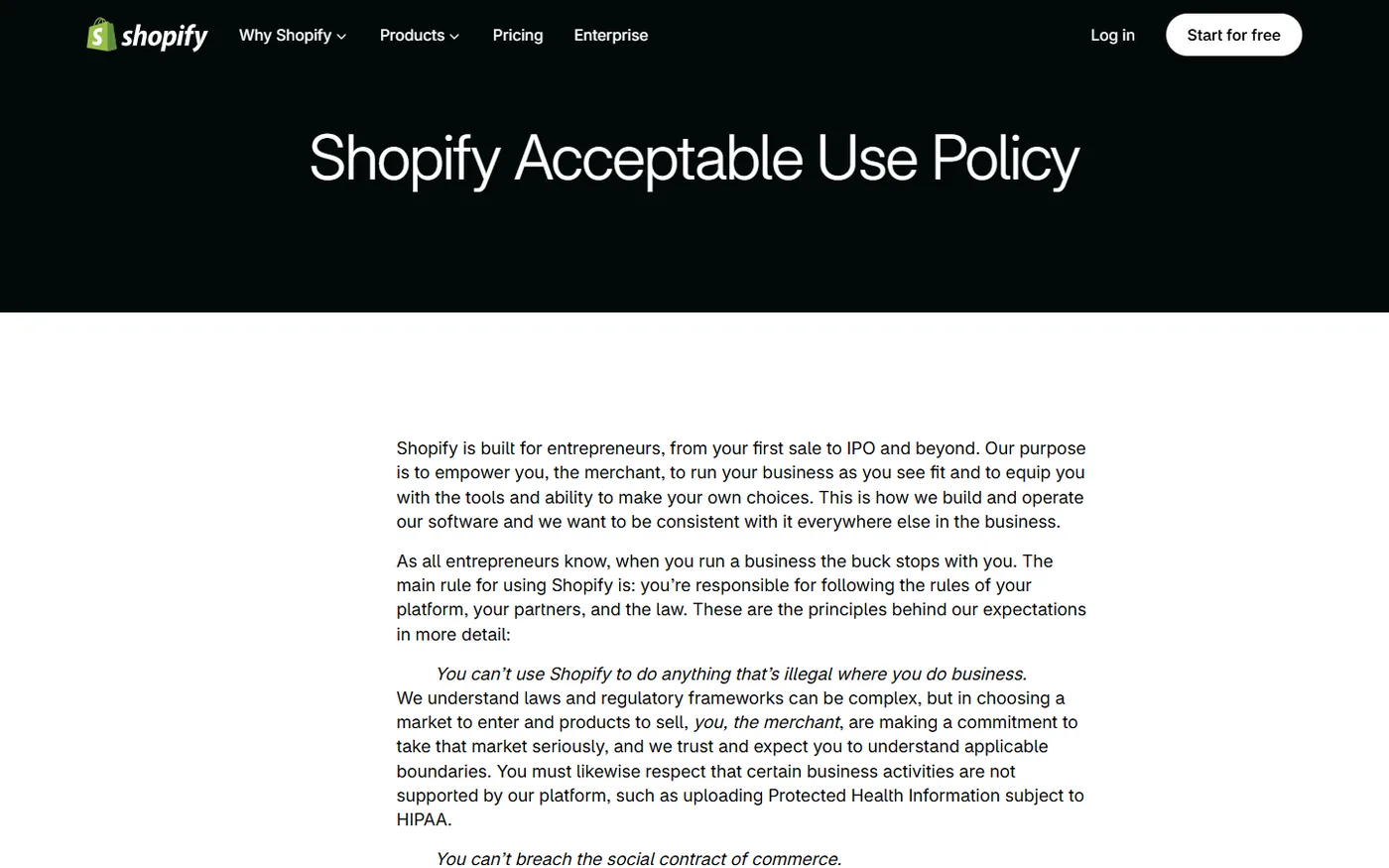
Some sellers try to get around this with "inspired by", "1:1", "mirror quality" or "dupe" wording. That doesn't make it legal. Using a brand's name, logo, monogram pattern or a confusingly similar design to sell goods is trademark infringement in the US, UK and EU, and most ecommerce platforms ban it outright. Shopify's Acceptable Use Policy prohibits selling counterfeit goods and goods that infringe someone else's intellectual property, and payment processors apply similar rules.
There's a narrower legal question about reselling genuine goods. In the US, the "first sale" principle generally lets you resell a genuine branded item you bought. But courts make exceptions when your goods differ materially from the brand's authorized products, such as missing the manufacturer's warranty or being made for another market. A 2025 Mayer Brown briefing on grey-market goods walks through those exceptions. For a dropshipper, the practical takeaway is simple: only sell designer names when the supplier can document where the stock came from. Our guide on whether it's legal to resell items covers the basics.
The counterfeit problem, in numbers
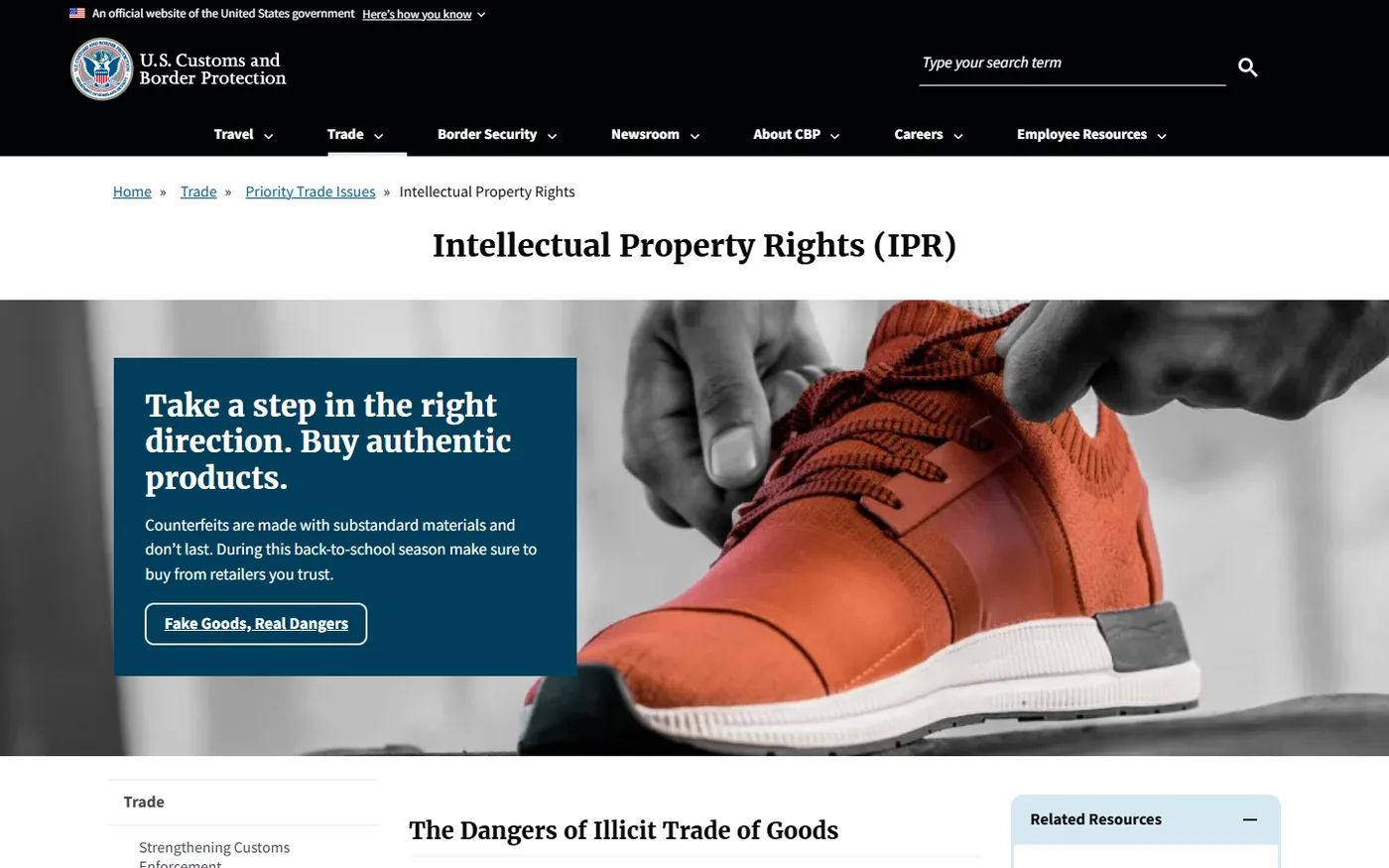
Luxury is the most counterfeited corner of ecommerce, and customs data shows it clearly. In fiscal year 2024, US Customs and Border Protection seized goods it valued at over $5.42 billion in estimated MSRP, close to 33 million items. Handbags and wallets were the largest category by count, with 5,132,402 items, about 15.8% of all IPR seizures. By value, jewelry and watches lead the table.
Those are the same three categories most people want to sell in a luxury dropshipping store. That's not a reason to avoid them; it's a reason to source them carefully. Here's what happens when a store sells replicas, even unknowingly:
- Customs seizes the parcel. Your customer never gets the order, you refund them, and the supplier rarely compensates you.
- The brand files a takedown. Rights owners monitor marketplaces, ads and Shopify stores. A complaint can get listings removed and stores suspended.
- Your payment account is frozen. Processors hold funds when they see IP complaints or chargebacks tied to counterfeit goods.
- You face legal claims. Brands do sue small sellers, and statutory damages for counterfeit trademarks in the US can be far larger than anything the store earned.
Luxury products to dropship (legally) in 2026
The best luxury products to dropship share four traits: real materials you can describe precisely, low return risk, small parcels, and a price point where a $25 to $40 ad cost still leaves profit. The table below lists categories that meet those tests, with typical retail ranges you'll see on independent premium stores. Treat them as starting points, not promises.
| Category | Example products | Typical retail range | What makes it premium | Watch out for |
|---|---|---|---|---|
| Fine and demi-fine jewelry | Solid 925 silver rings, 14k gold-vermeil chains, freshwater pearl earrings | $45 to $180 | Hallmarked metal, stated plating thickness, gift box | "Gold" claims without karat or plating details |
| Watches (unbranded or microbrand) | Automatic dress watches, mesh-strap minimalist watches | $90 to $300 | Sapphire crystal, named movement, steel case | Any design copying a famous model |
| Leather goods | Full-grain card holders, belts, weekender bags | $40 to $250 | Leather grade, stitching, hardware | "Genuine leather" used loosely; logo look-alikes |
| Silk and cashmere accessories | Mulberry silk scarves and pillowcases, cashmere-blend wraps | $35 to $150 | Momme weight, fiber percentage | Polyester sold as "silky" |
| Home decor | Hand-glazed ceramic vases, linen bedding, marble trays | $40 to $220 | Handmade finish, natural materials | Breakage on fragile items; oversized shipping |
| Beauty tools and fragrance | Gua sha sets, LED face masks, niche fragrances from authorized wholesalers | $30 to $200 | Ingredient and material transparency | Device safety claims; grey-market perfume |
| Premium gifts | Engraved leather journals, curated self-care boxes | $50 to $150 | Personalization, packaging | Lead times on custom work |
A few notes from what tends to work:
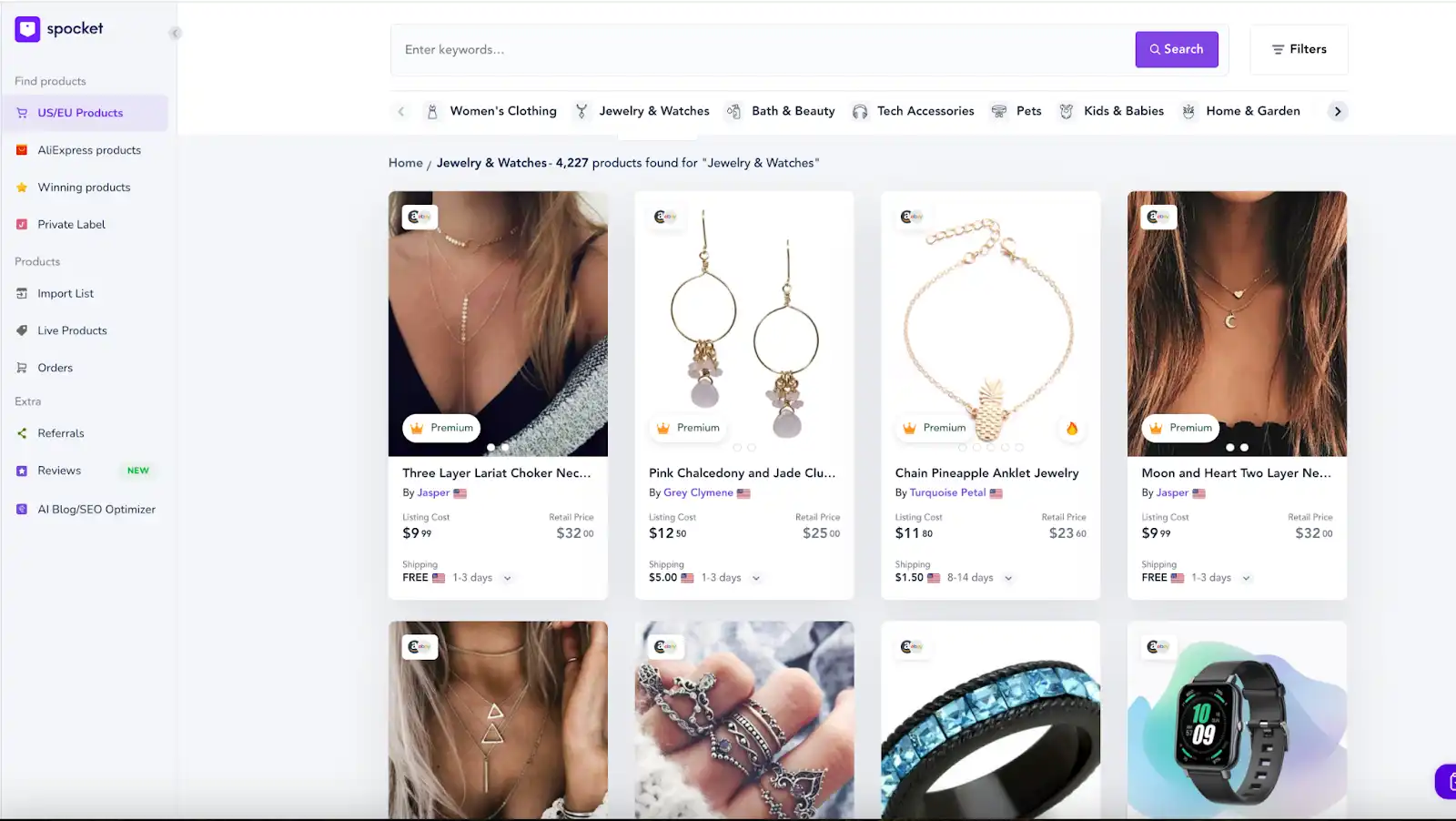
- Jewelry is the easiest entry point. It's light, rarely damaged in transit, and buyers judge it on photos and materials, so a well-shot product page carries a lot of weight. Spocket's jewelry and watches category is a good place to start comparing suppliers, costs and shipping origins.
- Leather and silk need exact specs. "Leather bag" doesn't justify $180. "Full-grain cowhide, brass hardware, 38 x 28 cm" does. If the supplier can't give you those details, don't list it at a luxury price.
- Beauty sells on trust. High-end skincare and fragrance can do well, but only from wholesalers who can show they're authorized. Our list of luxury beauty products has more product ideas in this category.
- Home decor rewards curation. Five ceramics in a consistent color palette look like a brand. Fifty random vases look like a warehouse.
Where to find legitimate luxury dropshipping suppliers
There are three supplier routes worth your time. Each suits a different kind of store.
1. Premium supplier marketplaces (unbranded goods)
Marketplaces like Spocket list products from independent suppliers, many based in the US and Europe, with product costs and shipping details visible before you import anything. You won't find Prada here, but you will find solid silver jewelry, leather accessories, natural skincare and home goods that you can sell under your own store name. This is the lowest-risk route for a new store because there's no brand to infringe.
2. Authorized designer distributors
A handful of B2B companies, such as BrandsGateway and Brands Distribution for fashion and FragranceX for fragrance, supply genuine designer goods to online retailers. Expect a subscription or wholesale account, a narrower catalog than you might hope for, and margins closer to 20% to 35% than 60%. Before you sign up, ask for invoices or a letter showing where the stock comes from, and read their rules on how you may use brand names and photos in ads. We compare these options in more depth in our guide to the best dropshipping suppliers for luxury goods.
3. Emerging designers and private label
Small designers and workshops often welcome stockists, and some will ship orders directly. You get products nobody else in your ad auctions is selling, which is the closest thing dropshipping has to real exclusivity. The trade-off is slower restocks and more relationship management. If you want full control, our guide on how to start a luxury clothing line covers the private-label route.
Supplier vetting checklist
- Order a sample of every hero product and inspect it as a customer would: weight, stitching, clasp, packaging, smell.
- Get material claims in writing (metal type and plating thickness, leather grade, silk momme).
- For any branded item, ask for proof of authorized supply and keep the documents.
- Check the supplier's processing time and shipping origin, then place a test order to your own address.
- Confirm the return address and how returns are handled, because luxury buyers return more often when an item disappoints.
- Ask whether they can ship without their own branding, or with your invoice.
Luxury dropshipping margins: a worked example
High prices don't automatically mean high profit. Ad costs rise with price because buyers take longer to decide. Here's the math on a hypothetical mulberry silk scarf, using round numbers so you can swap in your own.
| Line item | Amount |
|---|---|
| Retail price | $98.00 |
| Supplier product cost | -$28.00 |
| Supplier shipping to customer | -$6.00 |
| Card processing (example rate 2.9% + $0.30) | -$3.14 |
| Gift box and insert (bought in bulk) | -$2.50 |
| Ad cost per sale | -$35.00 |
| Allowance for returns (5% of price) | -$4.90 |
| Profit per order | $18.46 (about 19%) |
Two things move this number more than anything else. First, ad cost per sale: cut it to $25 through better creative or email and profit jumps to $28.46. Second, average order value: if 30% of buyers add a $40 matching pillowcase, the fixed costs get shared across a bigger basket. A rough rule many operators use for premium products is a retail price of at least three times the landed product cost. Below that, there isn't enough room for ads.
Plan for more working capital than a budget store needs. You'll buy samples, invest in photography and probably spend a few hundred dollars testing ads before a product proves itself.
How to start a luxury dropshipping store, step by step
- Pick a narrow angle. "Minimalist silver jewelry for men" or "linen and ceramic homeware" beats "luxury products". A narrow store looks credible faster.
- Shortlist 15 to 30 products from one or two suppliers. Fewer suppliers means more consistent quality and packaging.
- Order samples and reshoot photos. Supplier photos are used by every other store. Your own flat-lays or lifestyle shots are the cheapest way to look premium.
- Write specific product pages. Materials, dimensions, care, origin and what's in the box. Luxury buyers read details.
- Set clear policies. A readable returns page, honest delivery estimates and a real contact address matter more at $150 than at $15.
- Brand the unboxing. Branded invoices, a simple insert card and good packaging close the gap between "dropshipped" and "boutique".
- Launch with content before ads. Pinterest, Instagram and short video showing materials up close build the trust that makes paid traffic cheaper later.
- Test, then scale. Put a fixed budget behind three to five products, cut the losers after you have enough data, and reinvest in the winners.
Where Spocket fits
Spocket is useful for the first supplier route: premium, unbranded products from vetted suppliers, many of them in the US and Europe with typical shipping of 2–7 days, which you import into your store and resell under your own brand. That suits a luxury-style store for a few practical reasons. You can see product cost, retail suggestions and shipping origin before importing. Orders can be sent to suppliers automatically once you've set up fulfilment. And branded invoicing lets the paperwork in the parcel carry your store's name instead of a supplier's.
Spocket connects to Shopify, WooCommerce, Wix, BigCommerce and other platforms. Plans start at $39.99/month with a 7-day trial; see pricing for the details. If you want to browse premium suppliers before committing, you can start a Spocket trial and filter by category and shipping location.
What Spocket won't do is supply designer-label goods. If your plan depends on selling named luxury brands, you need an authorized distributor, and you should budget for their fees.
Marketing a luxury dropshipping store
Luxury buyers rarely purchase on the first visit. Your marketing has to earn trust over several touchpoints.
- Visual first. Pinterest and Instagram are natural fits for jewelry, decor and accessories. Close-up video of textures (silk drape, metal finish, leather grain) does more than any caption.
- Email from day one. Offer early access or a styling guide instead of a big discount. Heavy discounting undercuts a premium price.
- Gifting calendar. Valentine's Day, Mother's Day and the November to December gifting season are where premium accessories and jewelry sell hardest. Plan stock checks and ad budgets around them.
- Creator partnerships. Small creators with a specific style often convert better than big lifestyle accounts, and they're affordable. Send them product as well as a fee.
- Ad copy that stays clean. Never use a designer's name in ads or keywords to describe your own product. Comparisons like "Cartier-style" invite takedowns and ad account bans.
If luxury feels too narrow, compare it against other categories in our guide to the best dropshipping niches, which scores niches on demand, margin and competition.
Common luxury dropshipping mistakes
- Selling "dupes". It's the fastest way to lose a store, a payment account and an ad account at once.
- Charging luxury prices for budget products. A $9 alloy bracelet sold at $89 creates refunds and chargebacks. The product has to justify the price when it's opened.
- Using supplier photos only. Shoppers reverse-image-search premium products. Seeing the same photo on a $12 listing ends the sale.
- Vague delivery promises. Give an honest delivery window based on your test orders, and update customers if something slips.
- Too many products. A curated 25-product store reads as a boutique. A 500-product store reads as a reseller.
Is luxury dropshipping worth it?
It can be, if you treat it as a brand business instead of a product-flipping business. The upside is higher order values and customers who come back for gifts. The costs are real too: samples, photography, higher ad spend per sale and less tolerance for mistakes. Stores that do well tend to pick one tight category, source from suppliers they've tested, describe materials honestly and stay far away from anything that borrows a designer's name.
Ready to build a premium store with products you can legally sell? Try Spocket for 7 days and shortlist your first 20 products from US and EU suppliers.
Start your dropshipping business today
Luxury Dropshipping FAQs
Is luxury dropshipping legal?
Yes, as long as you sell genuine or unbranded products. Selling premium jewelry, leather goods or home decor under your own store name is legal. Selling items that use a designer's name, logo or signature pattern without authorization is trademark infringement, whether the listing says "replica", "inspired by" or "dupe". Branded goods are only safe when an authorized distributor can document where the stock came from.
Can I dropship Louis Vuitton, Gucci or Chanel?
No. These houses sell new products through their own boutiques, websites and a small group of approved retailers, and they don't offer dropshipping to independent stores. Any supplier offering new pieces from these brands at deep discounts is almost certainly selling counterfeits. If you want designer labels, look at authorized B2B distributors, and expect smaller catalogs and thinner margins.
What are the best luxury products to dropship?
Fine and demi-fine jewelry, microbrand or unbranded watches, full-grain leather accessories, silk and cashmere accessories, ceramic and linen home decor, beauty tools and premium gift sets. They share real materials you can describe precisely, small parcels and a price point that leaves room for ad costs. Start with one category rather than mixing all of them.
How much profit can you make dropshipping luxury products?
Per-order profit depends mostly on ad cost and product cost. In a worked example, a $98 silk scarf with $34 in product and shipping costs and a $35 ad cost per sale left about $18 profit, or roughly 19%. Lower ad costs or bigger baskets push that higher. Aim for a retail price at least three times the landed product cost.
Where do I find authorized luxury suppliers?
For unbranded premium goods, use supplier marketplaces such as Spocket that show product costs and shipping origins up front. For genuine designer stock, look at authorized distributors such as BrandsGateway, Brands Distribution or FragranceX, and ask for documentation before signing up. Emerging designers and private-label workshops are a third option if you want products nobody else sells.
Is it legal to sell "luxury-inspired" products?
Products with a general premium look are fine. The problem starts when a product copies a protected design, logo, monogram or distinctive pattern, or when your listing uses a brand's name to describe it. "Cartier-style bracelet" in an ad or product title invites takedowns and account bans. Describe your products by their materials and design, never by someone else's brand.
How much money do I need to start a luxury dropshipping store?
More than a budget store. Add up samples, photography, your store platform and supplier subscriptions, packaging inserts and an ad test budget. For example, five samples at $35, $300 of packaging and photo props, and $150 of ad testing for each of those five products already comes to $1,225 before monthly software costs. Shooting your own content keeps it lower.


Launch your dropshipping business now!
Start free trial


Related blogs
Dropshipping Supplier Directory: Where to Find Vetted Suppliers
Browse our directory of vetted dropshipping suppliers across the US and EU, complete with niches, shipping speed, and pricing. Start your free trial today.

How to Negotiate With Dropshipping Suppliers: 9 Tactics That Actually Work
Learn how to negotiate with dropshipping suppliers on price, MOQs, and payment terms. Proven tactics and email scripts to boost your margins. Try Spocket free.
Is AliExpress Legit? A Safety Check for Buyers and Dropshippers
Is AliExpress legit? Yes, but sellers vary. See how Buyer Protection works, what the EU's 2026 fine means, customs costs, and whether it's safe for dropshipping.