


Organic Pet Food Dropship: The Complete Guide to Building a Profitable Pet Nutrition Store
Learn how to start organic pet food dropshipping with product picks, supplier checks, labeling basics, shipping tips, and marketing strategies for repeat sales.
.avif)

The global pet industry has evolved far beyond basic kibble and chew toys. Today’s pet owners read ingredient labels, compare sourcing standards, and actively search for cleaner, healthier options for their dogs and cats. As a result, organic and natural pet food has become one of the fastest-growing segments in the pet market.
For ecommerce entrepreneurs, this creates a powerful opportunity. An organic pet food dropship business combines premium positioning, recurring revenue, and strong emotional buying behavior. When done correctly, it can generate consistent repeat sales and build long-term brand loyalty.
However, pet food is not a casual category. Unlike apparel or gadgets, you are selling a consumable product that animals ingest daily. That means sourcing, labeling accuracy, supplier reliability, and customer communication are critical.
This comprehensive guide will walk you through everything you need to know to build and scale a successful organic pet food dropshipping business responsibly and profitably.
.avif)
Why Organic Pet Food Is a Strong Long-Term Dropshipping Niche
Organic pet food sits at the intersection of two massive consumer trends:
- Humanization of pets
- Clean-label and ingredient transparency
Modern pet parents treat pets like family members. They are increasingly concerned about:
- Artificial preservatives
- Fillers and by-products
- Unknown sourcing
- Food sensitivities
- Long-term health outcomes
At the same time, the broader consumer market is shifting toward organic, natural, and minimally processed products. These values extend directly into pet purchasing decisions.
From a business perspective, organic pet food offers several advantages:
Recurring Purchase Behavior
Unlike one-time novelty items, pet food is consumed daily. This creates predictable reorder cycles. If a dog finishes a 20 lb bag every 4–6 weeks, that becomes recurring revenue.
Higher Average Order Value
Organic products typically command premium pricing. Bundles that include treats or toppers can further increase cart value.
Strong Brand Loyalty
Once a pet tolerates and enjoys a specific food, owners hesitate to switch. That stability improves customer lifetime value.
Subscription Potential
Pet food is ideal for subscription models, reorder reminders, and loyalty incentives.
When structured correctly, an organic pet food dropship store can become a retention-driven business rather than a constant product-testing treadmill.
Understanding “Organic” in Pet Food
Before you start listing products in your organic pet food dropship store, you need to understand what the word “organic” actually implies — both legally and from a consumer trust perspective.
Pet food labeling in the United States is primarily regulated at the state level, often following model regulations developed by AAFCO (Association of American Feed Control Officials). In addition, the FDA oversees certain aspects of animal food safety and labeling. While you are not manufacturing the product yourself, you are responsible for how it is presented and marketed in your store.
Here’s what that means in practical terms:
“Organic” Claims Must Be Accurate and Supported
You cannot casually label a product as “organic” just because it sounds premium. The product must meet the applicable standards and be labeled appropriately by the manufacturer. If your supplier cannot clearly substantiate the organic claim, you should not use it in your marketing.
Avoid Medical or Disease Claims
Pet food is not a drug. You cannot claim that it treats, cures, or prevents diseases (e.g., “cures allergies,” “eliminates arthritis,” “prevents cancer”). Even implied medical promises can create legal risk and customer disputes.
Keep messaging focused on nutritional quality, ingredient transparency, and general wellness support — not medical outcomes.
Ingredient Transparency Is Essential
Proper labeling typically includes:
- Full ingredient list
- Net weight
- Feeding instructions
- Manufacturer or responsible party details
If your product page lacks these basics, customers may lose trust — and regulators may raise concerns.
Best Organic Pet Food Products to Start With
When launching your organic pet food dropship business, start with manageable, lower-risk categories.
1. Organic Dry Dog Food (Kibble)
Dry food is the most operationally stable entry point. Benefits:
- Long shelf life
- Easier shipping
- Lower spoilage risk
- Familiar to customers
Positioning tips:
- Clearly state life stage suitability
- Highlight ingredient transparency
- Include feeding chart details
Avoid medical-style claims like “treats allergies.” Keep messaging focused on clean ingredients and balanced nutrition.
2. Organic Dog Treats
Treats are ideal for increasing average order value. Why they work:
- Low price point
- Easy add-on
- Great for training themes
- Giftable
Position as:
- Limited-ingredient snacks
- No artificial additives (only if verified)
- Soft training bites
Treats also help test demand before scaling larger food SKUs.
3. Organic Cat Food
Cats are selective eaters, so clarity is crucial. Best practices:
- Clearly specify flavor
- Provide portion guidance
- Mention texture (pâté, chunks, dry kibble)
Cat owners value detailed descriptions to avoid trial-and-error purchases.
4. Organic Meal Toppers
Toppers are lightweight and profitable. Why they convert:
- Upgrade existing food
- Appeal to picky eaters
- Create perceived customization
They are also excellent cross-sell items on product pages.
5. Organic Supplements (Advanced Stage Only)
Supplements can be profitable but require compliance caution. Never:
- Promise cures
- Imply medical treatment
- Exaggerate performance
If selling supplements, use conservative language and ensure labeling documentation is complete.
What to Avoid Early On
When starting an organic pet food dropship business, it’s tempting to list trending or high-margin products right away. However, certain product types introduce operational, compliance, and customer service risks that can overwhelm a new store. Early-stage success depends on stability and predictability — not complexity.
Here’s what to avoid at the beginning and why.
Raw or Frozen Pet Food
Raw and frozen pet food may be popular, but they require cold-chain logistics. That means temperature-controlled storage and shipping. As a dropshipper, you typically do not control warehousing conditions directly, which increases the risk of spoilage during transit.
If a product arrives thawed or compromised, refunds are almost guaranteed. Additionally, complaints in this category can escalate quickly because pet safety is involved. For beginners, this level of logistical risk is unnecessary.
Extremely Heavy Bulk Bags
Large bulk bags may offer attractive margins, but they create higher shipping costs, potential damage in transit, and more expensive return scenarios. Heavy packages are more likely to tear, leak, or incur additional carrier handling fees.
Starting with smaller, lighter SKUs reduces financial exposure and improves fulfillment reliability.
Aggressive “Miracle Health” Claims
Products marketed with exaggerated promises like “cures allergies” or “eliminates joint pain instantly” can create legal and reputational risk. In pet nutrition, disease-treatment claims are heavily scrutinized. Overpromising results often leads to dissatisfied customers, refund demands, and chargebacks.
Stick to clear, accurate, and conservative benefit descriptions.
Suppliers With Unclear Ingredient Sourcing
If a supplier cannot clearly explain ingredient sourcing, manufacturing standards, or labeling documentation, that’s a red flag. Transparency is essential in organic pet food. Lack of documentation increases the risk of disputes, compliance issues, and damaged trust.
The Smart Approach
Start with stable, shelf-stable products that are easy to ship, clearly labeled, and well-documented. Build operational confidence, collect positive reviews, and streamline fulfillment before expanding into more complex categories.
Growth in pet food should be methodical. Stability first — expansion second.
Supplier Evaluation Checklist
Supplier quality determines your reputation. Before listing any product, confirm:
- Ingredient transparency
- Clear label images
- Expiration date standards
- Strong packaging
- Reliable shipping times
- Inventory consistency
Ask:
- How is packaging protected during transit?
- What happens if the bag arrives damaged?
- What is the average delivery timeframe?
Supplier reliability directly affects refund rates.
Why Reliable Fulfillment Matters
In consumables, speed and consistency influence trust. If customers experience:
- Delayed shipping
- Damaged packaging
- Stockouts
They may switch brands quickly.
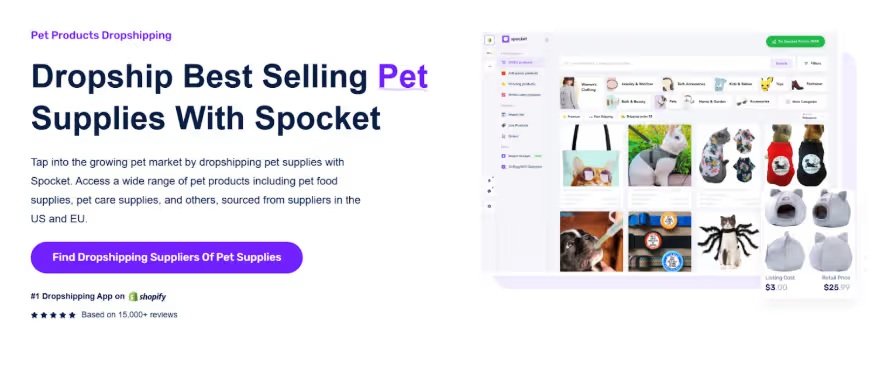
This is where Spocket becomes valuable. By sourcing from vetted suppliers through Spocket, you can reduce unpredictable shipping delays and build a more dependable catalog.
Predictability reduces customer support load and increases repeat purchases.
Pricing Strategy for Organic Pet Food Dropship
Pricing organic pet food correctly is critical because this niche sits in the premium category. Pet owners are often willing to pay more for cleaner ingredients and transparent sourcing — but only if they clearly understand the value. Unlike commodity pet food, organic positioning requires education and justification.
A strong pricing strategy should reflect ingredient quality, packaging standards, supplier reliability, and shipping costs while still remaining competitive within the premium segment. Instead of competing on the lowest price, focus on value communication. Explain serving size, how long a bag typically lasts, and what makes the formula different.
Premium pricing is acceptable — if supported by clarity.
Communicate Value Clearly
Instead of simply stating “organic,” explain:
- Ingredient sourcing standards
- Life-stage suitability
- Feeding chart guidance
- How long a bag lasts
When customers understand duration, price becomes contextual.
Bundle for Higher AOV
Bundles reduce decision fatigue. Examples:
- Starter Feeding Kit
- Training Essentials Pack
- Bowl Upgrade Bundle
Bundles encourage customers to try complementary products.
Reorder Incentives
If subscriptions are not available:
- Offer multi-bag discounts
- Provide reorder reminder emails
- Offer loyalty discounts
Recurring behavior stabilizes revenue.
Marketing Strategies That Convert
Marketing organic pet food requires education and emotional storytelling. Marketing organic pet food requires a trust-first approach. Pet owners are highly protective of what they feed their animals, so aggressive sales tactics rarely work. Instead, education, transparency, and emotional connection drive conversions.
The most effective strategy is to position your products as part of a routine rather than a one-time purchase. Show how the food fits into daily feeding habits, explain ingredient benefits in simple language, and provide realistic expectations. Short-form videos demonstrating portion sizes, packaging quality, and “what’s in the bowl” content perform especially well because they build credibility.
1. Lead With the Pet Parent
Messaging should focus on:
- Clean feeding
- Responsibility
- Love and care
- Routine consistency
Avoid hype. Use clarity.
2. Use Demonstration Content
High-performing formats include:
- Feeding portion demos
- Ingredient spotlight videos
- “What’s in my dog’s bowl” reels
- Unboxing videos
- Customer pet reaction clips
Authenticity builds credibility.
3. Show Transparency Prominently
Display clearly:
- Ingredient lists
- Feeding instructions
- Shipping timelines
- Return policy
- Transparency reduces hesitation.
4. Reducing Refunds and Chargebacks
Common refund triggers:
- Delayed delivery
- Torn packaging
- Misaligned flavor expectations
Prevent issues by:
- Setting realistic shipping expectations
- Explaining packaging protection
- Offering simple damage resolution steps
Clarity prevents disputes.
Scaling Your Organic Pet Food Dropshipping Business
Once you validate top sellers:
- Expand gradually
- Introduce accessories (bowls, storage containers)
- Build email automation
- Launch loyalty programs
- Add content marketing
Scale methodically to avoid operational stress.
Compliance Awareness
Remember:
- Avoid disease-treatment claims
- Use accurate ingredient labeling
- Do not misrepresent organic status
- Keep claims cosmetic and nutritional
Responsible marketing protects long-term growth.
Final Thoughts
Launching an organic pet food dropship store is not about chasing trends. It is about building trust in a category that values transparency, quality, and reliability.
The three pillars of success are:
- Clear product information
- Reliable supplier partnerships
- Honest customer communication
When you prioritize trust over hype and focus on routine-based selling instead of random SKUs, organic pet food becomes a stable, recurring revenue stream.
If you’re ready to build a dependable pet nutrition catalog, start sourcing through Spocket. By choosing vetted suppliers and focusing on fulfillment consistency, you can reduce support issues and increase repeat purchases.
In pet nutrition, loyalty is earned — and once earned, it lasts.
Start your dropshipping business today
FAQs About Organic Pet Food Dropshipping
Is organic pet food dropshipping profitable?
Yes, organic pet food dropshipping can be highly profitable because pet food is a repeat-purchase product. Pet owners buy food regularly, which creates consistent revenue opportunities. Organic options also support premium pricing when paired with clear ingredient transparency and reliable fulfillment.
Do I need special licenses to dropship organic pet food?
As a dropshipper, you are not manufacturing the product, but you are responsible for accurate marketing and labeling representation. You must ensure that your supplier complies with applicable labeling standards and that you avoid unverified or medical-style claims in your product descriptions.
What are the best organic pet food products to start with?
Begin with shelf-stable, easy-to-ship products like organic dry kibble and organic treats. These items reduce spoilage risk and simplify fulfillment. Once operations are stable, you can expand into meal toppers or complementary pet nutrition products.
How can I reduce refunds when dropshipping pet food?
Set clear shipping expectations, display complete ingredient information, provide feeding guidance, and outline a simple damaged-package policy. Most refunds in pet food occur due to unclear expectations rather than product quality.
How do I market organic pet food effectively?
Focus on education and transparency. Highlight ingredient quality, demonstrate portion sizes, use authentic pet-owner content, and avoid exaggerated claims. Trust-building marketing converts far better than aggressive promotional messaging in the pet nutrition niche.


Launch your dropshipping business now!
Start free trial


Related blogs
Dropshipping Supplier Directory: Where to Find Vetted Suppliers
Browse our directory of vetted dropshipping suppliers across the US and EU, complete with niches, shipping speed, and pricing. Start your free trial today.


How to Negotiate With Dropshipping Suppliers: 9 Tactics That Actually Work
Learn how to negotiate with dropshipping suppliers on price, MOQs, and payment terms. Proven tactics and email scripts to boost your margins. Try Spocket free.

Best Clothing Dropshipping Suppliers: The 2026 Guide
Compare the best clothing dropshipping suppliers for 2026 — US/EU shipping speeds, pricing, and product quality — and find the right fit to launch your store.
