Plastic-Free Beauty Dropshipping
Learn how to start plastic-free beauty dropshipping with the right products, suppliers, packaging strategy, branding, and compliance tips for long-term growth.
.avif)

Beauty buyers are changing. They still want products that look good, work well, and fit their budgets, but a growing share also cares about ingredients, waste, and packaging. That shift has opened a strong opportunity for merchants who want to build a store around lower-waste, plastic-free, and eco-conscious beauty products.
For dropshippers, this matters because plastic-free beauty sits at the intersection of two powerful trends: the expansion of online beauty shopping and rising interest in sustainability-led packaging and product choices. Market research also points to continued demand for eco-friendly cosmetic packaging and strong traction in clean beauty, especially in skincare.
That does not mean you can throw a few bamboo accessories into a store and call it a brand. Plastic-free beauty dropshipping works best when the positioning is clear, the supplier standards are real, and the packaging story matches the product promise. Customers notice inconsistency fast. If a “sustainable” soap arrives wrapped in layers of plastic, trust disappears immediately.
This guide explains how plastic-free beauty dropshipping works, what products make sense, how to choose suppliers, what compliance issues to watch for, and how to build a beauty store that feels premium rather than preachy.
What Is Plastic-Free Beauty Dropshipping
Plastic-free beauty dropshipping is a model where you sell beauty and personal care products that either avoid plastic altogether or minimize plastic use across the product and packaging experience. Instead of holding inventory yourself, the supplier ships orders directly to the customer.
In beauty, “plastic-free” can apply to several layers of the offer:
- The primary container, such as bars, tins, glass jars, aluminum bottles, paper tubes, or refillable formats
- The outer packaging, including recyclable cardboard, kraft mailers, molded pulp, or compostable wraps
- The accessories around the product, like bamboo applicators, metal safety razors, reusable cotton rounds, or refill tools
- The product philosophy, which often overlaps with clean beauty, cruelty-free, vegan, natural, or low-waste positioning, though these are not identical claims
Why the niche is growing
The appeal of plastic-free beauty is not random. It sits inside a broader move toward cleaner ingredients, eco-aware packaging, and more intentional self-care. Industry and supplier sources consistently point to growing demand for natural, organic, non-toxic, and eco-friendly beauty products, especially within online retail.
A few forces are driving that growth:
- Consumers are scrutinizing ingredients and packaging more closely
- Social commerce has made beauty discovery faster and more visual
- Packaging sustainability is becoming part of the purchase decision
- Beauty products often have strong repeat-purchase potential
- Skincare and daily-use personal care formats adapt well to refillable or low-waste alternatives
What plastic-free does not mean
This is important for trust and SEO accuracy. Plastic-free does not automatically mean:
- Better formulation
- Certified organic
- Zero-waste across the full supply chain
- Compostable in every local municipality
- Free from all synthetic ingredients
If you plan to build content around this topic, clear language matters. Customers respond better to specific claims like “soap bar in paper wrap” or “aluminum refill bottle” than vague promises like “planet-friendly beauty.”
Why Plastic-Free Beauty Makes Sense for Dropshipping
Beauty has long been attractive for ecommerce because it combines visual appeal, gifting potential, repeat orders, and content-friendly storytelling. Plastic-free beauty adds a sharper point of differentiation.
Strong fit with current buyer behavior
Beauty shoppers increasingly want products that support a lifestyle, not just solve one problem. Sustainable packaging, low-waste rituals, and refill-friendly formats create a stronger emotional hook than generic beauty items.
Natural content and branding advantages
Plastic-free beauty is easy to market through:
- Before-and-after product photography
- Shelfie-style lifestyle visuals
- Ingredient stories
- “Swap this for that” education
- Sustainability-focused routines
- UGC around bathroom decluttering and low-waste habits
That gives merchants more content angles than a generic commodity beauty store.
Higher perceived value
A well-positioned eco-beauty product can often command better margins than a generic alternative if the branding is strong and the experience feels thoughtful. Tin packaging, glass formats, and curated bundles can all increase perceived value, provided the formulas and reviews support the promise.
For Spocket merchants, this niche can work especially well when you focus on suppliers with faster shipping, cleaner catalog presentation, and clearer product details.
Best Plastic-Free Beauty Products to Dropship
The safest way to build this store is to lead with formats that naturally reduce plastic rather than forcing plastic-heavy products into a sustainable story.
1. Solid skincare and cleansing bars
Bars are one of the easiest entry points into plastic-free beauty because they reduce the need for pumps, tubes, and large liquid containers.
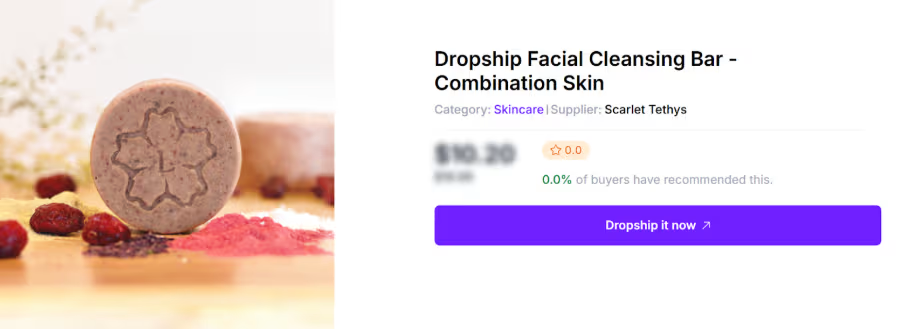
Popular options include:
- Facial cleansing bars
- Shampoo bars
- Conditioner bars
- Body wash bars
- Exfoliating bars
- Shave bars
These products also lend themselves to gift sets, travel kits, and subscription-style replenishment. Supplier trend pages continue to highlight natural skincare, organic haircare, bath products, and wellness-led beauty formats as attractive categories for online sellers.
Refillable skincare
Refillable beauty is not always fully plastic-free, but it often moves closer to lower-waste behavior and can still fit the niche when communicated honestly.
Examples include:
- Glass serum bottles with refill pouches
- Aluminum body oil containers
- Reusable cream jars with refill inserts
- Refillable deodorant cases
This model works particularly well if your brand wants a more premium, minimalist look rather than a rustic handmade one.
2. Low-waste daily essentials
These are excellent for repeat purchase and basket building:
- Natural deodorant in paper tubes
- Lip balm in cardboard push-up tubes
- Toothpaste tablets
- Mouthwash tablets
- Bamboo cotton swabs
- Reusable makeup remover pads
- Safety razors with metal handles
These products fit well in routine-based marketing because customers can imagine replacing common bathroom staples with lower-waste versions.
3. Bath and ritual products
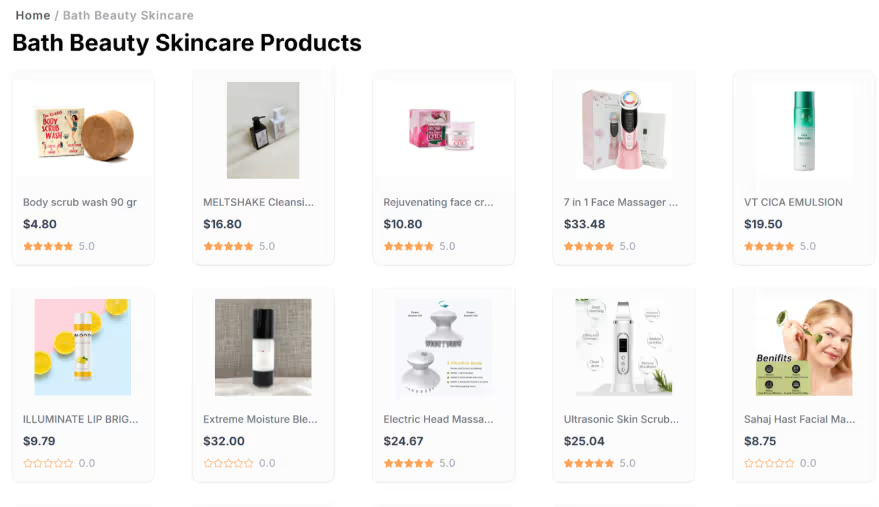
Bath products supports higher AOV and gifting:
- Bath salts in glass jars or refill pouches
- Clay masks in tins or sachets
- Essential oil rollers in glass
- Massage bars
- Body butters in aluminum tins
- Aromatherapy shower steamers
The emotional side of beauty matters here. These products sell not only on sustainability, but on ritual, calm, and self-care.
4. Eco-friendly beauty accessories
Accessories can be strong add-ons:
- Bamboo hair brushes
- Wooden combs
- Stainless steel gua sha tools
- Reusable storage tins
- Konjac sponges
- Sisal soap bags
These often produce fewer compliance headaches than topical formulations and can improve average order value.
How to Choose Plastic-Free Beauty Suppliers
Your supplier standards will shape the entire store. In this niche, a weak supplier can damage trust faster than in many other categories because customers examine both ingredients and packaging.
Start with packaging proof
Do not rely on a product title alone. Ask for or verify:
- Primary packaging materials
- Outer packaging materials
- Whether shrink wrap is used
- Whether tamper-evident seals contain plastic
- Refill or return options
- Shipping mailer details
A product can be marketed as natural while still arriving in multiple layers of plastic. That mismatch creates refunds, negative reviews, and weak repeat rates.
Check formulation transparency
Beauty customers want clarity. A supplier should provide:
- Full ingredient lists
- Directions for use
- Shelf life or PAO guidance
- Storage recommendations
- Country of origin
- Any certification details they legitimately hold
If these details are missing, your product pages will look thin and your brand will feel less credible.
Prioritize shipping reliability
Beauty is a category where presentation matters. Slow shipping, leakage, broken glass, or melted products can destroy the customer experience. For Spocket sellers, this is where curated supplier choice matters most. Favor suppliers who offer:
- Better regional fulfillment alignment
- More consistent handling
- Stronger product imagery
- Clear variant data
- Reliable packaging practices
Look for beauty-specific experience
A supplier that is strong in general merchandise is not automatically strong in beauty. Beauty requires tighter handling around storage, labeling, batch consistency, and shelf-life communication.
Vet the sustainability claims
Ask whether claims like these are documented or simply marketing language:
- Plastic-free
- Compostable
- Recyclable
- Vegan
- Cruelty-free
- Organic
- Natural
You do not need every certification under the sun, but you do need a defensible product story.
How to Build a Plastic-Free Beauty Brand, Not Just a Store
Many dropshipping stores fail because they list products without creating a real identity. In beauty, brand matters more than almost anything else.
1. Pick a tight angle
Do not try to be everything at once. Choose one focused position such as:
- Plastic-free skincare for sensitive skin
- Low-waste shower and haircare
- Refillable beauty essentials
- Travel-friendly zero-waste beauty
- Plastic-free beauty for minimalist routines
A tighter angle improves design consistency, ad creative, and SEO structure.
Create a clear brand promise
Your homepage and collection pages should quickly answer:
- What do you sell
- Who is it for
- Why is it different
- What sustainability standard do you follow
- What should the customer expect from packaging and shipping
Avoid vague hero copy. Specificity sells better.
Make the product pages do more work
Plastic-free beauty pages should not look thin. Include:
- What the product does
- What it is made from
- Why the packaging is lower waste
- Who it suits
- Texture or scent notes if relevant
- How to use it
- Storage tips
- Disposal or refill instructions
This improves trust and supports organic search.
Use honest language instead of inflated claims
Better examples:
- “Packaged in aluminum tin”
- “Paper tube format”
- “No plastic pump”
- “Reusable container”
- “Outer carton is recyclable”
Weaker examples:
- “100 percent eco”
- “Planet safe”
- “Zero impact”
- “Completely waste-free”
Customers are more likely to believe grounded claims.
2. Packaging Strategy for Plastic-Free Beauty Dropshipping
Packaging is the core of this niche. If the packaging does not align, the brand collapses.
Think in layers
Review the whole order journey:
- Product container
- Outer box or wrap
- Protective filler
- Tape and labels
- Shipping mailer
- Inserts or thank-you cards
One plastic-free hero product can still arrive in a package full of plastic tape, air pillows, and shrink wrap. That creates a trust gap.
Balance sustainability with product safety
Beauty packaging also has to protect the formula. Glass may look premium, but it increases breakage risk. Paper tubes feel sustainable, but they do not suit every climate or formula. Aluminum is durable, but not every brand aesthetic wants the same finish.
The goal is not perfection. It is a thoughtful, defensible packaging system.
Explain disposal clearly
Many customers want to do the right thing but are unsure how. Add clear instructions:
- Reuse the tin
- Rinse the jar before recycling
- Replace only the refill insert
- Compost outer box where facilities exist
This small detail improves perceived value and brand trust.
3. Compliance and Risk in Beauty Dropshipping
Beauty is not a niche where you can be casual. Even if you are not manufacturing the product, you are still responsible for what you market.
Watch regulated claims
Be careful with language around:
- Acne treatment
- Eczema relief
- Hormonal balance
- Medical-grade healing
- Anti-fungal effects
- SPF performance unless clearly substantiated
Avoid turning a cosmetic product page into a medical promise page.
Labeling matters
Product pages and delivered items should align on:
- Ingredients
- Net quantity
- Usage instructions
- Warnings if needed
- Manufacturer or responsible party information where applicable
Patch testing and sensitivity language
A safer approach is to use human, practical advice:
- Suitable for daily use
- Start with a patch test
- Discontinue use if irritation occurs
- Store in a cool, dry place
Fragrance and essential oil caution
Products with essential oils, strong actives, or exfoliants need especially careful wording. Keep it accurate, calm, and consumer-friendly.
4. Marketing Plastic-Free Beauty Dropshipping
This niche has strong content potential, but the best marketing feels useful, not self-congratulatory. Instead of selling “less plastic,” sell what the customer gains:
- A cleaner-looking bathroom
- Simpler routines
- Travel-friendly products
- Better shelf aesthetics
- More mindful shopping habits
- Giftable sustainable beauty sets
Use education as acquisition
Content ideas that work well:
- Plastic-free beauty swaps for beginners
- Best shampoo bars for oily hair
- How to build a low-waste skincare routine
- Refillable beauty products worth trying
- Bathroom essentials that reduce plastic waste
These topics bring in search traffic while supporting conversion.
Build bundles and routines
Beauty sells better in systems than in isolated SKUs. Good bundle ideas include:
- Plastic-free shower starter kit
- Low-waste travel beauty set
- Minimalist skincare routine
- Refillable self-care set
- Eco beauty gift box
Bundles help raise AOV and simplify the customer decision.
Make UGC and reviews central
Because beauty is personal, trust signals matter a lot:
- Texture shots
- Unboxing clips
- Before-and-after routine changes
- Real bathroom shelf setups
- Honest scent and usability feedback
5. SEO Strategy for a Plastic-Free Beauty Store
This niche is strong for content-led SEO because buyers search by value, format, and use case.
Core keyword themes to target
Build content around clusters such as:
- Plastic-free beauty dropshipping
- Plastic-free skincare products
- Zero-waste beauty products
- Eco-friendly beauty dropshipping
- Refillable beauty products
- Sustainable skincare store
- Plastic-free bathroom essentials
- Natural beauty products online
Support the commercial pages with informational content
Good supporting articles include:
- What plastic-free beauty actually means
- Plastic-free vs zero-waste beauty
- Best eco-friendly beauty products for beginners
- Why shampoo bars are trending
- How to choose sustainable beauty packaging
Optimize for conversions, not just rankings
Every article should naturally lead the reader toward a collection, bundle, or product type. SEO is not only about traffic volume. In beauty, relevance is more important than raw clicks.
Common Mistakes to Avoid
Plastic-free beauty sounds attractive, but there are a few ways stores get it wrong.
- Mixing too many product philosophies: A store that sells “plastic-free luxury skincare,” neon cosmetic gadgets, and generic impulse products all at once will feel messy. Curate harder.
- Overclaiming sustainability: Customers are skeptical for good reason. If you cannot prove it, do not claim it.
- Ignoring packaging reality: If the unboxing experience contradicts the brand message, reviews will expose it quickly.
- Choosing products with weak replenishment logic: Some beauty products are hard to reorder on habit. Others, like cleansing bars, deodorant, lip balm, and haircare staples, fit repeat purchase behavior much better.
- Underestimating compliance: Beauty is not a casual niche. Product copy must be careful, especially around claims and sensitive skin.
Is Plastic-Free Beauty Dropshipping Worth It
Yes, but only if you approach it as a curated brand rather than a trend chase.
The niche has real tailwinds. Beauty is growing, clean and eco-conscious categories are attracting demand, and sustainable packaging is becoming more important to consumers. Supplier marketplaces also continue to spotlight natural, organic, cruelty-free, and eco-friendly beauty as attractive ecommerce categories.
But the real opportunity is not just in being “green.” It is in building a store that feels considered, trustworthy, and easy to buy from. Plastic-free beauty works when the products, packaging, content, and customer experience all support the same promise.
For Spocket sellers, that means focusing on supplier quality over catalog size, choosing formats that naturally reduce plastic, and communicating your standards clearly. Done well, this can become more than a niche store. It can become a brand with repeat buyers, stronger margins, and a message customers actually remember.
Conclusion
Plastic-free beauty dropshipping is one of the more compelling ways to build a modern beauty store because it answers both a commercial trend and a customer value shift. People still want effective skincare, haircare, and self-care products, but more of them now care about what the item is packaged in, how it fits into their lifestyle, and whether the brand feels responsible.
That creates a real opening for merchants who are willing to be more disciplined. Instead of listing every beauty product they can find, successful sellers will focus on smart product selection, credible supplier vetting, practical packaging standards, and content that educates while it sells.
If you build it with that mindset, plastic-free beauty dropshipping can be more than a trend-driven store. It can become a distinctive ecommerce brand. And for Spocket merchants, it is a space where curated sourcing, better shipping alignment, and strong product storytelling can make a noticeable difference.
Start your dropshipping business today
FAQs about Plastic-Free Beauty Dropshipping
What is plastic-free beauty dropshipping?
Plastic-free beauty dropshipping is a business model where you sell beauty or personal care products with little to no plastic in the product packaging, while the supplier ships orders directly to customers. It often includes bars, tins, glass containers, refillable formats, and eco-friendly accessories. The niche overlaps with clean and sustainable beauty, but it should be described carefully and honestly.
Is plastic-free beauty a profitable dropshipping niche?
It can be, especially because beauty has repeat-purchase potential and sustainable positioning can raise perceived value when the branding is strong. The broader beauty market remains large, and clean or eco-conscious segments continue to attract attention across ecommerce and packaging trends. Profitability depends on supplier quality, product fit, and how well you build trust.
What are the best plastic-free beauty products to sell?
The strongest options are usually products that naturally reduce packaging waste, such as shampoo bars, cleansing bars, paper-tube deodorants, refillable skincare, reusable beauty accessories, and bath products in tins or glass. These formats make the sustainability story easier to support and are often simpler to market through routines and bundles. Supplier trend pages also point to natural skincare, organic haircare, and eco-friendly beauty essentials as high-interest categories.
How do I choose suppliers for a plastic-free beauty store?
Start by verifying packaging materials, ingredient transparency, shipping reliability, and the accuracy of sustainability claims. Ask what the item ships in, whether shrink wrap is used, and whether the supplier can document product and packaging details clearly. In this niche, consistency between the product promise and the actual delivery experience matters more than a large catalog.
Can I sell plastic-free beauty products with Spocket?
Yes. Spocket can be a good fit if you use it to build a more curated beauty catalog with stronger supplier alignment, clearer shipping expectations, and product pages that support trust. For this niche, the goal is not to list everything. It is to select products that genuinely fit a lower-waste story and deliver a better customer experience.


Launch your dropshipping business now!
Start free trial


Related blogs
Dropshipping Supplier Directory: Where to Find Vetted Suppliers
Browse our directory of vetted dropshipping suppliers across the US and EU, complete with niches, shipping speed, and pricing. Start your free trial today.

How to Negotiate With Dropshipping Suppliers: 9 Tactics That Actually Work
Learn how to negotiate with dropshipping suppliers on price, MOQs, and payment terms. Proven tactics and email scripts to boost your margins. Try Spocket free.

Best Clothing Dropshipping Suppliers: The 2026 Guide
Compare the best clothing dropshipping suppliers for 2026 — US/EU shipping speeds, pricing, and product quality — and find the right fit to launch your store.