Pinterest SEO: How to Rank Pins and Drive Traffic in 2026
Learn how to optimize Pinterest pins, boards, keywords, visuals, and landing pages to improve rankings and drive steady ecommerce traffic in 2026.
.avif)

Pinterest is more than a social platform. It works like a visual search engine where people look for ideas, products, inspiration, and solutions before making decisions. For ecommerce brands, blogs, and dropshipping stores, this makes Pinterest SEO a powerful way to attract traffic from users who are already searching with intent.
In 2026, Pinterest has become even more relevant for online sellers because it connects discovery with shopping behavior. Pinterest describes itself as a visual search and discovery platform where users find inspiration, curate ideas, and shop products.
A product is not just a product on Pinterest. It can become part of a gift guide, outfit idea, room setup, travel checklist, beauty routine, or seasonal shopping board.
What Is Pinterest SEO?
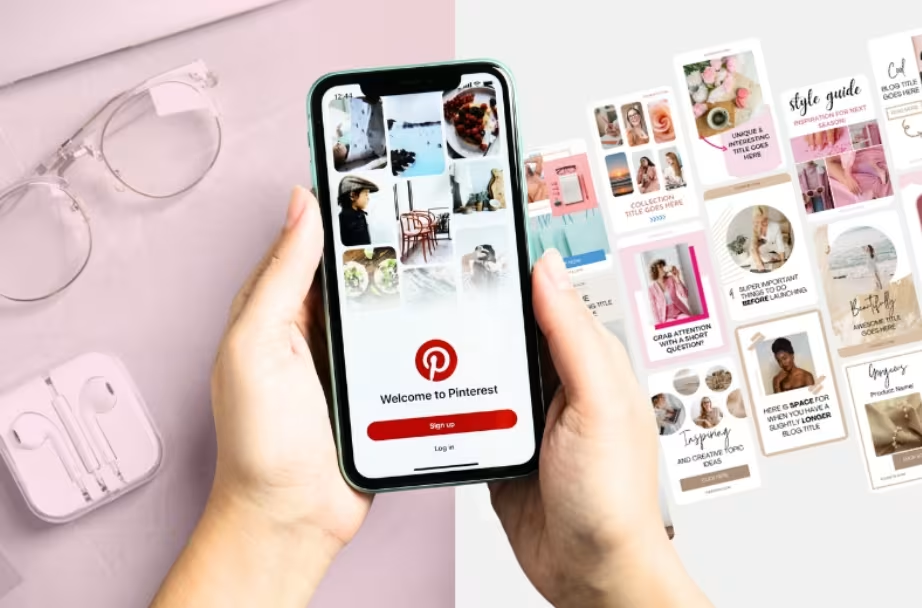
Pinterest SEO is the process of optimizing your profile, boards, pins, descriptions, visuals, and landing pages so Pinterest understands your content and shows it to the right audience. It is similar to Google SEO because keywords and relevance matter, but Pinterest is more visual.
Your pin design, image quality, text overlay, title, description, board topic, and linked page all help Pinterest understand what your content is about. If these elements work together, your pins have a better chance of appearing in search results, home feeds, related pins, and shopping-focused recommendations.
Pinterest SEO helps ecommerce sellers:
- Increase organic visibility
- Drive traffic to product pages and blogs
- Promote products without relying only on ads
- Reach users during the planning and discovery stage
- Build long-term traffic from evergreen pins
- Support seasonal campaigns and product collections
For example, instead of pinning a product with the title “Ceramic Mug,” a Spocket seller could create a pin titled “Cozy Coffee Bar Ideas for Small Kitchens.” This gives the product context and matches how Pinterest users search.
Why Pinterest SEO Matters in 2026
Pinterest users often search before they buy, plan, decorate, gift, travel, or organize. This makes Pinterest different from platforms where users mainly scroll for entertainment. On Pinterest, people often arrive with a goal.
Pinterest content can also keep working longer than typical social media posts. A well-optimized pin may continue earning impressions, saves, and clicks weeks or months after publishing. That makes Pinterest useful for sellers who want traffic that does not disappear after a few hours. Pinterest distributes content through search, home feeds, and related recommendations, using signals such as relevance, engagement, freshness, and user behavior to decide what appears.
For ecommerce sellers, this means Pinterest SEO is not only about getting views. It is about matching your products with what users are actively looking for.
How the Pinterest Algorithm Works
Pinterest ranks content by trying to understand two things: what your pin is about and who is most likely to engage with it. The algorithm uses both text-based signals and visual signals.
Your pin title, description, board name, image, text overlay, linked page, and engagement all contribute to how Pinterest categorizes and distributes your content. If users save, click, or engage with your pin, Pinterest receives a stronger signal that the content is useful.
Relevance Signals
Relevance tells Pinterest what your content means. If your pin is about “minimalist home office decor,” that phrase or close variations should appear naturally in the title, description, board, and landing page.
Strong relevance signals include:
- Keyword-rich pin titles
- Natural pin descriptions
- Clear board names
- Relevant image content
- Text overlays that match the topic
- Landing pages that match the pin promise
Avoid vague titles such as “You’ll Love This” or “Must-Have Find.” They may sound catchy, but they do not give Pinterest enough context.
Engagement Signals
Pinterest pays attention to how users interact with your pins. Saves, clicks, closeups, comments, and outbound clicks can all show that people find your content useful.
A pin with strong visuals but poor relevance may not perform well. A keyword-rich pin with a dull design may also struggle. The best results come from combining search-friendly copy with attractive, useful visuals.
Freshness Signals
Pinterest rewards fresh content. This does not mean every pin must link to a new page. A fresh pin can be a new image, new layout, new title, or new angle for an existing blog post, product page, or collection.
For example, one product collection could become multiple fresh pins:
- “Best Travel Accessories for Long Flights”
- “Carry-On Essentials for Women”
- “Smart Packing Ideas for Weekend Trips”
- “Travel Products That Make Flying Easier”
Each pin targets a slightly different search intent while sending users to a relevant page.
How to Do Pinterest Keyword Research
Pinterest keyword research helps you understand what users are searching for before you create pins. The goal is to find keywords that match your product, audience, and content angle.
Good keyword research makes your pins easier for Pinterest to classify and easier for users to discover.
Use Pinterest Search Suggestions
Start typing a broad keyword into Pinterest’s search bar and watch the suggested phrases. These suggestions can reveal how people naturally search.
For example, if your niche is home decor, you may see ideas like:
- small apartment decor
- cozy bedroom ideas
- modern wall art
- kitchen counter organization
- neutral living room decor
These phrases are often more useful than broad keywords because they show specific intent.
Focus on Long-Tail Keywords
Long-tail keywords are longer and more specific. They usually have clearer intent and may be easier to rank for than broad keywords.
Instead of targeting “pet products,” try:
- dog travel essentials
- cute pet accessories for small dogs
- products for new puppy owners
- pet organization ideas for apartments
Study Top-Ranking Pins
Search your target keyword and review the pins already ranking. Look at the wording, design style, image type, and content format.
Ask:
- Are top pins list-based?
- Do they use text overlays?
- Are they product-focused or idea-focused?
- What words appear in titles?
- What boards are ranking?
- What landing pages do they link to?
Do not copy other creators. Use the research to understand what Pinterest already sees as relevant.
How to Optimize Your Pinterest Profile
Your Pinterest profile should clearly communicate your niche. If your profile is too broad or unclear, Pinterest may struggle to understand what audience your content serves.
A focused profile can strengthen your account-level relevance and improve user trust.
Use a Keyword-Friendly Profile Name
Your profile name should include your brand name and a clear keyword when possible.
Examples:
- Brand Name | Home Decor Ideas
- Brand Name | Pet Accessories
- Brand Name | Beauty Finds
- Brand Name | Travel Essentials
This helps users and Pinterest understand your content quickly.
Write a Helpful Bio
Your bio should explain what users will find on your profile. Keep it natural, readable, and keyword-aware.
A good bio can include:
- Your niche
- Your audience
- The type of ideas you share
- A simple reason to follow or click
Example:
“Discover practical home organization ideas, space-saving products, and cozy decor inspiration for small apartments. Follow for simple ways to create a cleaner, calmer home.”
Collega il tuo sito web
Se desideri traffico da Pinterest, il tuo sito web dovrebbe essere collegato correttamente. Questo ti aiuta a monitorare le prestazioni e rafforza il legame tra i tuoi pin e il tuo dominio.
Il tuo profilo, le tue bacheche e il tuo sito web dovrebbero tutti supportare la stessa nicchia. Un focus tematico chiaro aiuta sia gli utenti che Pinterest a comprendere il tuo brand.
Come ottimizzare le bacheche di Pinterest
Le bacheche di Pinterest funzionano come cartelle tematiche, ma sono anche segnali SEO. Una strategia chiara per le bacheche aiuta Pinterest a categorizzare i tuoi contenuti.
Evita nomi di bacheche vaghi. I nomi creativi possono sembrare divertenti, ma i nomi di bacheche ricercabili di solito ottengono risultati migliori.
Usa nomi di bacheche chiari
Nomi di bacheche efficaci includono parole chiave specifiche.
Esempi:
- Idee Arredamento Piccolo Appartamento
- Configurazione Ufficio Domestico
- Accessori da Viaggio
- Idee Regalo Baby Shower
- Gadget Tecnologici Wireless
- Essenziali per Viaggi con Animali Domestici
Nomi di bacheche deboli includono:
- Cose Carine
- Scoperte da Sogno
- Cose che Amo
- Idee Casuali
Gli utenti di Pinterest non cercano frasi vaghe. Cercano idee specifiche.
Aggiungi descrizioni alle bacheche
Le descrizioni delle bacheche forniscono a Pinterest più contesto. Scrivi una breve descrizione che includa naturalmente la tua parola chiave principale e frasi correlate.
Esempio:
“Trova idee per l'arredamento di piccoli appartamenti, prodotti salvaspazio, ispirazioni per stanze accoglienti e semplici consigli di stile per case compatte.”
Mantieni le bacheche focalizzate
Non mescolare argomenti non correlati sulla stessa bacheca. Una bacheca su "essenziali per viaggi con animali domestici" non dovrebbe includere moda, ricette o prodotti per ufficio, a meno che non siano chiaramente collegati all'argomento.
Le bacheche focalizzate creano segnali di pertinenza più forti e rendono il tuo profilo più facile da sfogliare.
Come creare pin che si posizionano
Un pin che si posiziona ha bisogno sia di chiarezza nella ricerca che di attrattiva visiva. Pinterest è una piattaforma visiva, quindi il tuo pin deve catturare l'attenzione. Ma ha anche bisogno di parole chiave affinché Pinterest capisca dove posizionarlo.
Usa design verticali
I pin verticali di solito occupano più spazio nel feed e sono più facili da leggere su mobile. Usa immagini pulite, spaziature efficaci e sovrapposizioni di testo chiare.
Per i pin di e-commerce, le immagini lifestyle spesso funzionano meglio delle semplici foto di prodotti perché mostrano come il prodotto si inserisce nella vita reale.
Aggiungi sovrapposizioni di testo
Le sovrapposizioni di testo aiutano gli utenti a comprendere rapidamente il pin. Rafforzano anche l'argomento della parola chiave.
Esempi:
- “10 Idee Arredamento Camera da Letto Accogliente”
- “Migliori Accessori da Viaggio per Voli Lunghi”
- “Idee per Configurazione Scrivania Piccola”
- “Prodotti per Animali Domestici Che Rendono i Viaggi Più Facili”
- “Regali di Gioielli Minimalisti”
Mantieni le sovrapposizioni brevi e leggibili. Se gli utenti non riescono a leggere il testo su mobile, il pin potrebbe perdere clic.
Scrivi titoli di pin ricchi di parole chiave
Il tuo titolo dovrebbe includere la parola chiave principale pur suonando naturale.
Esempi:
- “Migliori Accessori per Ufficio Domestico per Scrivanie Piccole”
- “Essenziali da Viaggio per Gite nel Fine Settimana”
- “Idee per Organizzazione Bagno Piccolo”
- “Accessori Carini per Animali Domestici per Passeggiate Quotidiane”
Evita titoli clickbait che non spiegano il contenuto.
Scrivi descrizioni di pin utili
Una buona descrizione dovrebbe includere la parola chiave, spiegare il valore e dare agli utenti un motivo per cliccare.
Esempio:
“Cerchi idee per l'arredamento di piccoli appartamenti che rendano il tuo spazio accogliente e organizzato? Esplora semplici prodotti per l'organizzazione, ispirazioni per un arredamento neutro e soluzioni salvaspazio per stanze compatte.”
Non riempire di parole chiave. La SEO di Pinterest funziona meglio quando la descrizione suona naturale.
SEO di Pinterest per E-commerce e Dropshipping
Pinterest è prezioso per l'e-commerce perché le persone spesso lo usano per pianificare acquisti visivamente. Cercano prima idee, poi prodotti. Questo offre ai venditori di dropshipping l'opportunità di promuovere articoli attraverso contenuti ispirazionali.
Per i venditori Spocket , Pinterest può supportare la scoperta di prodotti senza far sembrare ogni pin una pubblicità.
Trasforma i prodotti in idee
Un pin di prodotto che dice "organizer per trucchi" è utile, ma un pin che dice "Idee per Organizzazione Piccola Toeletta" è più ricercabile e più ispiratore.
Lo stesso prodotto può essere posizionato in modi diversi:
- “Idee per Organizzazione Piano del Bagno”
- “Prodotti per la Conservazione di Bellezza per Piccoli Spazi”
- “Configurazione Toeletta Minimalista”
- “Regali per Amanti del Trucco”
Questo approccio ti aiuta a raggiungere gli utenti in diverse fasi del percorso di acquisto.
Usa raccolte di prodotti
I pin di raccolta sono ottimi per l'e-commerce perché offrono agli utenti molteplici motivi per cliccare.
Esempi:
- “10 Prodotti da Viaggio per Voli Lunghi”
- “Migliori Gadget da Cucina per Piccoli Appartamenti”
- “Accessori Carini per Cani per Nuovi Proprietari di Cuccioli”
- “Essenziali per l'Ufficio Domestico per Lavoratori Remoti”
- “Idee Regalo per la Cura di Sé per Donne”
Questi pin possono collegarsi a post di blog, pagine di collezione o pagine di prodotti curati.
Abbina i pin alle landing page
La tua landing page deve mantenere ciò che il pin promette. Se il tuo pin dice "10 essenziali da viaggio", la pagina dovrebbe mostrare essenziali da viaggio, non una homepage generica.
Le buone landing page includono:
- Collezioni di prodotti
- Post di blog
- Guide ai regali
- Pagine di categoria
- Pagine di prodotti specifici
- Landing page stagionali
Questo migliora l'esperienza utente e può supportare prestazioni più solide su Pinterest nel tempo.
Come generare più traffico da Pinterest
Il posizionamento è utile, ma il traffico è l'obiettivo reale. Per ottenere più clic, i tuoi pin devono creare curiosità mostrando chiaramente il valore.
Usa chiare chiamate all'azione
Il tuo pin dovrebbe rendere ovvio il passo successivo.
Semplici CTA includono:
- “Acquista la collezione”
- “Vedi la guida completa”
- “Esplora le idee”
- “Salva per dopo”
- “Read the tips”
Avoid sounding too aggressive. Pinterest users often prefer helpful, idea-led language.
Publish Fresh Pins Consistently
You do not need to post dozens of pins every day. A realistic schedule is better than an intense plan you cannot maintain.
A simple starting routine:
- Create fresh pins several times per week
- Make multiple designs for important URLs
- Publish seasonal pins early
- Test different titles and overlays
- Review analytics monthly
Consistency helps Pinterest understand that your account is active and focused.
Use Pinterest Analytics
Pinterest Analytics shows what is working. Track impressions, saves, outbound clicks, engagement, and top-performing boards.
If a pin gets impressions but few clicks, improve the text overlay or title. If a pin gets clicks but no sales, review the landing page, product offer, pricing, or shipping details.
Common Pinterest SEO Mistakes to Avoid
Many Pinterest accounts struggle because they treat Pinterest like a regular social media feed. Pinterest needs search clarity, useful visuals, and consistent publishing.
Avoid these mistakes:
- Using vague board names
- Ignoring keyword research
- Sending every pin to your homepage
- Using unreadable text overlays
- Posting only plain product images
- Repeating the same pin too often
- Keyword stuffing descriptions
- Publishing seasonal content too late
- Linking to irrelevant landing pages
- Ignoring analytics
- Making the pin promise different from the page content
Pinterest SEO works best when your content is clear, honest, and matched to user intent.
Pinterest SEO Checklist for 2026
Before publishing a pin, review the basics. A simple checklist can help you stay consistent and avoid weak optimization.
Profile Checklist
- Use a clear profile name
- Include a niche keyword
- Write a helpful bio
- Connect your website
- Keep branding consistent
Board Checklist
- Use searchable board names
- Add keyword-rich descriptions
- Keep each board focused
- Save pins to relevant boards
- Avoid mixing unrelated topics
Pin Checklist
- Use vertical images
- Add readable text overlay
- Include the main keyword in the title
- Write a natural description
- Link to a relevant page
- Use high-quality visuals
- Create fresh designs
- Add a clear call to action
Landing Page Checklist
- Match the pin topic
- Load quickly on mobile
- Show relevant products or content
- Include clear product details
- Add trust signals
- Make the next action easy
Final Thoughts
Pinterest SEO in 2026 is about matching search intent with strong visuals and useful content. Pinterest needs to understand your pin, users need a reason to save or click, and your landing page needs to deliver what the pin promises.
For Spocket sellers, Pinterest can become a valuable traffic channel because it allows products to be promoted through inspiration. Instead of pushing products directly, you can create gift guides, product roundups, seasonal boards, room ideas, travel lists, and problem-solving content that naturally leads users to your store.
The best strategy is simple: research keywords, organize boards clearly, create fresh pins, write helpful descriptions, link to relevant pages, and track what drives outbound clicks. Over time, this can help your ecommerce store attract more qualified visitors without depending only on paid ads.
Start your dropshipping business today
Pinterest SEO FAQs for Ecommerce Traffic in 2026
What is Pinterest SEO?
Pinterest SEO is the process of optimizing your profile, boards, pins, titles, descriptions, visuals, and landing pages so Pinterest can understand your content and show it to the right users. It helps your pins appear in Pinterest search results, home feeds, related pins, and shopping-focused recommendations.
How do I rank my pins on Pinterest in 2026?
To rank pins on Pinterest in 2026, use keyword-rich titles, helpful descriptions, clear board names, vertical pin designs, readable text overlays, and relevant landing pages. Pinterest also considers engagement signals like saves, clicks, and outbound traffic, so your pins should be visually attractive and useful.
How often should I post fresh pins on Pinterest?
You do not need to post dozens of pins daily. A consistent schedule works better than irregular bulk posting. Start by creating fresh pins several times per week, test different designs and titles, and publish seasonal content early so Pinterest has time to index and distribute it.
Is Pinterest good for dropshipping stores?
Yes, Pinterest can be useful for dropshipping stores because users often search with shopping intent. For Spocket sellers, Pinterest works especially well for gift guides, product roundups, seasonal collections, home decor ideas, beauty products, pet accessories, travel essentials, and problem-solving content.
How can I get more traffic from Pinterest to my ecommerce store?
To drive more traffic, create pins around specific search intent, use clear calls to action, and link each pin to a relevant product page, collection, blog post, or gift guide. Avoid sending every pin to your homepage. The closer your landing page matches the pin promise, the better the user experience and traffic quality.


Launch your dropshipping business now!
Start free trial


Blog correlati

Alternative Ahrefs
Scopri le migliori alternative ad Ahrefs nel 2025. Confronta strumenti SEO potenti e convenienti per la ricerca di parole chiave, l'analisi dei backlink e altro per migliorare la tua strategia SEO.


10 strumenti gratuiti per aumentare il traffico del sito web
Scopri 10 strumenti gratuiti che ti aiuteranno ad aumentare il traffico del sito web. Scopri come ottimizzare la tua strategia SEO, dei contenuti e dei social media senza spendere un centesimo.

SEO per pagine di prodotto: 14 modi per aumentare il traffico web e incrementare le vendite
La SEO delle pagine di prodotto può aumentare il traffico web e aumentare le vendite, e puoi farlo senza spendere un centesimo. Fai clic qui per saperne di più ora!